

Technology
The Strategic Expansion of Edge Computing: Analyzing Axera Semiconductor’s $379 Million Initial Public Offering in the Hong Kong Capital Market
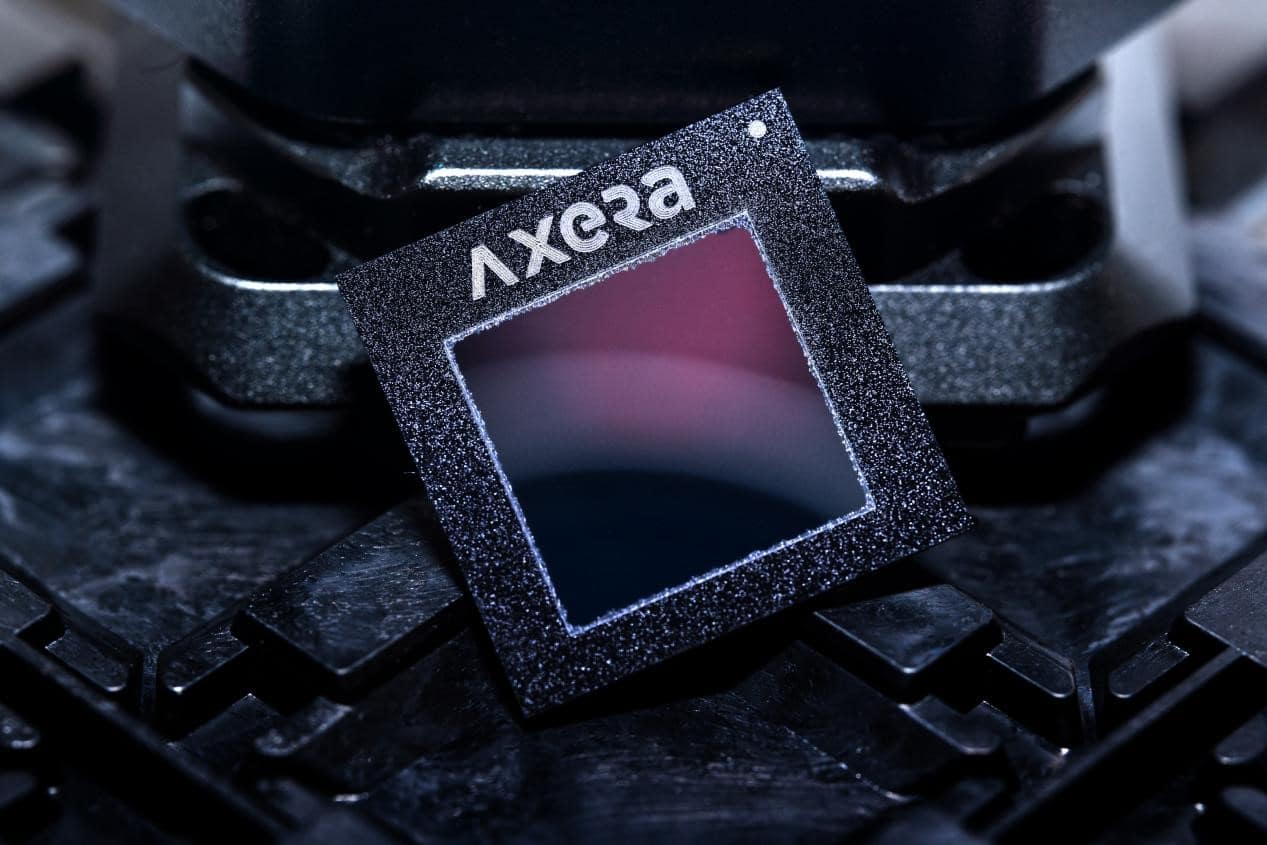
A significant milestone in the regional semiconductor landscape was documented on Friday, January 30, 2026, as it was revealed through regulatory filings that Axera Semiconductor, a prominent Chinese artificial intelligence chipmaker, is seeking to raise HK$2.96 billion—equivalent to approximately $379.2 million—through an initial public offering in Hong Kong. This capital-raising endeavor is characterized by the offering of 104.9 million shares, with a price point established at HK$28.20 per unit. The proceeds from this transaction have been earmarked for the comprehensive upgrading of the company’s technology platform, the development of next-generation product lines, and the expansion of international sales operations. Furthermore, the capital is intended to be utilized for potential equity investments, strategic acquisitions, and the fulfillment of general working capital requirements.
The institutional backing of Axera Semiconductor, formerly known as Shanghai Zhiaixin Semiconductor Technology, is underscored by the involvement of high-profile investors, including Qiming Venture Partners and the technology conglomerate Tencent. For the current offering, the company has secured commitments from notable cornerstone investors, such as JSC International Investment Fund SPC and WILL Semiconductor, a unit of OmniVision Integrated Circuits. This level of support reflects a broader trend within the Chinese technological ecosystem, where artificial intelligence and semiconductor firms are increasingly utilizing the Hong Kong exchange to fund the capital-intensive nature of advanced chip development and to broaden the commercial adoption of their proprietary architectures.
Founded in 2019, the organization operates as a fabless chip designer with a primary focus on artificial intelligence inference system-on-chips (SoCs). These processors are specifically engineered for on-device computing, edge inference, and the burgeoning smart vehicle market. It is understood that the processors developed by the firm are essential for the real-time processing of visual data within cameras and industrial equipment. This strategic focus aligns with a global shift in AI workloads, where the process of “AI inference”—the running of trained models to recognize patterns and execute decisions—is transitioning from centralized cloud servers toward localized devices. This shift is viewed as a prerequisite for the development of autonomous systems that require low-latency responses and high levels of data privacy.
According to the data provided in the prospectus, the institution was identified as the largest provider of mid-to-high-end visual on-device AI inference chips globally by shipments during the 2024 calendar year. This assessment, cited from research conducted by China Insights Industry Consultancy, highlights the firm’s significant market penetration in a sector that is increasingly critical for the automation of urban infrastructure and automotive safety. By specializing in chips that process high-resolution visual inputs with minimal power consumption, the organization has positioned itself as a key supplier for the next generation of smart city and telematics applications.
The financial performance of the firm during the initial three quarters of 2025 has demonstrated a steady increase in revenue, which rose by 5.8% to 269.0 million yuan, compared to 254.2 million yuan documented during the same period in the preceding year. However, the costs associated with the rapid scaling of semiconductor research and development have resulted in a widening net loss, which reached 855.7 million yuan for the nine-month period, up from 691.0 million yuan a year earlier. This fiscal profile is typical of high-growth technology firms in the pre-profit stage, where the pursuit of market share and technological superiority necessitates substantial upfront expenditure on human capital and intellectual property.
The timing of this initial public offering is particularly significant given the current geopolitical and regulatory climate surrounding the global semiconductor trade. As access to certain Western-designed high-end chips remains restricted, domestic Chinese manufacturers are being incentivized to accelerate the production of localized alternatives. The successful listing of Axera in Hong Kong is expected to serve as a bellwether for the appetite of international investors for Chinese-designed AI hardware. Furthermore, the move facilitates the company’s ability to engage in cross-border acquisitions, potentially allowing for the integration of foreign technologies that can enhance its edge computing ecosystem.
Ultimately, the capital infusion from the Hong Kong listing is intended to sustain the organization’s competitive advantage in the visual AI domain through the remainder of the decade. As the 2026 fiscal cycle progresses, the focus of the market will likely remain on whether the company can successfully translate its shipment volumes into a sustainable path toward profitability. The transition of AI from the cloud to the edge represents a fundamental evolution in digital architecture, and the strategic positioning of firms like Axera will dictate the pace at which autonomous vehicles and smart industrial systems become a ubiquitous reality in global markets.











Technology
The Dawn of Stargate in South Asia: Analyzing OpenAI’s Landmark Infrastructure Partnership with Tata Consultancy Services

A foundational shift in the global landscape of artificial intelligence infrastructure was documented on Saturday, February 21, 2026, as it was confirmed that OpenAI has selected Tata Consultancy Services (TCS) as its primary data center partner within the Indian subcontinent. It was articulated in a joint statement that the creator of ChatGPT will serve as the inaugural customer for the newly established data center division of TCS, initially securing a substantial 100 megawatts of power capacity. This agreement is understood to be a critical component of “Stargate,” an ambitious, multi-year initiative valued at approximately $500 billion. Backed by a consortium of major international investors, the Stargate project is designed to facilitate the construction of hyper-scale data centers dedicated to the intensive computational requirements of AI model training and real-time inference across the globe.
The finalization of this deal is perceived by market observers as a transformative victory for TCS, representing a significant validation of the strategic pivot executed by the firm in the preceding year. At that time, plans were disclosed by the Indian technology titan to commit up to $7 billion toward the development of a massive 1-gigawatt data center unit within India. By securing OpenAI as a flagship tenant, the viability of India as a hub for the next generation of global AI workloads is considered to have been firmly established. This surge in domestic capacity is occurring amidst a broader era of big-ticket infrastructure spending, characterized by the aggressive expansion of both international entities—including Google, Amazon, Meta, and Microsoft—and domestic conglomerates such as the Reliance and Adani Groups.
The collaboration between the two entities is reported to extend beyond the mere provision of physical infrastructure. In a secondary, parallel partnership, it was revealed that the parent organization, Tata Group, intends to execute a comprehensive deployment of ChatGPT Enterprise across its vast corporate network. This initiative is expected to span several years, with the initial phase involving the integration of the AI platform into the daily workflows of hundreds of thousands of employees. This large-scale adoption is intended to catalyze productivity gains across the diverse sectors in which the Tata Group operates, ranging from automotive and steel manufacturing to retail and financial services.
The strategic importance of the Indian market to the future of generative artificial intelligence was further emphasized by the disclosure that the country now accounts for more than 100 million weekly ChatGPT users. This immense user base provides a critical mass of data and engagement that is viewed as vital for the refinement of localized AI models. By establishing a physical presence in India through the TCS partnership, the latency of AI services is expected to be significantly reduced, while simultaneously ensuring that the sensitive data processing requirements of Indian enterprises are met within domestic borders. The move is seen as a pragmatic response to the evolving regulatory landscape in India, which has increasingly prioritized data localization and the sovereignty of digital infrastructure.
From a technical perspective, the 100-megawatt commitment from OpenAI is regarded as an extraordinary allocation for a single market. The specialized cooling systems and high-density power architectures required for such an installation are currently being finalized at the TCS facilities. It is anticipated that as the Stargate project progresses, the capacity utilized by OpenAI in India could expand significantly, potentially consuming a larger portion of the 1-gigawatt target set by TCS. This development is expected to foster a localized ecosystem of AI research and development, as the proximity to world-class computational power attracts global talent and fosters the growth of indigenous AI startups.
Ultimately, the 2026 agreement between OpenAI and TCS represents a pivotal moment in the institutionalization of artificial intelligence within the world’s most populous nation. The transition of India from a consumer of AI services to a primary host of the infrastructure that powers those services is now being realized. As the construction of the Stargate-linked facilities commences, the focus of the international community will likely remain on the sustainability of the energy required to power such massive installations. The ability of TCS to provide green, renewable energy for these data centers is expected to be a primary barometer for the long-term success of the partnership.
Technology
The Strategic Expansion of Semiconductor Infrastructure: Analyzing Applied Materials’ Fiscal Resurgence Amidst Global Artificial Intelligence Acceleration
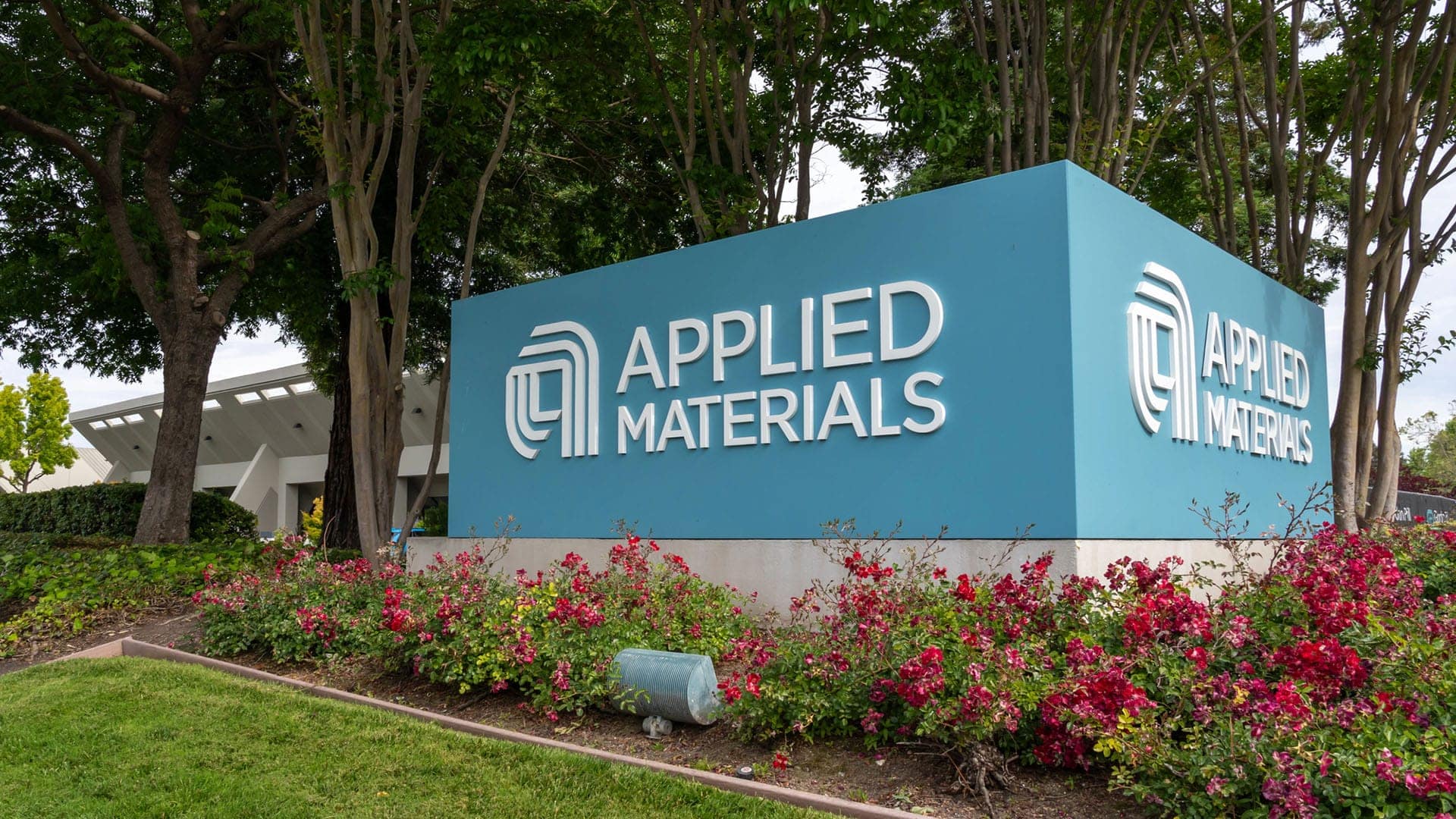
A significant appreciation in the market valuation of Applied Materials was documented on Friday, February 13, 2025, as shares of the semiconductor equipment titan escalated by 11% following the release of an exceptionally robust quarterly forecast. This surge, which positioned the Santa Clara-based corporation to add approximately $33 billion to its existing market capitalization of $260.65 billion, is understood to be driven by a confluence of soaring capital expenditure in artificial intelligence and a measurable tightening within the global memory market. As the largest manufacturer of chipmaking equipment in the United States, the company is perceived by institutional observers as a primary beneficiary of the current industrial transition toward high-performance, energy-efficient computing architectures.
The fiscal outlook presented by the organization was characterized as being “fueled by the acceleration of industry investments in AI computing,” with executive leadership noting that the complexity of modern AI workloads is necessitating a fundamental shift toward more advanced hardware. It was projected that second-quarter revenue would reach approximately $7.65 billion, a figure that exceeded the consensus estimates of market analysts by over $600 million. Furthermore, the adjusted profit was forecasted at $2.64 per share, significantly outperforming the $2.28 per share anticipated by the investment community. This optimistic guidance is viewed as a reflection of the immense demand for the specialized tools required to fabricate the next generation of semiconductors.
The current market dynamics are being shaped by the aggressive expansion of data centers by global hyperscalers and a critical shortage of high-bandwidth memory (HBM). This scarcity has compelled chipmakers to rapidly expand their manufacturing capacities, thereby driving a fresh wave of spending on wafer-fab and sophisticated packaging equipment. It has been observed by industry analysts that the demand for AI infrastructure is currently so immense that it is effectively consuming the available global supply of memory components, creating a multi-year growth runway for equipment providers. This trend was corroborated by recent data from the SEMI industry group, which forecasted that sales of wafer-fabrication equipment would rise to $126 billion in 2026 and continue an upward trajectory into 2027.
The ripple effects of Applied Materials’ performance were felt across the broader semiconductor equipment sector. The positive outlook facilitated a rise in the shares of domestic peers, with Lam Research and KLA both documenting notable gains during Friday’s trading session. Financial analysts have suggested that the industry is entering a “massive wafer fabrication equipment growth cycle” that could persist for at least the next three years. This sentiment was echoed by at least 22 brokerages, which moved to raise their price targets for the company in the wake of the earnings report, signaling a broad institutional confidence in the sustainability of AI-related capital investments.
Strategic focus is increasingly being directed toward the “packaging” phase of chip production, where Applied Materials maintains a dominant technological position. As traditional methods of performance enhancement through transistor shrinking reach physical limits, the integration of multiple chips into single, high-density packages has become essential for AI applications. The specialized equipment provided by the company is critical for this process, allowing manufacturers to achieve the thermal efficiency and data transfer speeds required for large language model training and inference. Consequently, the company’s role has shifted from being a mere supplier to becoming an essential architect of the hardware foundations upon which the digital economy is being rebuilt.
Ultimately, the 2025 narrative for the semiconductor industry is being defined by a transition from broad-based consumer electronics demand toward specialized, infrastructure-heavy AI computing. The ability of Applied Materials to navigate the complexities of a tightening supply chain while capitalizing on the scarcity of high-performance chips has positioned it as a bellwether for the technological sector. As the fiscal year progresses, the focus of the market will remain fixed on whether the projected growth cycle can withstand potential macroeconomic volatility or if the “immense” demand for AI infrastructure will continue to override traditional cyclical concerns. The current results suggest that as long as the global appetite for intelligence remains unsated, the providers of the tools used to create that intelligence will continue to experience unprecedented fiscal expansion.
Technology
KLA Projects Strong Growth as AI Demand Fuels Chip Equipment Sales

It was reported that KLA Corp projected its revenue for the first quarter to surpass Wall Street expectations, driven largely by the surging demand for processors designed to power artificial intelligence technologies. The company announced that new orders for its chipmaking equipment were anticipated to benefit from this global shift toward AI-focused semiconductor manufacturing, with executives indicating that the expansion of AI infrastructure is expected to create long-term opportunities for the firm.
The company forecast revenue of approximately $3.15 billion, plus or minus $150 million, for the quarter ending in September. This projection was stated to be higher than the $3.05 billion average estimate from analysts, according to data compiled by LSEG. It was emphasized by CEO Rick Wallace that the performance reflected KLA’s essential role in enabling the semiconductor industry to meet the demands of AI adoption, which he described as a unique and transformative opportunity for the sector.
KLA’s strong outlook was linked to key industry developments, including the expansion of U.S. chip production by Taiwan Semiconductor Manufacturing Company (TSMC), one of KLA’s most significant customers. TSMC was reported to have contributed over 10% of KLA’s total revenue during the fiscal year that ended on June 30, 2024. The chipmaker’s decision to increase its U.S. operations was seen as aligning with the policies of President Donald Trump, who has been pushing to onshore semiconductor supply chains. This move is expected to drive additional demand for KLA’s advanced equipment, which is essential for manufacturing leading-edge processors.
The company indicated that in the June quarter, demand for leading-edge logic chips, high-bandwidth memory (HBM), and advanced packaging technologies were major contributors to its sales. These complex manufacturing processes were described as being critical for the production of processors and memory components used in AI applications. Industry analysts have suggested that the AI-driven boom in chip demand is not only reshaping semiconductor manufacturing but also strengthening the competitive positioning of equipment providers such as KLA.
Despite its strong growth outlook, KLA stated that it was maintaining its original forecast for mid-single-digit growth in the wafer-fabrication-equipment market for 2025. The company’s fourth-quarter financial results further reinforced its optimistic outlook, with revenue of $3.18 billion surpassing analysts’ expectations of $3.08 billion. Adjusted profit for the same period was reported at $9.38 per share, also exceeding forecasts.
However, it was acknowledged by KLA that challenges remain, particularly in China. The company informed shareholders that it expected weaker overall demand from the Chinese market in the current year. Although China remained KLA’s largest revenue driver in the June quarter, accounting for 30% of its total sales, ongoing trade tensions between the United States and China, combined with export restrictions, were highlighted as key risks for American semiconductor equipment manufacturers.
Market reaction to the company’s results was mixed, as shares of the Milpitas, California-based company declined by approximately 1% in extended trading. This dip was attributed partly to investor concerns about the potential impact of geopolitical uncertainties on KLA’s China operations, despite its robust performance in other markets.
The company’s leadership expressed confidence that demand from other regions, particularly the United States, would offset any potential short-term weakness in China. Analysts also noted that the continued buildout of AI infrastructure globally could mitigate regional risks and support sustainable growth for the company over the coming quarters.
Industry observers have pointed out that the semiconductor sector is at a pivotal moment, with AI serving as a transformative driver of demand. KLA’s ability to outperform market expectations and maintain a solid growth trajectory despite external challenges was interpreted as a sign of its resilience and strategic positioning in a highly competitive market.
By combining strong financial results, an expanding role in advanced chip manufacturing, and a focus on capitalizing on the AI boom, KLA was described as preparing to remain a central player in the global semiconductor ecosystem. While risks tied to China and regulatory issues persist, the company’s leadership emphasized that its diversified customer base and focus on next-generation technologies would continue to support long-term growth and shareholder value.

The Dawn of Stargate in South Asia: Analyzing OpenAI’s Landmark Infrastructure Partnership with Tata Consultancy Services

Structural Inertia and Sectoral Shifts: An Analysis of South Africa’s Gradual Labor Market Recovery in the Final Quarter of 2025

The Resurgence of the American Greenback: Analyzing the Interplay of Robust Labor Dynamics and Shifting Monetary Expectations

Argentina Explores Debt Management Strategies: Potential Debt Swap and IMF Discussions on the Horizon

Apple Introduces “Tap to Pay” Feature for iPhone, Allowing Contactless Payments

Hedge Funds Capitalize on U.S. Regional Banking Stocks Plunge: Insights and Implications
-
 Banking2 years ago
Argentina Explores Debt Management Strategies: Potential Debt Swap and IMF Discussions on the Horizon
-
 Technology3 years ago
Apple Introduces “Tap to Pay” Feature for iPhone, Allowing Contactless Payments
-
 Banking2 years ago
Hedge Funds Capitalize on U.S. Regional Banking Stocks Plunge: Insights and Implications
-

 Technology2 years ago
Aviation Industry Urges Swift Action Against GPS Spoofing Amid Growing Threats
-

 Technology2 years ago
Bitcoin Weakens as Regulatory Concerns and Market Sentiment Impact Cryptocurrency Market
-

 Business2 years ago
Overcoming Financial Hurdles: TotalEnergies’ Quest for Renewable Energy in Africa
-

 Technology3 years ago
FTX denies talks of acquiring Robinhood
-

 Forex1 year ago
Navigating Risks in Bank-Fintech Partnerships: Insights from U.S. Bank Regulator