


Banking
Argentina Explores Debt Management Strategies: Potential Debt Swap and IMF Discussions on the Horizon
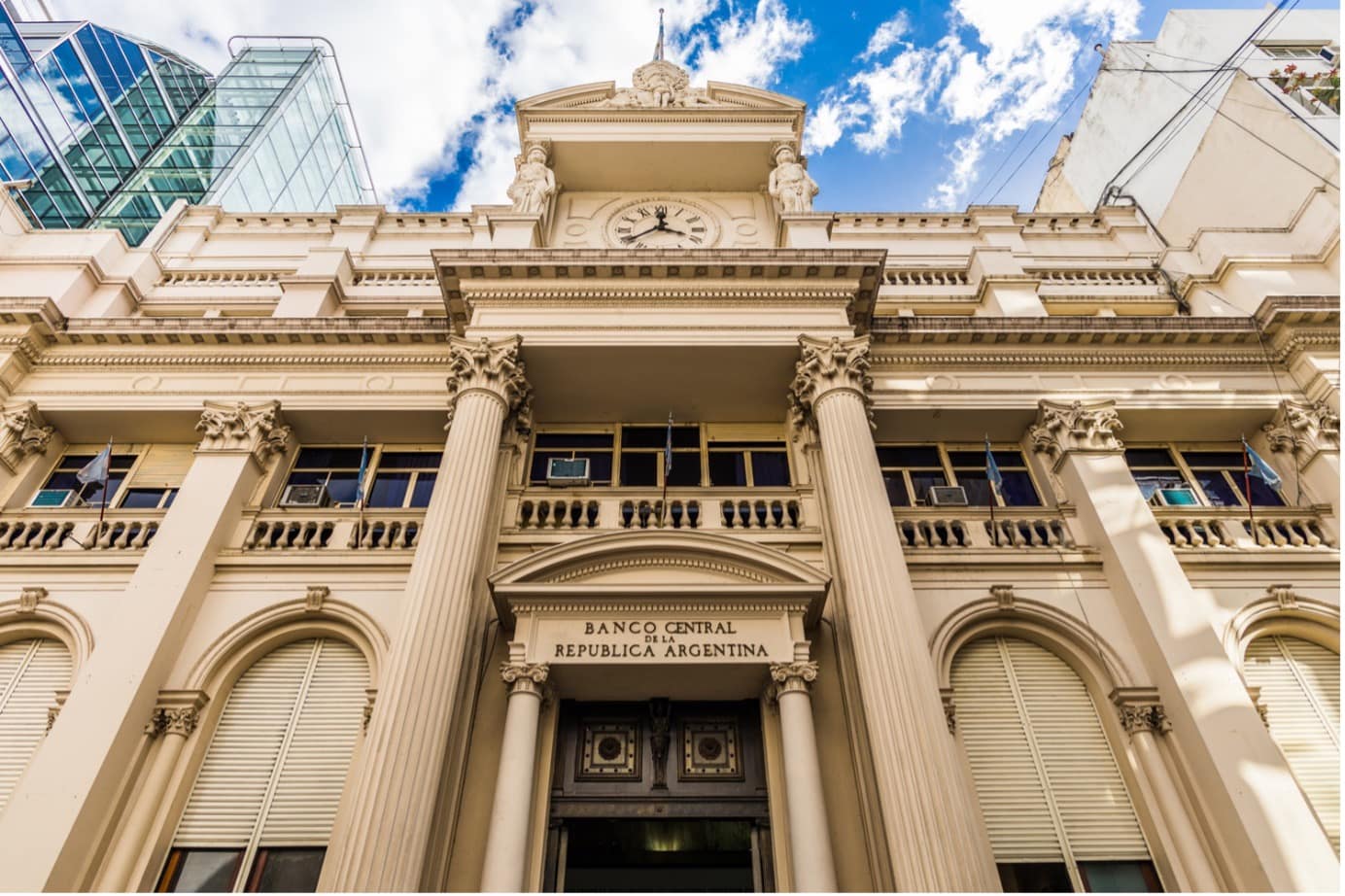
Argentina’s economic landscape has been a topic of significant discussion, with Economy Minister Luis Caputo recently holding discussions with representatives from various banks. While the primary focus was on the country’s economic program, including liability management, no official debt swap proposals have been officially presented at this point, according to a source within the Ministry of Economy.
The meeting, which took place on Thursday evening, saw government officials conveying their “intention” to explore the possibility of swapping local debt maturing in 2024 for notes with maturities ranging from 2025 to 2027. The potential scale of this debt exchange could be substantial, reaching up to the equivalent of $71 billion in pesos. However, despite the intention being voiced, specific figures for the debt management were not explicitly discussed.
A source from the Ministry of Economy emphasized that there wasn’t and isn’t a concrete proposal in place. The source clarified that the economic program had been presented, and there had been an exchange of ideas regarding liability management. The emphasis was on the meeting serving as a platform for the presentation of the economic program and the exploration of potential strategies for handling liabilities.
Earlier on the same day, reports from Bloomberg News had suggested the possibility of a debt swap involving the issuance of new peso-denominated bonds in February. These new bonds would be used to replace the maturing debts set for 2024. While the details of such a debt swap were not confirmed, the reports stirred discussions within financial circles and underscored the Argentine government’s proactive stance in addressing its financial challenges.
A third source within the banking sector shed light on the broader context of Argentina’s current economic strategies. The newly appointed government is actively exploring multiple options to address short-term external liabilities, with the proposed debt swap being part of a comprehensive economic adjustment. This adjustment plan also involves negotiations with the International Monetary Fund (IMF) and the implementation of substantial reforms aimed at stabilizing the country’s economic situation.
Argentina’s economic challenges are multifaceted, and the issue of managing external debt has been a critical aspect of the government’s agenda. The potential debt swap, if implemented, could represent a strategic move to navigate the financial complexities the country is facing. It aligns with the broader efforts to stabilize the economy and regain financial footing.
The relationship with the IMF has been a pivotal element in Argentina’s economic strategy. The country and the IMF were scheduled to commence meetings on the day following the discussions with the banks. The primary agenda was to address the delayed review of Argentina’s $44 billion program with the IMF. These discussions are crucial as they can significantly influence Argentina’s economic trajectory, shaping its ability to manage external debt effectively and implement necessary reforms.
As Argentina engages in these discussions and explores potential strategies, the global financial community is closely monitoring developments. The outcome of talks with the IMF and any subsequent decisions regarding debt management will undoubtedly have implications for Argentina’s economic stability and its positioning in the international financial landscape. The proactive engagement with banks signals a commitment to addressing economic challenges head-on, reflecting the government’s determination to navigate through a complex economic environment.








Banking
Yes Bank Reports 65% Profit Growth as Supreme Court AT1 Bond Ruling Raises Financial Uncertainty

Yes Bank reported a substantial increase in its earnings for the second quarter, although the results did not account for the potential financial consequences of a recent Supreme Court decision concerning its previously written-off additional tier-1 (AT1) bonds. The Mumbai-based lender announced on October 17, 2026, that its quarterly profit had climbed 65% to 10.80 billion Indian rupees, equivalent to approximately $114 million. However, the bank cautioned that the reported figures did not incorporate the impact of the court’s ruling, which could significantly alter its financial position.
The Supreme Court’s decision overturned the bank’s 2020 write-off of AT1 bonds valued at 84 billion rupees, or around $884 million. According to Yes Bank’s regulatory filing, recognising the consequences of the judgment would have transformed its reported quarterly profit into a loss of 52.17 billion rupees.
The judgment represents a significant development for Yes Bank, which underwent a major restructuring in 2020 after experiencing financial difficulties. The latest legal decision has reopened questions surrounding the treatment of the bonds issued before the restructuring and the potential consequences for the lender’s balance sheet.
Following the judgment, Yes Bank said it was examining the implications of the decision, including how and when it might be implemented. . Until the bank determines its next steps, the ultimate effect of the ruling on its financial statements remains uncertain.
The potential adjustment would have a considerable effect on several key balance-sheet figures. Yes Bank said its net worth could decline to 469.70 billion rupees from the previously reported 532.68 billion rupees if the court decision were reflected in its accounts. At the same time, its borrowings would increase to 861.49 billion rupees from 777.34 billion rupees.
Despite these possible changes, the bank stated that its overall capital adequacy ratio would remain unchanged at 14.5%. CET1 capital is an important measure of a bank’s ability to absorb financial losses through its highest-quality capital resources.
AT1 bonds are financial instruments that carry substantial risks for investors. They are designed to absorb losses when a bank experiences severe financial stress, either through conversion into equity or through a complete write-off, depending on the applicable terms and circumstances. Their treatment has become particularly significant in cases involving bank rescues and restructuring, where regulators and investors may disagree over how losses should be allocated.
Yes Bank was rescued in 2020 through a restructuring programme that brought in new investors to support the struggling institution. The Supreme Court’s latest decision has challenged that action, creating uncertainty over how the previous transaction will ultimately be addressed.
Japan’s Sumitomo Mitsui Banking Corporation holds a 24.99% stake in Yes Bank, giving the international banking group a substantial interest in the Indian lender. The implications of the court ruling are therefore relevant to the bank’s capital position and its broader financial outlook, although Yes Bank has not yet finalised how it will respond.
Excluding the potential impact of the AT1 bond decision, the lender’s operating performance showed improvement across several areas
The bank also recorded growth in its lending and deposit businesses. Advances expanded 23.7% compared with the corresponding period a year earlier, while deposits increased 19.5%. These figures indicate that the bank continued to expand its core banking operations during the quarter.
Income from sources other than interest also strengthened. Other income rose 14.4% to 18.82 billion rupees, contributing to the reported increase in profitability. Meanwhile, provisions for potential bad loans and other contingencies declined 24.2% to 3.17 billion rupees. Lower provisioning requirements can support earnings by reducing the amount set aside to cover possible future losses.
Asset quality improved modestly during the period. The measure represents the proportion of gross advances classified as non-performing assets and is closely monitored to assess the health of a lender’s loan portfolio.
The bank’s reported profit of 10.80 billion rupees also exceeded market expectations.
Nevertheless, the Supreme Court’s decision introduces an important qualification to the otherwise stronger operating results. Until Yes Bank completes its assessment and determines whether to pursue further legal action, the reported earnings provide only a partial picture of its financial position. The eventual treatment of the disputed AT1 bonds could materially affect its net worth, borrowings and common equity capital, making the outcome of the bank’s next steps an important consideration for investors.
Currency conversion: $1 = 94.9600 Indian rupees.
Banking
HDFC Bank Puts Forward Two Names for Next CEO as Jagdishan’s Exit Approaches

HDFC Bank has taken the next step in its leadership succession plan by forwarding the names of two candidates to the Reserve Bank of India (RBI) for the position of managing director and chief executive officer. The move comes ahead of the planned departure of Sashidhar Jagdishan, whose second term at the helm of the bank is scheduled to conclude in October.
The lender confirmed the submission on September 12 but did not identify either of the candidates. By sending the names to the central bank, HDFC Bank has officially entered the regulatory phase of its search for a new chief executive.
Jagdishan has been leading HDFC Bank since 2020 and is expected to step down when his second term ends in October. His impending exit makes the appointment of his successor an important decision for the bank as it prepares for a new phase of management.
The RBI has a statutory role in such appointments. Under India’s banking framework, private-sector lenders need the central bank’s approval before appointing a managing director or chief executive officer. As a result, the two individuals proposed by HDFC Bank will have to go through the regulator’s review before the bank can finalize its next CEO.
The lender has not disclosed which candidate it prefers or provided any details about the two people whose names were submitted. The absence of public information means the final choice remains unclear while the RBI considers the proposals.
Alongside the CEO succession process, HDFC Bank is strengthening its board. The bank has reappointed V. Srinivasa Rangan as a whole-time director. In banking, a whole-time director is a board member who holds a full-time executive role within the institution.
HDFC Bank has also appointed Jimmy Tata, who serves as its Chief Credit Officer, to the board as a whole-time director. The changes increase the representation of senior executives on the board at a time when the lender is preparing for a change in its top management.
Deputy Managing Director Kaizad Bharucha is already a whole-time director of the bank.
The lender has further decided to add another whole-time director position to its board. According to HDFC Bank, that fourth position will eventually be occupied by the new CEO after the successor has been selected and received the required approval.
The leadership transition comes after a period of significant change for HDFC Bank. In 2023, the lender completed its merger with Housing Development Finance Corporation, a major development that reshaped the structure and scale of the financial institution. The appointment of a new CEO will consequently be closely observed as the bank continues operating under the post-merger structure.
Jagdishan assumed the CEO role in 2020 after Aditya Puri, who had headed HDFC Bank for more than 20 years, stepped down. During Jagdishan’s tenure, the bank has navigated the merger with HDFC Ltd. and the organizational changes that followed the combination.
The incoming chief executive will take charge at a time when India’s banking sector is undergoing continuing changes involving regulation, digital technology and competition. The appointment will also shape HDFC Bank’s strategic direction as it enters its next period under new leadership.
For the moment, however, the identities of the two candidates remain undisclosed. The RBI’s assessment will be an essential part of the appointment process, and the final decision will determine who succeeds Jagdishan when his term comes to an end in October.
Banking
RBI Actions, Global Cues Set to Shape Rupee and Bond Markets This Week
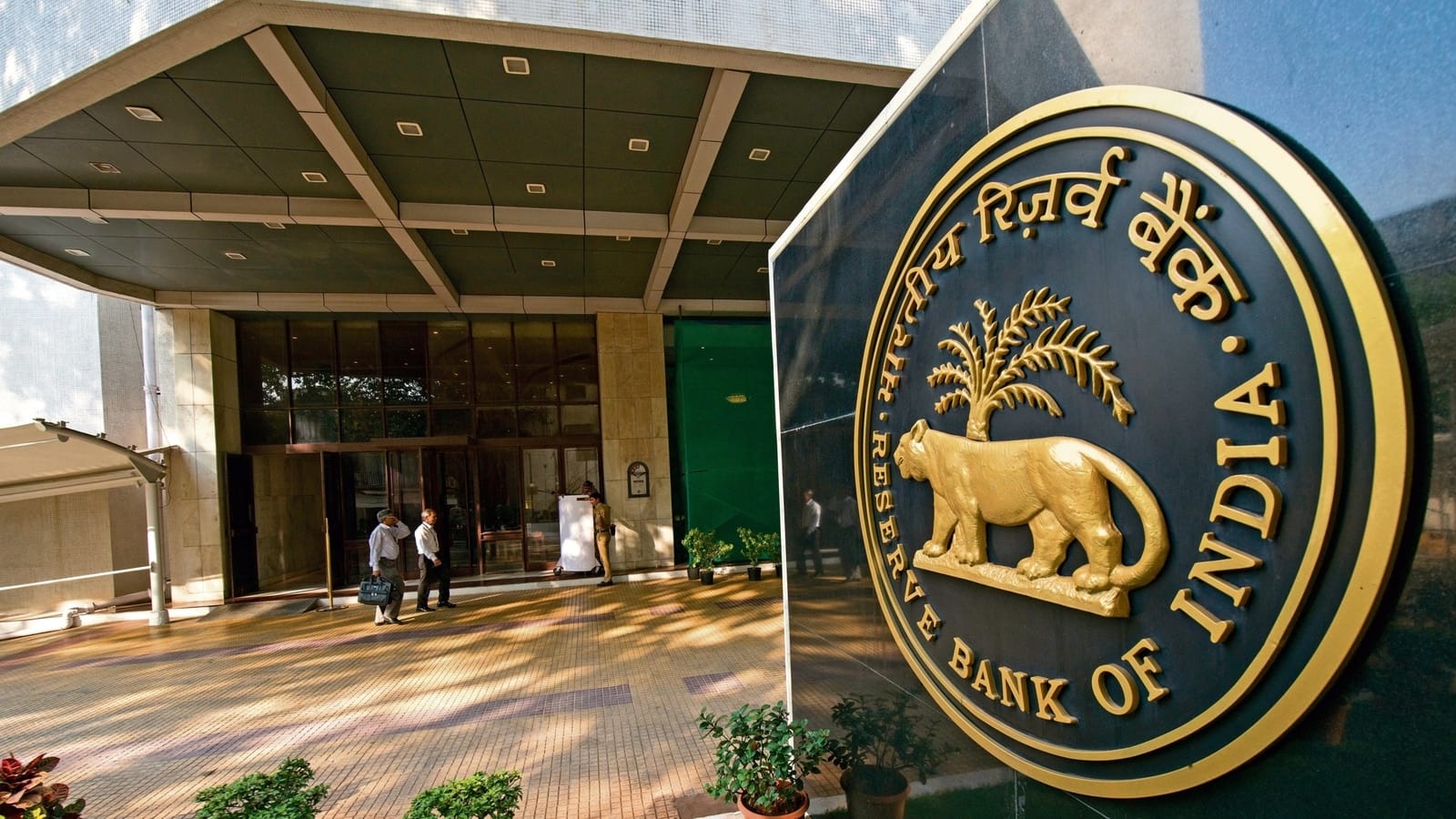
The Indian rupee and government bond markets are expected to remain closely tied to the Reserve Bank of India’s policy actions this week, with the central bank’s foreign exchange intervention and efforts to manage surplus liquidity likely to be key domestic drivers. Global developments, particularly oil prices and expectations for U.S. interest rates, are also expected to influence market sentiment.
The rupee gained 0.9% last week, reaching its strongest level in two months before ending at 94.4850 per dollar. The rise came as the RBI continued selling dollars in the market and traders anticipated that the central bank could use its larger foreign exchange reserves to provide further support to the currency.
Anil Bhansali, head of treasury at Finrex Treasury Advisors, said the RBI has become the most important factor for the rupee. He noted that the central bank had shielded the currency from unfavorable external signals during the previous week, leaving investors focused on whether that support would continue.
The rupee enters the week against a more challenging global backdrop. Expectations of a Federal Reserve rate hike at its September meeting have increased following stronger-than-expected U.S. employment figures. U.S. nonfarm payrolls increased by 162,000 last month, substantially above the 56,000 rise economists surveyed by Reuters had forecast.
Markets will now turn their attention to U.S. inflation figures. The August consumer price report is scheduled for Friday evening, only a few days before the Federal Reserve’s policy meeting. The inflation data could have an important influence on expectations for the Fed’s next policy move, with market bets currently closely balanced.
Oil prices are another major factor for both currencies and bonds. Brent crude jumped 7.8% last week to reach a six-week high. Investors are monitoring developments in tensions between the United States and Iran, particularly any escalation that could affect global oil supplies.
Bond Market Faces Pressure
Indian government bonds are expected to trade with a negative bias this week after benchmark yields increased for a third consecutive week. The 10-year government bond yield finished Friday at 6.9625%, representing a 5-basis-point increase over the week. This followed a rise of approximately 15 basis points during the preceding two weeks.
Market participants expect the benchmark yield to remain within a range of 6.90% to 7.00%. Traders are likely to watch movements in crude oil prices as well as the RBI’s measures to regulate liquidity in the financial system.
Shorter-maturity government bonds have continued to receive support as liquidity in India’s banking system climbed above 10 trillion rupees ($105.84 billion) for the first time. The unusually large surplus has strengthened expectations that the RBI will need to adopt longer-lasting measures to absorb excess cash.
As part of those efforts, the RBI is scheduled to conduct a 30-day variable-rate reverse repo auction worth 7 trillion rupees on Monday. The operation includes an early redemption option, designed to encourage banks to place surplus funds with the central bank while allowing them flexibility to withdraw those funds earlier.
The combination of higher oil prices and rising U.S. Treasury yields has weakened sentiment toward Indian government bonds. However, some international investors continue to view the country’s debt market favorably.
Matthew Kok, fixed-income portfolio manager at Eastspring Investments, said Indian government bonds remain comparatively attractive on both fundamental and valuation considerations. He pointed to stronger growth prospects, an improved currency and greater stability in bond prices, along with the removal of withholding tax, as factors that have increased the attractiveness of Indian debt relative to local-currency bonds in other regional markets.
Several U.S. economic indicators are also scheduled for release during the week. Initial weekly jobless claims for the week ending September 5 are due on Thursday, September 10, along with August producer price and manufacturing-related data. August existing home sales are also scheduled for September 10.
The main focus will come on Friday, September 11, when the August consumer price and core inflation figures are due. A Reuters poll puts inflation at 3.4%. The preliminary September University of Michigan consumer sentiment reading is also expected that day.
Together, these domestic and international developments are likely to determine the direction of the rupee and Indian bond markets as investors assess RBI intervention, liquidity conditions, oil prices and the outlook for U.S. monetary policy.

Yes Bank Reports 65% Profit Growth as Supreme Court AT1 Bond Ruling Raises Financial Uncertainty

HDFC Bank Puts Forward Two Names for Next CEO as Jagdishan’s Exit Approaches

EU Regulator Warns Markets Could Face Sudden Correction Amid Rising Risks

Argentina Explores Debt Management Strategies: Potential Debt Swap and IMF Discussions on the Horizon

Apple Introduces “Tap to Pay” Feature for iPhone, Allowing Contactless Payments

Hedge Funds Capitalize on U.S. Regional Banking Stocks Plunge: Insights and Implications
-
 Technology3 years ago
Apple Introduces “Tap to Pay” Feature for iPhone, Allowing Contactless Payments
-
 Banking2 years ago
Hedge Funds Capitalize on U.S. Regional Banking Stocks Plunge: Insights and Implications
-

 Technology3 years ago
Aviation Industry Urges Swift Action Against GPS Spoofing Amid Growing Threats
-

 Technology3 years ago
Bitcoin Weakens as Regulatory Concerns and Market Sentiment Impact Cryptocurrency Market
-

 Technology3 years ago
FTX denies talks of acquiring Robinhood
-

 Business2 years ago
Overcoming Financial Hurdles: TotalEnergies’ Quest for Renewable Energy in Africa
-

 Forex2 years ago
Navigating Risks in Bank-Fintech Partnerships: Insights from U.S. Bank Regulator
-

 Finance2 years ago
Citigroup Faces Regulatory Hurdles: Urgent Changes and Internal Oversight Challenges