Insurance
Walmart’s Strong Performance and Strategic Move: A Case Study
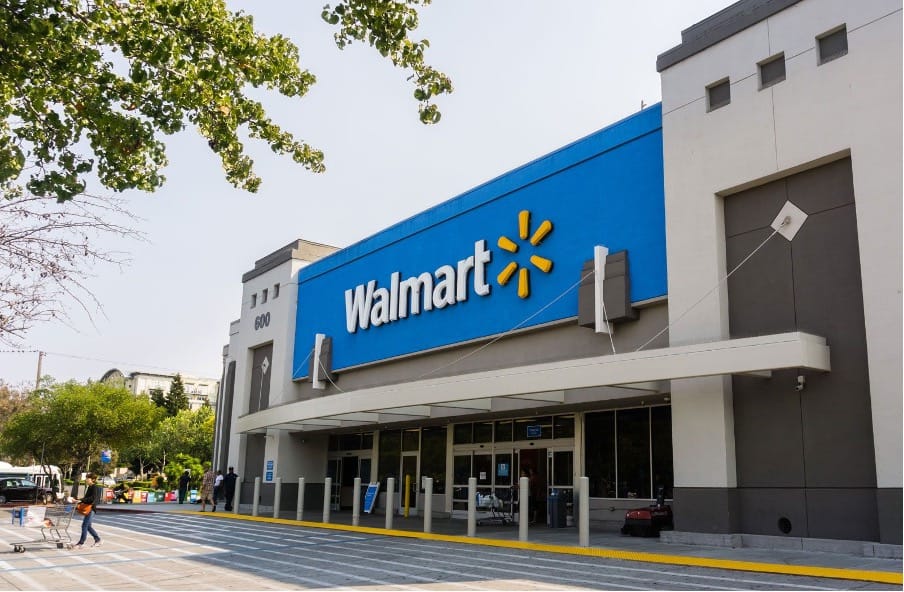
Walmart, a retail giant renowned for its expansive presence and competitive pricing, set a strong tone for the U.S. retail sector’s earnings season with its robust fourth-quarter results. The company’s shares surged to an all-time high following the announcement of its quarterly performance and strategic initiatives. In addition to its impressive financial figures, Walmart unveiled plans to acquire Vizio, a smart-TV maker, for $2.3 billion, signaling its intention to expand its reach and diversify its revenue streams.
One of Walmart’s key strengths lies in its emphasis on groceries, setting it apart from its competitors. While other retailers struggle amid slowing discretionary spending, Walmart’s focus on offering competitive prices on groceries has continued to attract shoppers, including those from higher-income households. By leveraging its size and negotiating power, Walmart has managed to keep grocery prices low, ensuring a steady stream of customers. Moreover, the company’s efforts to enhance its in-store experience, expand its online offerings, and provide convenient pickup and delivery options have contributed to its success in driving transactions and surpassing $100 billion in global e-commerce sales in 2023.
In contrast, Home Depot, another retail heavyweight, reported a decline in holiday quarter sales, citing consumers’ reluctance to undertake large-scale projects amidst rising food prices and mortgage rates. This divergence in performance underscores Walmart’s resilience and ability to adapt to changing market dynamics.
Walmart’s financial performance for the fourth quarter exceeded analysts’ expectations, with a 4% rise in total U.S. comparable sales and adjusted earnings per share of $1.80. The company also provided an upbeat sales forecast for the fiscal year ending January 31, 2025, projecting a growth rate of 3% to 4%, surpassing analysts’ estimates.
The announcement of Walmart’s intention to acquire Vizio reflects its strategic vision to capitalize on the growing digital advertising market. With Walmart Connect already generating $3 billion in annual advertising revenue, the acquisition of Vizio enhances its advertising capabilities by extending its reach into consumers’ homes through smart TVs. This move positions Walmart as a formidable competitor in the advertising space, particularly as it seeks to leverage data insights and multichannel advertising strategies to rival industry leaders like Amazon.
The proposed acquisition of Vizio at a premium of 47% to its closing price demonstrates Walmart’s confidence in the strategic value of the deal. By gaining access to Vizio’s SmartCast operating system and viewership data, Walmart aims to bolster its advertising business and drive future growth. While the deal is expected to be mildly dilutive to earnings in fiscal 2025, Walmart’s long-term strategy prioritizes diversification and innovation to secure its position as a market leader.
Overall, Walmart’s strong performance in the fourth quarter, coupled with its strategic move to acquire Vizio, reflects its commitment to driving innovation, expanding its market reach, and delivering value to shareholders. As the retail landscape continues to evolve, Walmart remains well-positioned to navigate challenges and capitalize on emerging opportunities, solidifying its status as a retail powerhouse in the global market.