Insurance
The Strategic Divestment of Schenker: Deutsche Bahn’s Path to Streamlining Operations
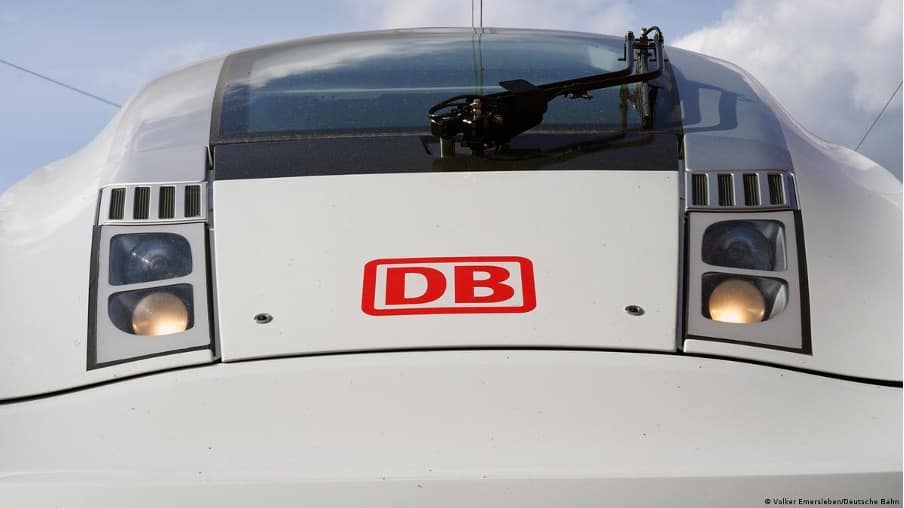
German rail operator Deutsche Bahn is gearing up for a significant move in its corporate strategy, with plans to divest its logistics subsidiary Schenker. The anticipated sale, expected to draw considerable interest from the market, aims to generate between 12 billion and 15 billion euros, contributing to Deutsche Bahn’s debt reduction efforts. According to sources familiar with the matter, at least 10 potential bidders are anticipated to vie for the acquisition, with bids expected to be submitted by the end of March.
The sale of Schenker is part of Deutsche Bahn’s broader strategy to streamline its operations and focus on its core railway business in Germany. While Schenker has been a vital profit driver for the group, with record profits of approximately 1.8 billion euros in 2022, the divestment reflects Deutsche Bahn’s commitment to addressing its substantial debt burden, which currently exceeds 30 billion euros.
Despite its financial importance to Deutsche Bahn, Schenker’s sale has attracted significant attention from both logistics rivals and financial investors. Among the parties expressing interest are prominent names such as DSV, Maersk, Blackstone, Bain, Advent, CVC, Carlyle, UPS, and Saudi Arabia’s public investment fund (PIF). The involvement of these key players underscores the attractiveness of Schenker as a strategic asset in the global logistics landscape.
Moreover, the participation of financial investors highlights the potential for Schenker to deliver substantial returns on investment, given its strong performance and promising outlook. With anticipated operating profits of 1.1 billion euros and sales reaching around 19 billion euros in the current year, Schenker presents an appealing opportunity for prospective buyers to capitalize on its robust market position and profitability.
The sale process is expected to progress swiftly, with Deutsche Bahn aiming to finalize the transaction by the second half of 2024. Following the submission of initial offers, the pool of bidders will undergo a rigorous evaluation process, leading to the selection of preferred candidates. The involvement of multiple stakeholders, including logistics companies, financial institutions, and sovereign wealth funds, underscores the widespread interest in Schenker and the potential for a competitive bidding environment.
While Deutsche Bahn seeks to divest Schenker to streamline its operations, the decision has also prompted interest from potential suitors seeking to expand their presence in the logistics sector. For instance, DSV, Maersk, and UPS view the acquisition as an opportunity to enhance their service offerings and strengthen their market positions. Additionally, the support of Saudi Arabia’s PIF for DSV’s bid highlights the strategic importance of Schenker within the global logistics ecosystem.
Despite the significant interest from potential buyers, German logistics giant DHL has opted not to participate in the bidding process, signaling a strategic decision to focus on its existing operations. While DHL’s decision may influence the dynamics of the bidding process, it underscores the diversity of strategic priorities among industry players and the varied approaches to market expansion and consolidation.
Overall, the sale of Schenker represents a pivotal moment for Deutsche Bahn and the broader logistics industry. As the divestment process unfolds, all eyes will be on the outcome of the bidding process and the implications for Deutsche Bahn’s future strategic direction, as well as the potential impact on the competitive landscape of the global logistics market.