Forex
Ugandan and Zambian Currencies Projected to Strengthen as Nigerian and Ghanaian Units Hold Steady
Currency traders have indicated that the Ugandan and Zambian currencies are expected to appreciate modestly over the coming week, while the Nigerian naira and Ghanaian cedi are likely to remain largely unchanged. These forecasts were shared as of Thursday, reflecting regional foreign exchange market dynamics and the influence of central bank actions and sectoral inflows.
In Uganda, the local shilling was quoted at 3,578/3,588 to the U.S. dollar on Thursday, maintaining a stable position compared to its closing level the previous week. Traders attributed this stability, and the potential for slight appreciation, to subdued demand for foreign currency from importers. One dealer explained that demand for hard currency from the importer side had remained flat, with no indications of a rebound in sight. According to market participants, the restrained appetite for U.S. dollars has likely stemmed from reduced consumer spending domestically, which has in turn dampened the need for imports.
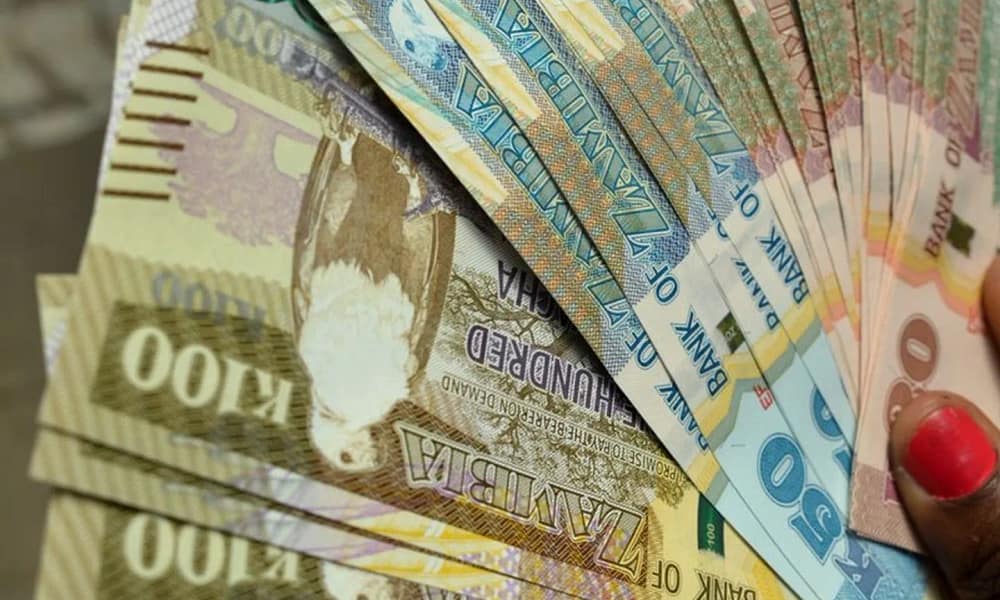
Meanwhile, in Zambia, the kwacha was expected to extend its gains from earlier in the week, supported by improved foreign currency supply. Commercial banks reported the kwacha at 23.20 per dollar on Thursday, strengthening from the 24.39 level quoted a week earlier. This appreciation was largely attributed to inflows from the mining sector, which remains a key source of foreign exchange for the Zambian economy. Traders noted that higher dollar receipts from copper and other mineral exports have improved liquidity in the market, bolstering the local currency.
In contrast, Nigeria’s naira was projected to continue trading within a narrow band in the coming days. The naira was seen at approximately 1,533 to the dollar in intraday trading on Thursday, compared to the prior week’s closing level of 1,524.50. On the parallel market, street traders were quoting the naira around 1,535 to the dollar. According to one trader, the currency was not expected to weaken significantly from current levels, due in large part to ongoing interventions by the Central Bank of Nigeria, which has continued to sell dollars to support the exchange rate and contain volatility.
The Ghanaian cedi was also forecast to remain steady in the near term, with traders citing continued central bank support as a stabilizing factor. The cedi was last observed at 10.40 to the dollar, slightly weaker than the 10.35 level recorded a week earlier. Market data suggested that central bank auctions and healthy foreign reserves — reportedly exceeding targets set by the International Monetary Fund — have helped keep the currency from slipping further. One dealer remarked that while demand for U.S. dollars has been building, central bank interventions have thus far succeeded in offsetting the upward pressure on the exchange rate.
These projections came amid broader discussions about the impact of central banks’ policies, commodity-driven inflows, and domestic economic activity on currency performance across Africa. The muted consumer demand in Uganda and the robust mining revenues in Zambia were highlighted as key differentiators shaping each country’s outlook. In Nigeria and Ghana, the role of central banks in stabilizing markets through dollar sales and reserve management continued to be underscored by traders.
These currency developments are being closely monitored by regional businesses, investors, and policymakers, as exchange rate movements influence import costs, inflation, and trade competitiveness. Analysts have noted that the interplay between supply-side factors, such as export earnings and remittances, and demand-side factors, such as import needs and speculative activity, will remain crucial in determining currency trajectories in the weeks ahead.
The cautious optimism expressed by traders regarding the Ugandan and Zambian currencies reflects a broader confidence in the ability of natural resource sectors and prudent monetary policy to support stability. At the same time, the restrained outlook on the Nigerian and Ghanaian units highlights the continued challenges posed by structural issues and external vulnerabilities in these economies.
The findings were compiled from reports by correspondents in Kampala, Lusaka, Lagos, and Accra, with editing assistance provided to ensure clarity and consistency.