Forex
The Dynamics of the Indian Rupee: Factors Influencing Exchange Rate Movements
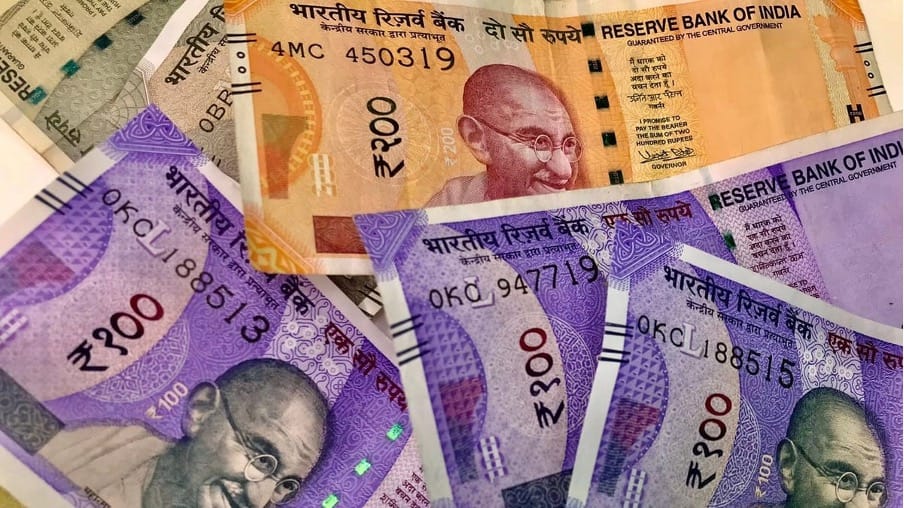
The Indian rupee’s performance against the U.S. dollar is not just a reflection of currency dynamics but also a barometer of economic conditions and global market sentiments. In recent times, the rupee has faced downward pressure against the dollar, primarily driven by increased demand from importers, particularly local oil companies. This trend underscores the significance of import demands and the impact of global commodity prices, especially oil, on currency movements.
Closing at 83.0350 against the U.S. dollar, the rupee experienced a slight depreciation of 0.1% compared to its previous session close. This decline, albeit modest, contributed to a weekly depreciation of 0.1% for the Indian currency. While seemingly small, even minor fluctuations in the exchange rate can have significant implications for various stakeholders, including businesses engaged in international trade, investors, and policymakers.
One of the key factors influencing the rupee’s performance is the dollar index, which remained relatively stable near 104.2 during the week under review. The dollar index intends to measure the value of the U.S. dollar against a basket of major currencies and serves as a crucial indicator of global currency market trends. In addition to the dollar index, the performance of other Asian currencies also plays a role in shaping investor sentiment and currency movements within the region.
However, despite the stability in the dollar index, most Asian currencies, including the rupee, experienced a downward trend during the week. This trend was primarily driven by a pullback in expectations for early interest rate cuts by the U.S. Federal Reserve. Market indicators, such as the declining odds of rate cuts in March and decreased expectations for May, contributed to a cautious outlook among investors, leading to a weaker performance of Asian currencies against the dollar.
Another significant factor impacting the rupee’s movement is the price of crude oil, a critical commodity for India’s economy, given its heavy reliance on oil imports. During the week, Brent crude oil futures surged to $81.84, marking a 3% increase amid growing concerns about escalating tensions in the Middle East. The rise in oil prices not only adds to India’s import bill but also exerts pressure on the rupee due to increased dollar demand from oil importers.
Despite these challenges, the rupee found some support from dollar sales by foreign banks, which helped limit its decline. This highlights the interplay between domestic and international factors in shaping currency movements. Additionally, foreign exchange traders anticipate the rupee to fluctuate within a specific range in the upcoming week, reflecting the prevailing market sentiment and expectations.
Investors are closely monitoring inflation data releases scheduled in both India and the U.S., with particular attention to the latter due to its potential impact on the dollar index. Economists anticipate that month-on-month core consumer price inflation in the U.S. will remain steady at 0.3% in January. Any deviations from these expectations could trigger volatility in currency markets, including the rupee-dollar exchange rate.
Overall, while various factors such as import demands, oil prices, and global economic indicators continue to influence the rupee’s performance, market sentiment remains cautious. The rupee’s movement not only reflects the state of India’s economy but also provides insights into broader trends in global currency markets. As such, market participants will continue to closely monitor developments and adjust their strategies accordingly to navigate the evolving currency landscape.