Forex
Navigating Risks in Bank-Fintech Partnerships: Insights from U.S. Bank Regulator
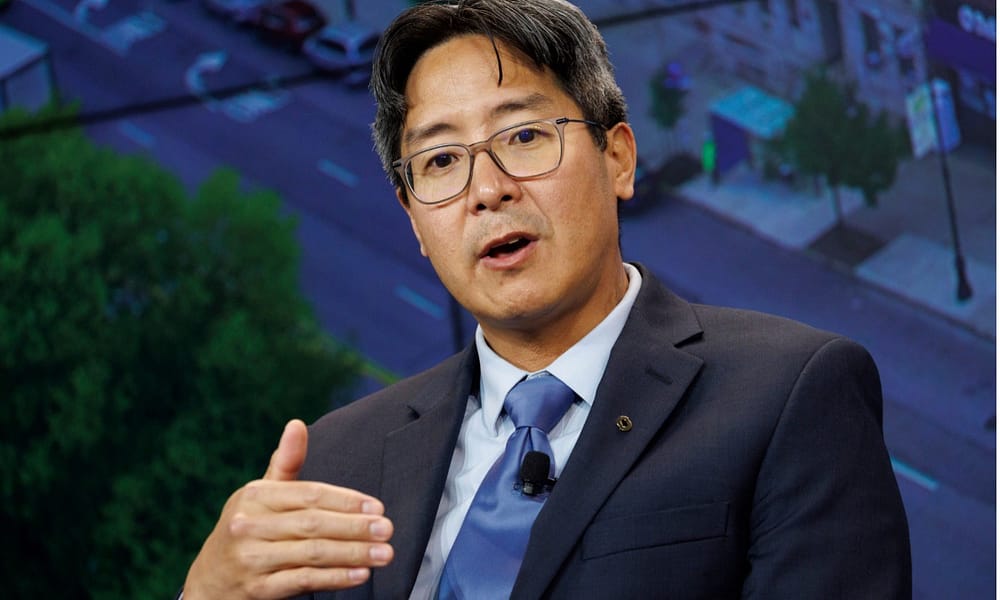
In a recent address at Vanderbilt University, Michael Hsu, the acting Comptroller of the Currency, underscored the importance of banks diligently managing risks associated with their partnerships with financial technology (fintech) companies. Hsu’s remarks reflect his ongoing concern regarding potential regulatory gaps in overseeing the payments system. He stressed the regulatory responsibility to ensure that banks effectively monitor risks arising from their relationships with third-party fintech firms.
The exponential growth of collaborations between nonbank fintech entities and traditional banks has caught Hsu’s attention. While these partnerships facilitate the provision of banking services such as checking and savings accounts to a broader customer base, Hsu is wary of the complexities that arise when multiple entities share risk-monitoring responsibilities. The diversity of incentives among these firms can blur lines of accountability, potentially exposing banks to unforeseen risks.
Hsu’s address follows recent regulatory actions taken by the Office of the Comptroller of the Currency (OCC), such as the issuance of a consent order to Blue Ridge Bank, based in Virginia. The order was prompted by the bank’s failure to address previous issues flagged by regulators regarding its collaboration with fintech companies. Despite Blue Ridge Bank’s assertions of progress made in rectifying these issues since June, the consent order serves as a reminder of the regulatory scrutiny surrounding bank-fintech partnerships.
The Federal Deposit Insurance Corp. (FDIC) has also made public two consent orders related to similar bank-fintech collaborations in January. These developments highlight the regulatory focus on ensuring the soundness of partnerships between banks and fintech firms, indicating a growing awareness of potential risks in this evolving landscape.
Amidst the evolving regulatory landscape, Hsu emphasized the OCC’s stance on fintech firms seeking a national bank charter. While the OCC welcomes applications from fintech companies, it remains committed to upholding existing regulatory standards. Hsu clarified that fintech applicants will not receive preferential treatment, nor will the OCC lower its regulatory standards to accommodate them. The regulator is steadfast in maintaining rigorous oversight to safeguard the stability and integrity of the banking system.
Hsu’s remarks underscore the importance of proactive risk management in the evolving ecosystem of bank-fintech partnerships. As the financial industry continues to witness rapid innovation and collaboration, regulatory authorities are tasked with ensuring that banks uphold robust risk management practices. By promoting transparency, accountability, and adherence to regulatory standards, authorities seek to foster a resilient financial ecosystem that can effectively navigate emerging challenges and opportunities.
In conclusion, Hsu’s address highlights the critical role of regulatory oversight in managing risks associated with bank-fintech partnerships. As financial institutions navigate the complexities of evolving business models and technological advancements, regulatory vigilance remains paramount to safeguarding the stability and integrity of the banking system. By promoting responsible risk management practices and upholding regulatory standards, authorities aim to foster a climate of trust and resilience in the financial industry.