Forex
India’s Foreign Exchange Reserves Reach Six-Month High Amid Sustained Growth and Currency Gains
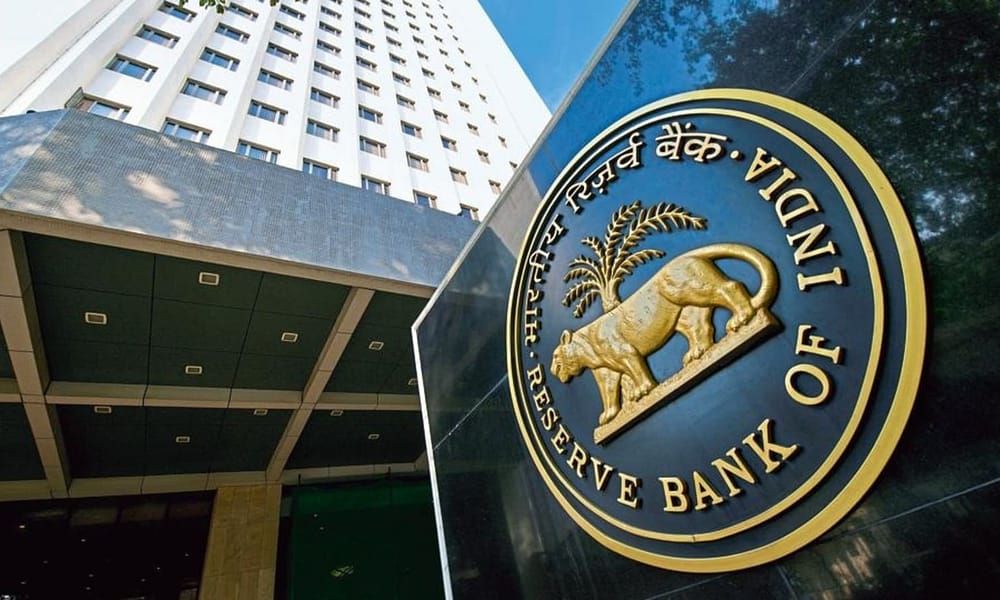
It was reported by the Reserve Bank of India that the country’s foreign exchange reserves had experienced a continued increase for the seventh consecutive week, reaching a six-month high. According to official data released for the week ending April 18, the reserves were recorded at $686.15 billion. This figure represented a notable rise of $8.3 billion from the previous week, following a cumulative gain of $39.2 billion over the prior six-week period. The upward trend was being interpreted by market observers as a sign of economic resilience and robust foreign capital movement, particularly into Indian financial assets.
The current level of foreign exchange holdings was said to have brought India within $19 billion of its all-time record high of $704.89 billion, which had been observed in late September. Market analysts indicated that such a sustained accumulation of reserves pointed to an active engagement by the central bank in stabilizing the domestic currency and maintaining macroeconomic stability. It was widely assumed that both direct interventions in the foreign exchange markets and valuation changes due to the appreciation of foreign currencies contributed to the increase.
The changes in the reserve composition were believed to have reflected not only net purchases of foreign currencies by the central bank but also the upward revaluation of foreign assets held in various currencies. It was noted that such revaluations occur when global currencies held in the reserve basket strengthen against the U.S. dollar. These assets include major international currencies such as the euro, yen, and pound sterling.
During the week under review, the Indian rupee had shown a notable performance. A weekly gain of 0.8% had been recorded, which was reported to be the strongest appreciation of the currency since March 17. This improvement was attributed largely to renewed foreign portfolio inflows into the Indian equity markets. Global investors were believed to have turned optimistic about Indian growth prospects and corporate earnings, thereby channeling capital into the country’s financial system.
In addition to inflows, it was reported that the U.S. dollar had remained under pressure due to uncertainties surrounding trade policies, particularly those related to tariff implementations by the American administration. These developments had allowed emerging market currencies, including the Indian rupee, to recover some ground during the period.
Despite the rupee’s gains earlier in the week, it was later reported that the currency had closed at 85.45 per dollar, reflecting a marginal weekly decline of 0.1%. The softening toward the end of the week was attributed to renewed geopolitical tensions between India and Pakistan. A militant attack in the state of Jammu & Kashmir had heightened regional uncertainty, thereby prompting caution among investors and contributing to minor outflows. The situation was monitored closely by policymakers and market participants alike, given the impact of geopolitical developments on currency sentiment and foreign investment.
India’s foreign exchange reserves were also stated to include the country’s reserve tranche position with the International Monetary Fund (IMF). This tranche, along with foreign currency assets, gold reserves, and Special Drawing Rights (SDRs), collectively made up the total reserve figure. The inclusion of these components was said to provide a comprehensive buffer to manage both external shocks and balance of payments volatility.
The steady growth of reserves over recent weeks was viewed as a critical support for the Indian economy amid a global environment marked by volatility, protectionism, and financial uncertainty. Economists observed that such a sizable reserve stockpile had offered the central bank ample room to cushion the economy against external disruptions, including abrupt capital outflows or currency fluctuations. Moreover, strong reserves were believed to enhance investor confidence, support the country’s credit ratings, and reinforce financial sector stability.
This continued strengthening of foreign reserves was expected to play a crucial role in maintaining the rupee’s exchange rate within a manageable band. It was further suggested that the Reserve Bank of India would likely continue monitoring global financial developments, including interest rate changes in the United States and trade policies of major economies, while also keeping a close watch on domestic indicators such as inflation and fiscal performance.
With foreign currency reserves edging closer to record levels, the Indian economy was seen to be well-positioned to navigate short-term challenges and sustain growth momentum. As long as capital inflows remained supportive and macroeconomic fundamentals stayed strong, it was believed that the central bank’s foreign reserve strategy would continue to serve as a key pillar in India’s economic framework.