Fintech
China’s Growing Influence in South America: The Chancay Mega Port and Geopolitical Implications
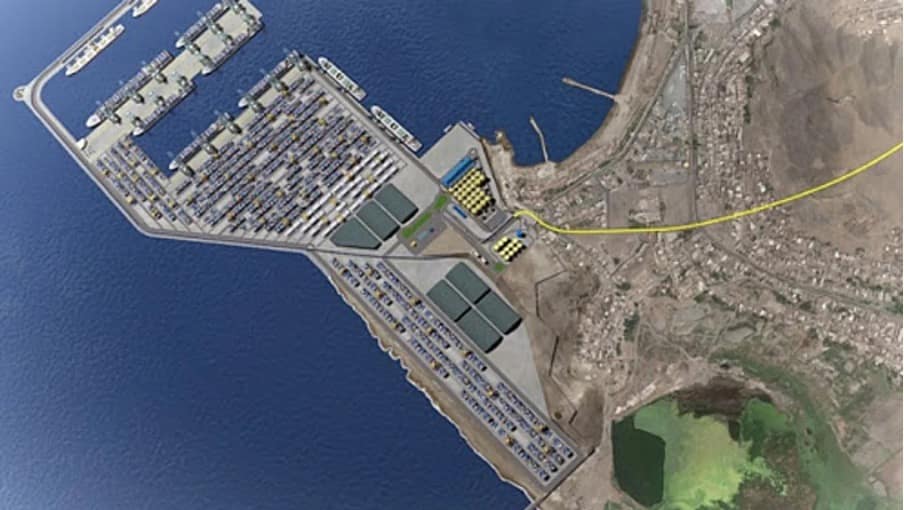
In September, a delegation of Brazilian farmers and officials visited the Peruvian town of Chancay, where a new Chinese mega port is under construction. This $3.5 billion deep-water port, majority-owned by the Chinese state-owned firm Cosco Shipping, is set to begin operations later this year. The port holds strategic significance, offering China a direct gateway to the resource-rich South American region. Over the past decade, China has surpassed the United States as the largest trade partner for South America, particularly in soy, corn, and copper.
The Chancay port, a part of China’s decade-old ‘Belt and Road’ initiative, symbolizes the geopolitical challenges faced by the United States and Europe in countering China’s growing influence in Latin America. China’s economic prowess and trade dominance have enabled it to gain allies and leverage in political forums, finance, and technology.
Construction of the Chancay port began in 2018, and it is located 80 kilometers north of Lima. The port, set to start its first phase in November 2024, is expected to accommodate the largest cargo ships, reducing journey times by two weeks for some exporters. This development is crucial for Beijing and Lima, as they envision Chancay becoming a regional hub for copper exports from the Andean nation and soy from western Brazil.
Peru’s trade minister, Juan Mathews Salazar, emphasized the port’s role in turning Peru into a strategic commercial and port hub between South America and Asia. The Chancay mega port aligns with China’s broader strategy of securing key infrastructure projects worldwide through its Belt and Road initiative.
China’s deepening economic ties with South America, particularly through infrastructure projects like Chancay, pose challenges for the United States and Europe. Despite warnings from the Trump administration about the dangers of close ties with Beijing, China overtook the United States in trade with South and Central America. Under President Joe Biden, attempts to reverse this trend have faced challenges, and the gap has widened.
U.S. officials are now emphasizing that the United States offers the region more than just trade, highlighting investments in high-tech industries. Juan Gonzalez, a White House adviser, argued that using trade as the sole metric for evaluating China’s influence is inaccurate. He expressed confidence in the United States’ ability to compete with China and urged regional governments to ensure no “political strings attached” to trade with Beijing.
China, on the other hand, sees its trade and investment in Latin America as mutually beneficial. The Belt and Road initiative has garnered support from 150 countries worldwide, including 22 in Latin America. Over the past decade, China’s infrastructure spending in the region has solidified its position as the key trade and investment partner for South America.
A decade ago, Peru traded slightly more with the United States than China. However, recent data show that China has built a more than $10 billion lead in bilateral trade. This trend is mirrored across the region, with China’s infrastructure investments meeting its growing demand for resources like copper, lithium, soy, and corn.
Despite challenges faced by China’s Belt and Road initiative globally, including pushback in Asia and Europe, the Chancay port represents a significant step forward in consolidating China’s role in South America. The region’s need for financing and foreign currency, coupled with the growing global interest in its abundant resources, makes it challenging for the United States to counter China’s influence.
The Chancay port, when operational, is expected to strengthen China’s powerful position in Peru and create a “point of leverage” in the region, according to Eric Farnsworth, a Latin America expert. China’s expanding presence, often backed by significant investments, marks a stark transformation from historical Chinese immigration to the region.
While concerns exist about the success of the Chancay port and the need for improved regional infrastructure, the geopolitical implications of China’s rise in South America remain significant. As the region becomes a new battleground for vital minerals, the United States, Europe, and China are engaged in a complex interplay of economic, diplomatic, and geopolitical forces.