Business
Lucid Group Faces Production and Delivery Decline in Q4 2023, Shares Hit Record Low Amidst EV Demand Challenges
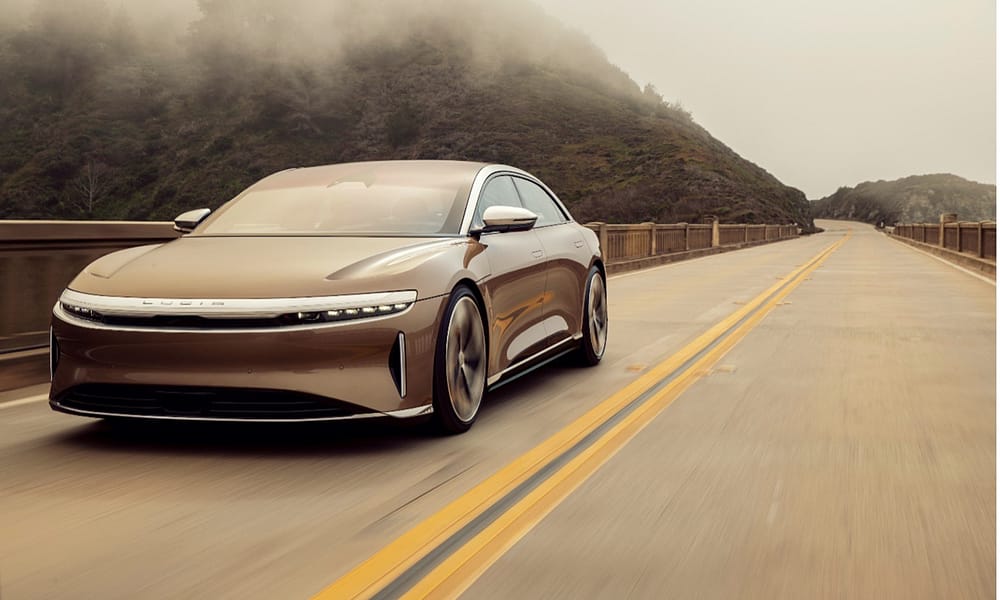
Lucid Group announced on Thursday that its deliveries and production witnessed a decline in the fourth quarter compared to the same period in the previous year, leading to a significant drop in its shares to a record low. The electric vehicle (EV) manufacturer faced headwinds from weakened demand, primarily attributed to high-interest rates impacting consumer willingness to engage in substantial purchases. This broader trend has prompted other major automakers like Ford (F.N) and General Motors to postpone their planned EV and battery factory expansion initiatives.
Adding to the challenges, Lucid found itself entangled in a price war initiated by market leader Tesla about a year ago. Tesla’s strategy aimed to solidify its dominance in the EV market and counteract a slowdown in demand. As a result, Lucid has been grappling with intensified competition and pricing pressures.
Garrett Nelson, Senior Equity Analyst at CFRA Research, remarked, “With (Lucid) shares hitting a new record low, we see little in the way of fundamental or technical support for the stock and expect additional lows to be set.”
Lucid reported a decline of approximately 10% in deliveries, amounting to 1,734 vehicles in the three months ending December 31. This compared unfavorably to the 1,932 units handed over in the corresponding quarter of the previous year. The company’s production also suffered, falling by about 31% to 2,391 vehicles during the quarter. Lucid’s annual production reached 8,428 vehicles, aligning with its revised target of 8,000 to 8,500 units after a production forecast reduction from over 10,000 units in November. This adjustment aimed to ensure that production remained in line with actual deliveries.
The challenging environment extends beyond Lucid, as sector peer Rivian also fell short of market expectations for deliveries in the final quarter of 2023, reflecting a broader slowdown in EV demand in the United States.
The decline in Lucid’s shares, which plummeted around 38% over the previous year, raises concerns about the company’s financial health and sustainability. Garrett Nelson remarked that the results suggested that LCID’s cash burn rates had remained exceptionally high, and its runway was evidently shortening.
While Lucid’s fourth-quarter deliveries and production showed improvement compared to the preceding three months, the overall trajectory signals the impact of challenging market conditions and heightened competition within the EV sector. The company is set to release its quarterly financial results on February 21, shedding more light on its financial performance and strategies to navigate the evolving landscape.
In conclusion, Lucid Group’s recent struggles underscore the complex dynamics influencing the EV market, including macroeconomic factors like interest rates, pricing wars initiated by key players, and the overall demand environment. As the industry adapts to these challenges, Lucid’s ability to address production and delivery issues, manage cash burn rates, and articulate a compelling strategy for the future will be crucial in determining its trajectory in the competitive EV landscape.