Business
Intel Reported to Be Seeking New Equity Infusion Amid Struggles in Chipmaking Business
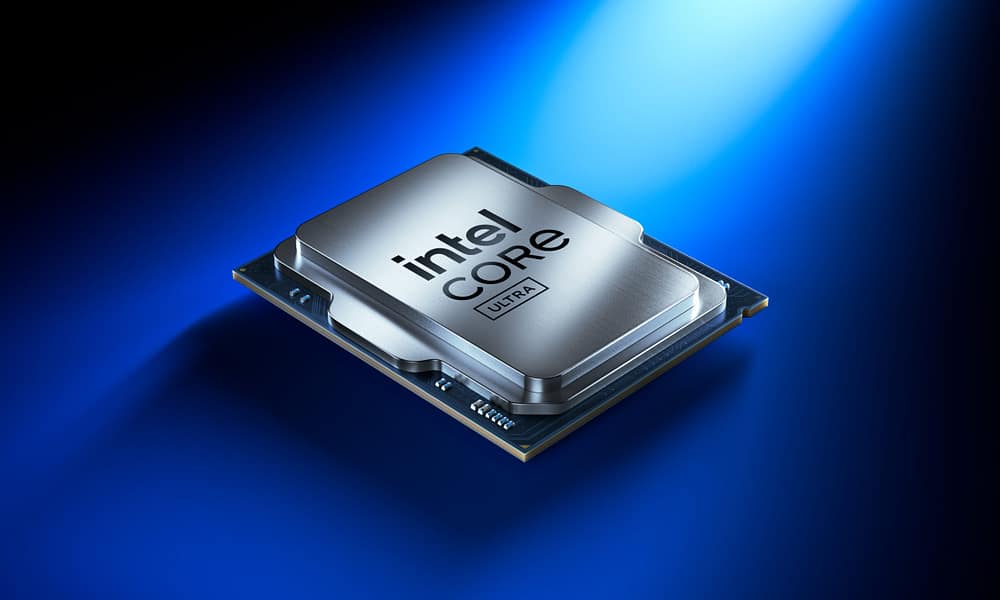
It was reported on Wednesday that Intel Corporation was engaged in discussions with several large investors to secure an additional equity infusion at a discounted price. The news followed shortly after the U.S.-based chipmaker received a $2 billion capital injection from SoftBank Group, which had purchased shares at a discounted rate. The move was widely interpreted as a continued effort to provide the company with much-needed financial lifelines as it struggles to stabilize its position in the global semiconductor industry.
The additional funding was described as essential to Intel’s immediate survival, as billions of dollars in investments have already been committed toward the expansion of its contract manufacturing business. The initiative, intended to allow Intel to compete more directly with Taiwan Semiconductor Manufacturing Company (TSMC), has been straining the company’s balance sheet. While it was stated that the investment from SoftBank had given a temporary lift to investor confidence, the longer-term sustainability of the strategy has been questioned by analysts.
The CNBC report that broke the news did not disclose the identities of the potential investors, and Intel declined to comment when approached. The lack of transparency raised speculation in financial circles about which groups might be willing to extend fresh funding, especially given the risks associated with Intel’s declining market position. Following the report, Intel’s shares fell by 7% on Wednesday, erasing some of the momentum that had been generated earlier in the week.
The investment from SoftBank had involved the purchase of shares at $23 apiece, representing a discounted valuation and giving the Japanese group a stake of just under 2% in Intel. Observers noted that the deal marked the second instance of Intel accepting capital under unfavorable terms, as the company had become increasingly dependent on external lifelines. Market watchers pointed out that such discounted capital raises reflected growing concerns about the long-term outlook for the chipmaker.
Despite Wednesday’s decline, Intel’s shares had recently experienced a series of sharp gains. On Tuesday, they had risen by almost 7% on the back of SoftBank’s involvement, and the previous week, they had surged by more than 23% on reports suggesting that the U.S. government might take a stake in the company. These fluctuations reflected a volatile environment where optimism over government support clashed with persistent doubts about the company’s execution capabilities.
On Tuesday, it had been confirmed by U.S. Commerce Secretary Howard Lutnick that the federal government wanted to take an equity position in Intel in exchange for grants distributed under the CHIPS Act. This legislation, which was approved during the administration of former President Joe Biden, had been designed to strengthen domestic semiconductor manufacturing and reduce reliance on foreign suppliers. It was recalled that Intel had already secured about $8 billion in subsidies under the program to build advanced factories, which represented the largest individual allocation since the law’s passage in 2022.
However, the company’s manufacturing ambitions were said to have been scaled back under the leadership of its new chief executive, Lip-Bu Tan. The decision was reportedly motivated by financial pressure and doubts about Intel’s ability to compete head-on with more advanced rivals. It was emphasized that years of mismanagement had eroded Intel’s standing in the semiconductor industry, leaving the firm with little presence in the rapidly growing artificial intelligence chip segment, a space dominated by competitors such as Nvidia.
Intel’s challenges were also linked to its strained relationship with Washington. It was reported that U.S. President Donald Trump had recently met with Tan following suggestions that the executive should resign over alleged conflicts of interest tied to Chinese business connections. This political dimension added further uncertainty to the company’s future, as its leadership faced both commercial and governmental pressures.
From a financial standpoint, the company’s outlook remained deeply concerning. Intel had not posted a year of positive adjusted free cash flow since 2021 and was reported to have recorded a staggering annual loss of $18.8 billion in 2024. This marked its first full-year loss since 1986, highlighting the depth of the crisis confronting one of the most historically significant names in American technology.
Market analysts suggested that the discussions with potential new investors reflected Intel’s urgent need to secure capital to keep its strategic ambitions alive. It was believed that, without external backing, the company would find it increasingly difficult to finance its manufacturing overhaul and regain competitiveness in areas such as artificial intelligence and advanced process technologies. At the same time, it was argued that accepting repeated discounted infusions risked undermining shareholder confidence and diluting long-term value.
Overall, Intel’s situation was described as one of high stakes and high uncertainty. The company was seen as standing at a crossroads, with its survival hinging on the willingness of governments and private investors to continue supporting its restructuring efforts. While new equity infusions could provide temporary relief, the broader challenges of technological innovation, strategic execution, and political scrutiny were expected to define the company’s trajectory in the years ahead.