

Business
China-U.S. Trade Truce Offers Hope but Lacks Clarity, Leaving Markets on Edge
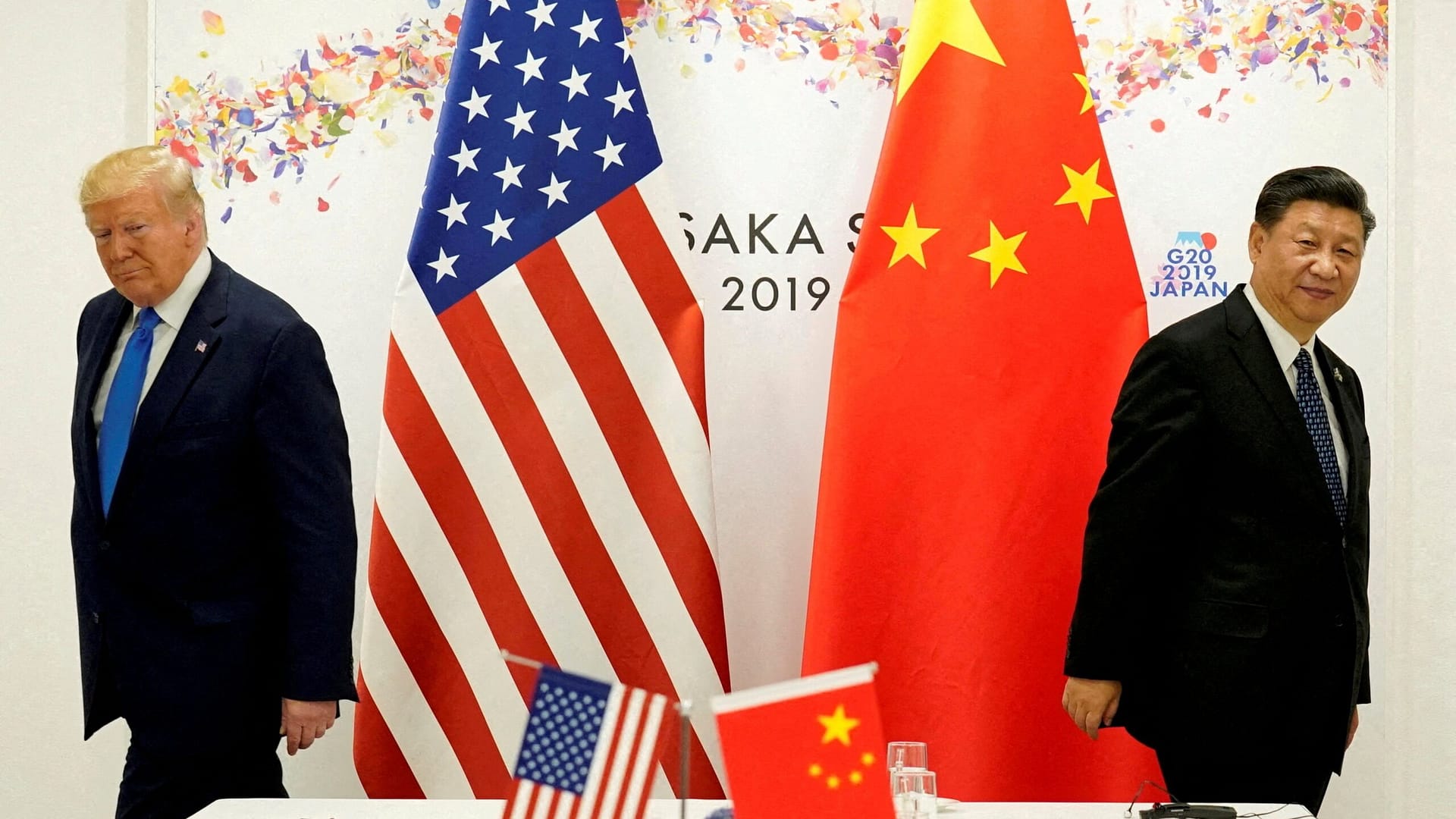
A tentative truce in the ongoing trade conflict between China and the United States has provided a glimmer of hope to investors who have long awaited signs of resolution between the two global economic powerhouses. While the recent announcement of an agreement between the two nations has been viewed as a potential step forward, the absence of detailed terms has led many to regard the deal as fragile and incomplete, with the possibility of future disputes remaining firmly on the horizon.
The announcement of the agreement was made by U.S. President Donald Trump, who declared that a deal had been reached under which China would supply critical materials such as magnets and rare earth minerals. In return, the United States would continue allowing Chinese students to study at American colleges and universities. While the exchange was presented as a significant development, the exact scope and enforcement mechanisms of the arrangement were not disclosed, leaving observers uncertain about its durability.
On the Chinese side, confirmation of the progress came from Vice Commerce Minister Li Chenggang, who reported that after two days of negotiations, both sides had settled on a framework for trade talks. This framework, it was noted, would now be reviewed by national leadership on both ends before further steps could be taken. However, no formal document or binding agreement was made public, raising questions about how much consensus had truly been reached.
A U.S. official familiar with the matter added that the agreement still allowed Washington to impose a 55% tariff on imported goods from China, suggesting that pressure on Beijing had not been fully lifted and that elements of the trade conflict remained unresolved. This detail, though buried in the broader announcement, has been interpreted by many as a sign that tensions could flare up again if further progress is not achieved.
In financial markets, reactions to the truce were notably mixed. Wall Street stocks experienced a slight dip, while the dollar weakened modestly. Meanwhile, Chinese equities saw a modest rise, with benchmark indexes approaching three-week highs. Despite this, market analysts described investor sentiment as cautious rather than celebratory. The cautious response indicated that while the announcement had temporarily soothed concerns, the broader investment community remained skeptical in the absence of clear outcomes and measurable policy shifts.
Financial strategist Chris Grisanti of MAI Capital Management remarked that the lack of concrete details made it difficult to view the situation as resolved. He noted that although both nations appeared to be presenting the outcome as a success, the underlying tensions had not been fully addressed. Similarly, Oliver Pursche of Wealthspire Advisors observed that the simultaneous declaration of a done deal and a framework for future discussions pointed to contradictions, further contributing to investor hesitation.
Another layer of uncertainty stems from the looming expiration of a temporary 90-day pause on tariffs affecting other U.S. trading partners. This moratorium, set to conclude in early July, has kept global investors on edge, as a failure to extend it or replace it with longer-term agreements could reignite market volatility. In past months, fears of an economic downturn had been triggered by President Trump’s imposition of sweeping tariffs, which caused a sharp market decline in early April, referred to by some analysts as “Liberation Day.” Those fears had only subsided after a significant rollback of the harsher trade measures.
Since then, the S&P 500 index has rebounded by more than 20%, approaching historic highs once again. Although Chinese markets have not fared as well—due in part to domestic economic challenges—they have also recovered much of the ground lost earlier in the year, returning to levels last seen in early April. However, continued investor anxiety over the strength of China’s economy and the fragility of global trade relationships has tempered overall enthusiasm.
Analysts generally agree that the one bright spot in the recent developments has been the apparent willingness on both sides to adopt a more pragmatic tone. This, they say, could create room for further negotiations and eventual resolution. Yet, as has often been the case in the prolonged trade saga between Washington and Beijing, optimism has been quickly followed by renewed friction.
In the end, while the latest agreement may have bought some temporary calm for global markets, its true impact will depend on whether it leads to meaningful, enforceable commitments—or merely postpones the next chapter in a trade war that has already reshaped global economic expectations.










Business
Intel Reported to Be Seeking New Equity Infusion Amid Struggles in Chipmaking Business
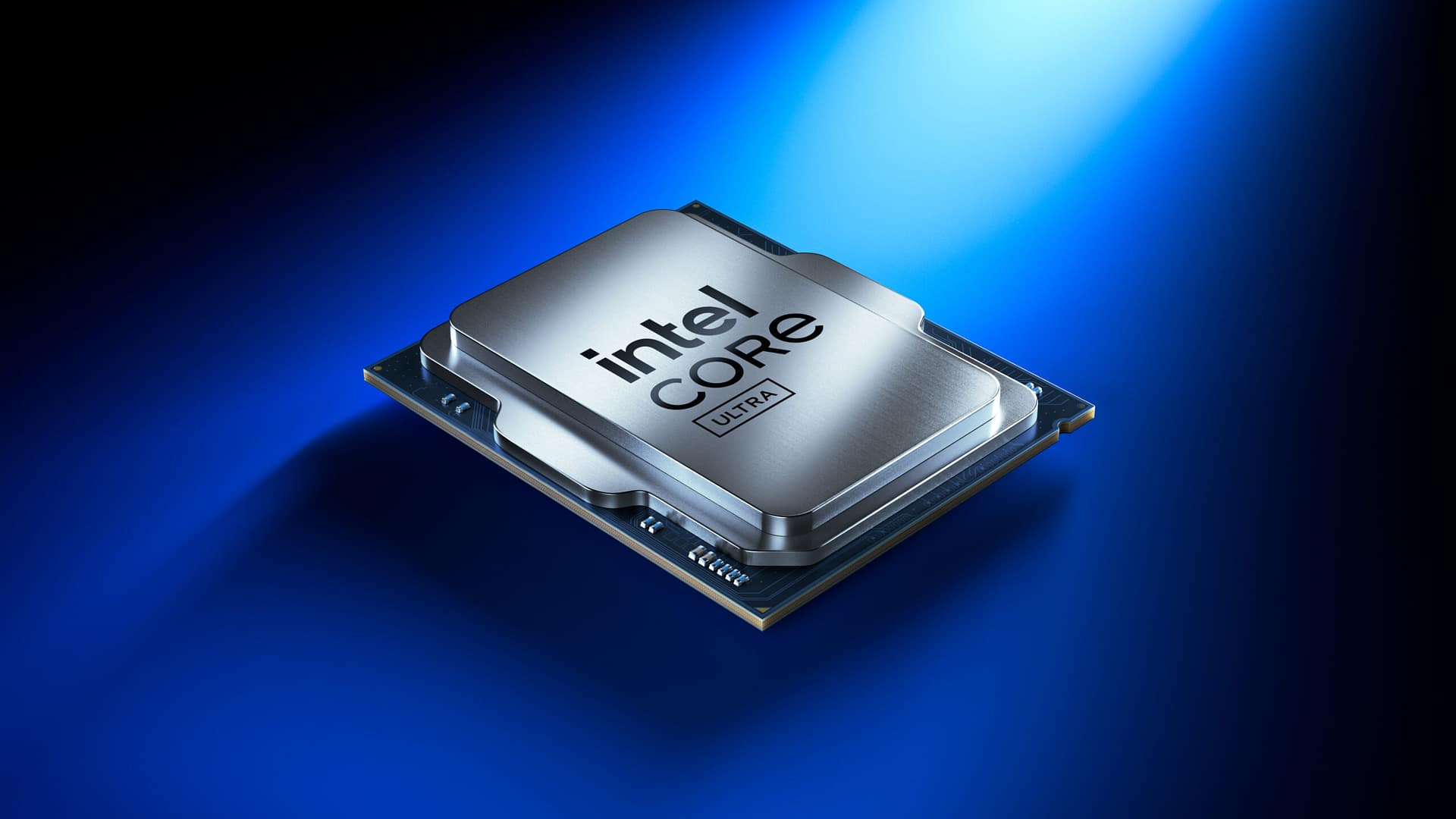
It was reported on Wednesday that Intel Corporation was engaged in discussions with several large investors to secure an additional equity infusion at a discounted price. The news followed shortly after the U.S.-based chipmaker received a $2 billion capital injection from SoftBank Group, which had purchased shares at a discounted rate. The move was widely interpreted as a continued effort to provide the company with much-needed financial lifelines as it struggles to stabilize its position in the global semiconductor industry.
The additional funding was described as essential to Intel’s immediate survival, as billions of dollars in investments have already been committed toward the expansion of its contract manufacturing business. The initiative, intended to allow Intel to compete more directly with Taiwan Semiconductor Manufacturing Company (TSMC), has been straining the company’s balance sheet. While it was stated that the investment from SoftBank had given a temporary lift to investor confidence, the longer-term sustainability of the strategy has been questioned by analysts.
The CNBC report that broke the news did not disclose the identities of the potential investors, and Intel declined to comment when approached. The lack of transparency raised speculation in financial circles about which groups might be willing to extend fresh funding, especially given the risks associated with Intel’s declining market position. Following the report, Intel’s shares fell by 7% on Wednesday, erasing some of the momentum that had been generated earlier in the week.
The investment from SoftBank had involved the purchase of shares at $23 apiece, representing a discounted valuation and giving the Japanese group a stake of just under 2% in Intel. Observers noted that the deal marked the second instance of Intel accepting capital under unfavorable terms, as the company had become increasingly dependent on external lifelines. Market watchers pointed out that such discounted capital raises reflected growing concerns about the long-term outlook for the chipmaker.
Despite Wednesday’s decline, Intel’s shares had recently experienced a series of sharp gains. On Tuesday, they had risen by almost 7% on the back of SoftBank’s involvement, and the previous week, they had surged by more than 23% on reports suggesting that the U.S. government might take a stake in the company. These fluctuations reflected a volatile environment where optimism over government support clashed with persistent doubts about the company’s execution capabilities.
On Tuesday, it had been confirmed by U.S. Commerce Secretary Howard Lutnick that the federal government wanted to take an equity position in Intel in exchange for grants distributed under the CHIPS Act. This legislation, which was approved during the administration of former President Joe Biden, had been designed to strengthen domestic semiconductor manufacturing and reduce reliance on foreign suppliers. It was recalled that Intel had already secured about $8 billion in subsidies under the program to build advanced factories, which represented the largest individual allocation since the law’s passage in 2022.
However, the company’s manufacturing ambitions were said to have been scaled back under the leadership of its new chief executive, Lip-Bu Tan. The decision was reportedly motivated by financial pressure and doubts about Intel’s ability to compete head-on with more advanced rivals. It was emphasized that years of mismanagement had eroded Intel’s standing in the semiconductor industry, leaving the firm with little presence in the rapidly growing artificial intelligence chip segment, a space dominated by competitors such as Nvidia.
Intel’s challenges were also linked to its strained relationship with Washington. It was reported that U.S. President Donald Trump had recently met with Tan following suggestions that the executive should resign over alleged conflicts of interest tied to Chinese business connections. This political dimension added further uncertainty to the company’s future, as its leadership faced both commercial and governmental pressures.
From a financial standpoint, the company’s outlook remained deeply concerning. Intel had not posted a year of positive adjusted free cash flow since 2021 and was reported to have recorded a staggering annual loss of $18.8 billion in 2024. This marked its first full-year loss since 1986, highlighting the depth of the crisis confronting one of the most historically significant names in American technology.
Market analysts suggested that the discussions with potential new investors reflected Intel’s urgent need to secure capital to keep its strategic ambitions alive. It was believed that, without external backing, the company would find it increasingly difficult to finance its manufacturing overhaul and regain competitiveness in areas such as artificial intelligence and advanced process technologies. At the same time, it was argued that accepting repeated discounted infusions risked undermining shareholder confidence and diluting long-term value.
Overall, Intel’s situation was described as one of high stakes and high uncertainty. The company was seen as standing at a crossroads, with its survival hinging on the willingness of governments and private investors to continue supporting its restructuring efforts. While new equity infusions could provide temporary relief, the broader challenges of technological innovation, strategic execution, and political scrutiny were expected to define the company’s trajectory in the years ahead.
Business
Hewlett Packard Enterprise Reaches Agreement with Elliott, Appoints Veteran Executive to Board Amid Juniper Acquisition
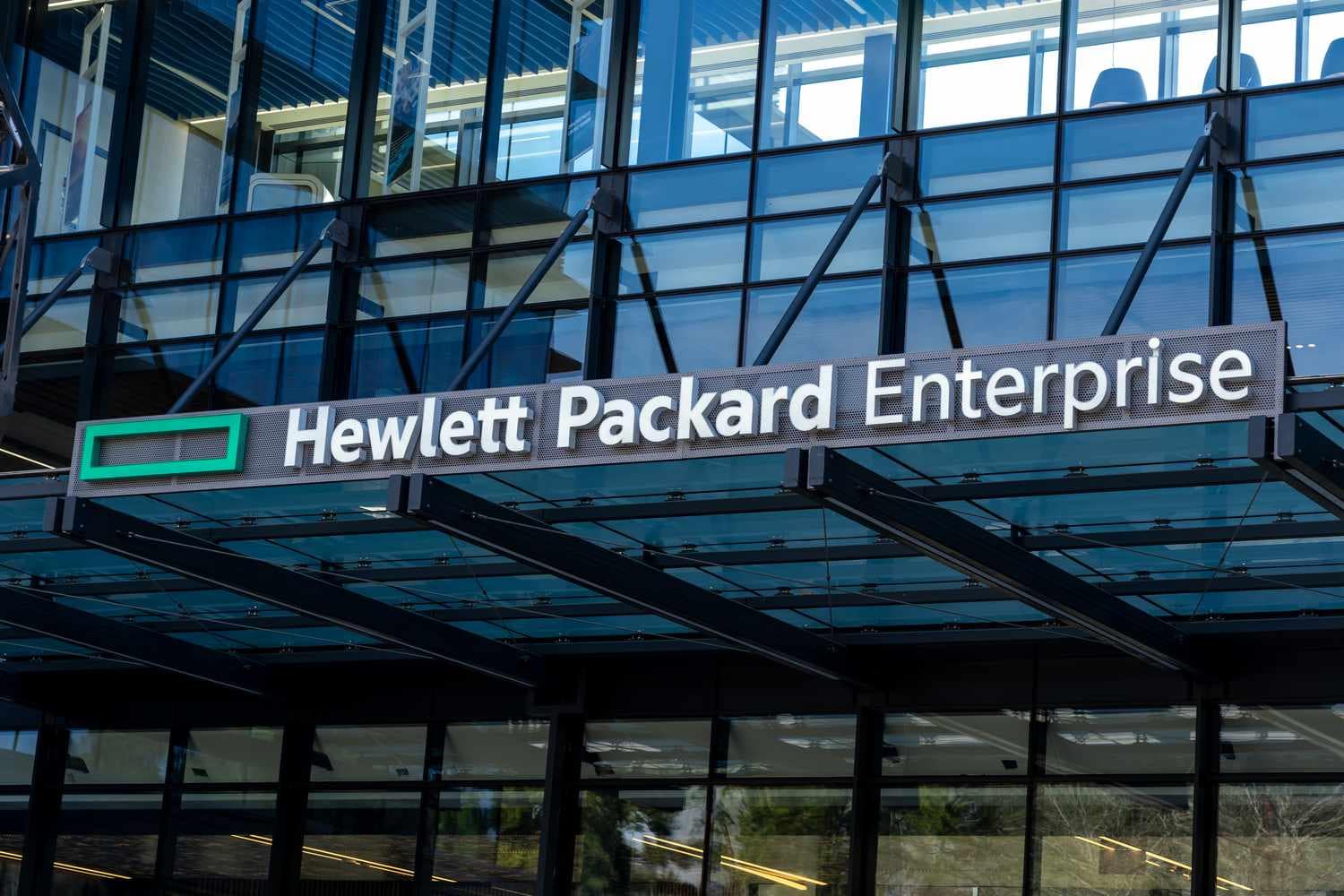
Hewlett Packard Enterprise was reported on Wednesday to have appointed an experienced technology executive to its board of directors as part of an agreement reached with activist investor Elliott Investment Management, signaling a truce following months of private negotiations. The development was announced just weeks after the company completed its closely watched $14 billion acquisition of Juniper Networks, which had been subject to prolonged antitrust scrutiny.
According to a statement released by the company, Robert Calderoni, a veteran of the technology industry who previously served as chair and chief executive officer of Ariba as well as chair and interim CEO of Citrix, was appointed to the HPE board effective immediately. Calderoni, who is currently serving as chair of semiconductor equipment company KLA, has also been named chair of a newly formed strategy committee. This committee is expected to guide the company’s long-term direction and oversee the integration of Juniper Networks.
It was indicated that under the terms of the agreement, Elliott, one of HPE’s largest shareholders with an investment valued at over $1.5 billion, has secured the option to appoint one of its own executives to the board. The arrangement is understood to remain in place for at least one year and prohibits Elliott from initiating any proxy contests during that time. The truce followed several months of discussions conducted behind closed doors between Elliott, headquartered in West Palm Beach, Florida, and HPE, based in Houston, Texas.
The announcement also comes shortly after HPE finalized its acquisition of Juniper Networks, originally unveiled in January 2024. That transaction had faced a review by the U.S. Department of Justice before it was allowed to proceed earlier this month. The merger is intended to transform HPE into a comprehensive, AI-native networking provider with advanced capabilities in artificial intelligence-driven solutions. Sources familiar with the agreement, speaking anonymously, suggested that the addition of Calderoni to the board was designed to ensure strategic oversight and execution of the Juniper integration, which is regarded as critical to HPE’s future.
Following the news, shares of HPE rose slightly by 0.5% in afternoon trading, reaching $20.38. However, it was noted that the company’s stock has fallen approximately 5% since the start of the year, lagging behind competitors such as Dell Technologies and the broader S &P 500 index. Analysts observed that while demand for AI servers has increased significantly as both large technology companies and startups race to deploy generative AI services requiring substantial computing power, the profitability of this business line has been constrained by the high costs associated with advanced chips produced by Nvidia, AMD, and other suppliers.
Calderoni’s appointment was highlighted as particularly noteworthy given his track record in the industry. He previously oversaw the sale of Ariba to SAP and contributed to the sale of Ansys to Synopsys. Furthermore, he is recognized for his prior collaboration with Elliott, having worked closely with Jesse Cohn, a partner at the hedge fund, during his tenure on the Citrix board. His familiarity with Elliott’s priorities and his expertise in navigating major corporate transactions were described as assets that would benefit HPE as it embarks on its next phase of growth.
Elliott, which manages approximately $72.7 billion in assets, has a well-established history of engaging with companies to push for strategic and operational changes. In recent years, it has undertaken activist campaigns at firms such as Southwest Airlines, Phillips 66, and Texas Instruments. Notably, despite market volatility that led many other activist investors to pull back, Elliott has continued to pursue high-profile campaigns globally in 2025. In May, the firm secured two board seats at Phillips 66 following a contentious proxy battle, underscoring its willingness to press for influence even under challenging conditions.
HPE stated that the newly established strategy committee would also include independent directors Gary Reiner, Raymond Lane, and Charles Noski, alongside Calderoni. The committee is expected to play a central role in shaping the company’s strategic priorities, including the integration of Juniper and the development of its AI-driven business segments.
The agreement between HPE and Elliott was viewed by industry observers as a pragmatic resolution that allows the company to focus on executing its strategic plans without the distraction of a public activist campaign. At the same time, it provides Elliott with formal representation and influence over the company’s direction, ensuring that shareholder concerns are addressed constructively.
The developments underscore the significant shifts taking place within the cloud infrastructure and AI server markets, where companies such as HPE face mounting competitive pressure and must navigate complex technological and regulatory environments. As the company integrates Juniper’s capabilities and expands its AI-driven solutions, the oversight provided by the new board structure is expected to play a vital role in maintaining momentum and delivering value to shareholders.
By appointing a seasoned executive with deep industry knowledge and a proven track record of working with activist investors, HPE has taken a proactive step to align its governance with its strategic ambitions, laying the groundwork for a more stable and collaborative future.
Business
Arm’s Data Center Expansion Accelerates Amid AI Boom and Cloud Adoption
A significant surge in the adoption of Arm-based chips across global data centers has been observed, with usage reportedly expanding to 70,000 customers—marking a 14-fold increase since 2021. This remarkable growth, which was disclosed to Reuters by the company, has occurred under the leadership of Chief Executive Rene Haas, who has actively steered Arm toward broader horizons beyond its traditional dominance in mobile device architecture.
Efforts by the chip architecture firm to penetrate the PC and data center markets have begun to yield meaningful results, especially as the global demand for chips supporting artificial intelligence (AI) computing intensifies. Arm has indicated that a substantial portion of the expansion in its data center presence has been attributed to the rising influence of generative AI workloads, which require chips optimized for performance, scalability, and energy efficiency.
It was conveyed that a twelve-fold increase had been recorded in the number of startups utilizing Arm chips since 2021, further signaling the architecture’s growing appeal within the innovation-driven segments of the semiconductor industry. These developments come at a time when the broader chip market is experiencing an uneven recovery. While demand for AI-related infrastructure has soared, other sectors, such as mobile devices and personal computers, continue to struggle with sluggish sales and inventory corrections.
Despite the promising momentum, Arm has exercised caution in its financial communications. In its most recent quarterly update released in May, the company refrained from issuing forward-looking financial guidance, citing the uncertainty arising from ongoing global trade dynamics. Nevertheless, the narrative surrounding the firm remains optimistic, particularly in light of its architectural efficiency.
Arm’s architecture is widely recognized for balancing high performance with low power consumption, a combination that has long secured its dominance in the mobile phone sector. More recently, these benefits have been adapted and applied to the demanding environment of data centers, where power usage has traditionally been a major operational and environmental concern. The evolution of Arm-based chip designs to handle high-performance server workloads has thus been considered a pivotal development.
The path into data center computing had previously posed challenges for Arm, largely due to the dominance of x86-based processors. However, momentum has shifted in recent years, thanks in part to strategic support from major cloud service providers. Firms such as Amazon, Google, and Microsoft have invested in developing their own custom-built processors based on the Arm architecture, integrating them into their extensive infrastructure.
One of the more notable contributions to Arm’s growth has stemmed from Amazon Web Services (AWS). Since 2018, AWS has launched multiple generations of its in-house data center CPUs based on Arm technology. These processors, which include variations optimized for artificial intelligence workloads, have been incorporated into the AWS ecosystem in large volumes. Millions of Arm-based chips are now being operated within Amazon’s cloud platform, offering customers high-performance computing capabilities with improved energy efficiency.
Cloud providers have also been facilitating broader access to Arm’s architecture by offering chip rental models, which enable enterprises and startups alike to deploy Arm-based solutions without the capital expenditure required for dedicated hardware infrastructure. This model has accelerated adoption across sectors, particularly in AI development, scientific computing, and cloud-native application deployment.
The semiconductor industry overall remains in a complex phase. While AI-driven infrastructure demand has propped up certain segments, the prolonged stagnation in PC and mobile markets continues to exert a dampening effect on industry-wide growth projections. Despite these mixed signals, Arm’s trajectory suggests a strategic advantage in aligning itself with the growing infrastructure needs of cloud computing and AI.
Industry analysts have noted that Arm’s flexible architecture and increasing ecosystem support make it well-positioned to capture a larger share of the data center and high-performance computing market. As more enterprises pivot toward energy-conscious processing power and customizable silicon solutions, Arm’s relevance in non-mobile domains is expected to expand further.
Though full financial impacts of this growth have not been formally disclosed, the qualitative indicators—ranging from customer adoption rates to deepening ties with hyperscale cloud providers—suggest that Arm’s bet on diversification is beginning to pay off. The firm’s architectural strengths, combined with a rising demand for power-efficient computing in AI and cloud environments, have placed it on a growth path that could reshape the competitive landscape of enterprise-grade semiconductor technologies.

Strategic Plan Demanded as Bank of America Seeks to Close Performance Gap with Key Rivals

Major European Media Conglomerate Expands into Gaming with Acquisition of Leading Betting Firm

Unexpected Canadian Inflation Tightens Yield Gap, Complicating Central Bank Policy Outlook

Argentina Explores Debt Management Strategies: Potential Debt Swap and IMF Discussions on the Horizon

Apple Introduces “Tap to Pay” Feature for iPhone, Allowing Contactless Payments

Hedge Funds Capitalize on U.S. Regional Banking Stocks Plunge: Insights and Implications
-
 Banking2 years ago
Argentina Explores Debt Management Strategies: Potential Debt Swap and IMF Discussions on the Horizon
-
 Technology3 years ago
Apple Introduces “Tap to Pay” Feature for iPhone, Allowing Contactless Payments
-
 Banking2 years ago
Hedge Funds Capitalize on U.S. Regional Banking Stocks Plunge: Insights and Implications
-

 Technology2 years ago
Aviation Industry Urges Swift Action Against GPS Spoofing Amid Growing Threats
-

 Technology2 years ago
Bitcoin Weakens as Regulatory Concerns and Market Sentiment Impact Cryptocurrency Market
-

 Business2 years ago
Overcoming Financial Hurdles: TotalEnergies’ Quest for Renewable Energy in Africa
-

 Technology3 years ago
FTX denies talks of acquiring Robinhood
-

 Forex1 year ago
Navigating Risks in Bank-Fintech Partnerships: Insights from U.S. Bank Regulator