Business
Adani Group’s Supreme Court Win: Navigating Allegations, Investigations, and Market Dynamics
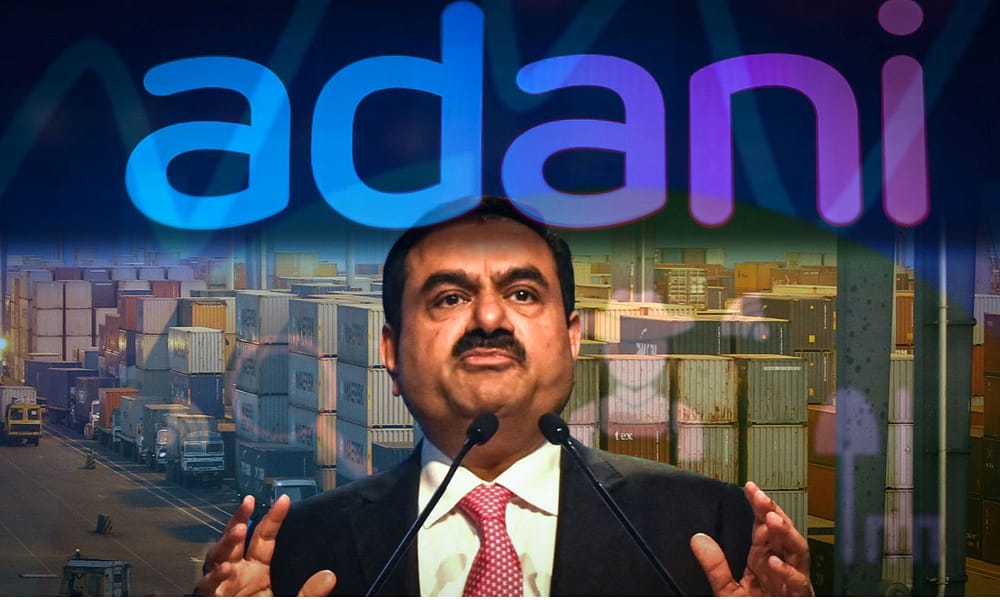
India’s Adani Group received a favorable ruling from the Supreme Court, alleviating concerns stemming from a U.S. short-seller’s accusations of improper business dealings. The Securities and Exchange Board of India (SEBI) had been investigating the conglomerate following Hindenburg Research’s report in January, which triggered a substantial selloff despite Adani’s denials. The recent court decision has significant implications for Adani, shedding light on the facts, the aftermath of Hindenburg’s report, the regulatory probe, and the market’s response.
Gautam Adani, a self-made billionaire, initiated his business journey as a commodities trader and expanded his empire across diverse sectors, including ports, power generation, airports, mining, renewables, media, and cement. His rise to becoming Asia’s richest person faced scrutiny, particularly due to his relationship with India’s Prime Minister Narendra Modi, who hails from the same state. The Adani Group, under Gautam Adani’s leadership, had become a major player in India’s corporate landscape before the allegations surfaced.
Hindenburg Research’s Allegations:
Hindenburg Research, founded by Nathan Anderson, is known for its forensic financial research, often exposing corporate wrongdoings. In its report last year, Hindenburg alleged that Adani had improperly used tax havens and raised concerns about the conglomerate’s high debt levels. The report triggered a significant selloff, leading to a $150 billion reduction in the conglomerate’s market value. Adani vehemently denied the allegations, terming them “unsubstantiated speculations.”
Impact on Adani Group:
The fallout from Hindenburg’s report had a profound effect on Adani’s publicly listed companies, causing a substantial decline in their market capitalization. While the shares have not fully recovered, the conglomerate took strategic steps to restore investor confidence. Welcoming investments from entities like Abu Dhabi conglomerate International Holding and investment firm GQG helped dilute the family’s tight shareholding, contributing to a recovery in share prices.
Market Regulator’s Probe and Supreme Court Verdict:
SEBI initiated an investigation into the Adani Group based on the allegations from Hindenburg Research. The Supreme Court, responding to public interest litigants, ruled that the case did not warrant a transfer of the investigation to other agencies. The court directed SEBI to complete its probe within three months. This verdict is seen as pivotal, affirming SEBI’s authority and signaling that regulatory scrutiny may not intensify further.
Implications for Adani Group:
Gautam Adani expressed that the court ruling vindicated the truth. Analysts believe the decision grants SEBI the final say in the matter, reducing uncertainties about increased regulatory scrutiny. This outcome is likely to instill greater confidence among global investors considering investments in Adani Group shares.
Market Response:
Adani Group’s various companies experienced a surge in their stock prices following the court’s decision. Adani Energy Solutions, Adani Total Gas, Adani Green Energy, and the flagship business Adani Enterprises witnessed positive market momentum, reflecting the positive sentiment post the Supreme Court ruling.
In conclusion, the Supreme Court’s verdict represents a significant development for the Adani Group, offering clarity amid allegations and investigations. The conglomerate now awaits the conclusion of SEBI’s probe, with the hope that this resolution will contribute to rebuilding investor trust and confidence.