Banking
UAE Stock Markets Close 2023 with Positive Performance, Dubai Index Rises for Third Consecutive Year
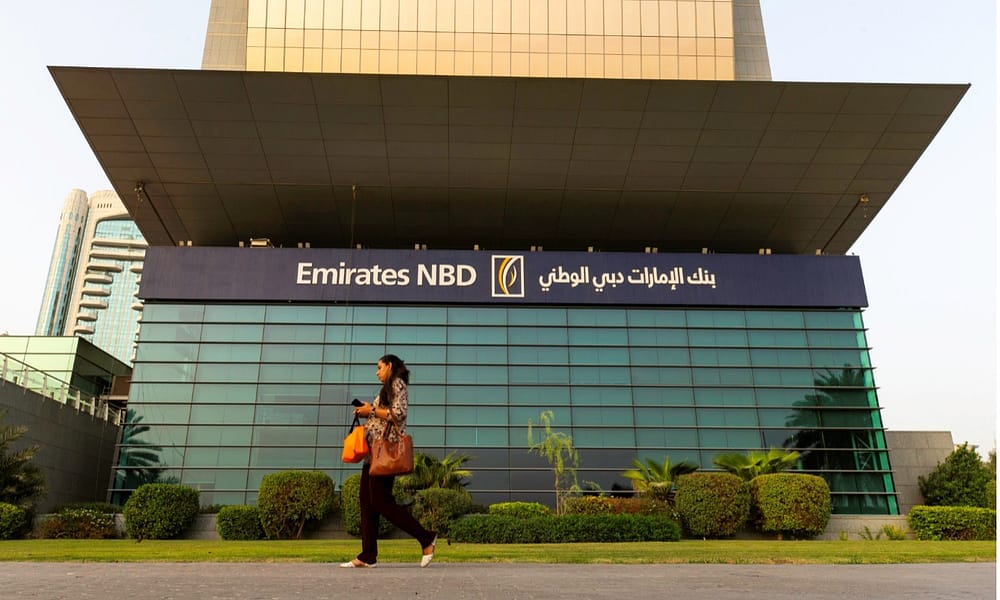
UAE stock markets closed the year on a positive note, with the Dubai index marking its third consecutive annual gain, driven by expectations of interest rate cuts in 2024. On the last trading day of 2023, Dubai’s benchmark index rose by 0.3%, supported by a 1.3% increase in toll operator Salik Company and a 0.9% gain in top lender Emirates NBD Bank. The Dubai index finished the year 21.8% higher, supported by strong performances in the real estate and banking sectors, with Emaar Properties and Emirates NBD posting gains of 35.2% and 33.1%, respectively.
The Dubai market experienced a robust first half of the year, but geopolitical tensions in the region led to volatility in the second half. Despite the challenges, the market demonstrated resilience and recovered a significant portion of its losses, returning to an uptrend, according to Abdelhadi Laabi, Chief Marketing Officer at KAMA Capital.
In contrast, Abu Dhabi’s main index edged up by 0.1% on the final trading day, with a volatile session featuring a 4.8% surge in the state-run utility Abu Dhabi National Energy Company (TAQA) and a 2.2% jump in the conglomerate International Holding Company (IHC). However, the Abu Dhabi index ended the year down 6.2%, breaking a two-year winning streak. The first quarter of the year saw the highest losses for nine years, as indicated by data from the London Stock Exchange Group (LSEG).
IHC, the UAE’s most valuable listed firm, experienced a 2.6% decline, marking its first annual loss in five years. Top lender First Abu Dhabi Bank also faced challenges, dropping 18.4% and extending losses for a second consecutive year.
The Abu Dhabi stock market demonstrated increased volatility in contrast to its Dubai counterpart, impacted by uncertainties and swift shifts in oil market dynamics, as noted by Abdelhadi. Looking forward to the year 2024, there is a possibility that anticipations for a more lenient U.S. monetary policy could stimulate risk appetite, reduce financing expenses, and uplift UAE stocks. The Gulf Cooperation Council’s monetary policy choices are commonly swayed by the decisions of the U.S. Federal Reserve, given that the majority of regional currencies maintain caps to the dollar.
Oil prices, a significant contributor to Gulf economies, ended the year approximately 10% lower after two years of gains. Factors such as geopolitical concerns, production cuts, and central bank measures to control inflation led to notable fluctuations in oil prices throughout the year. On the final trading day, Brent crude was up 0.7% to $77.67 a barrel, reflecting the ongoing influence of global factors on regional markets.