Banking
Strengthening Financial Resilience: Banks Embrace the Federal Reserve’s Repo Facility
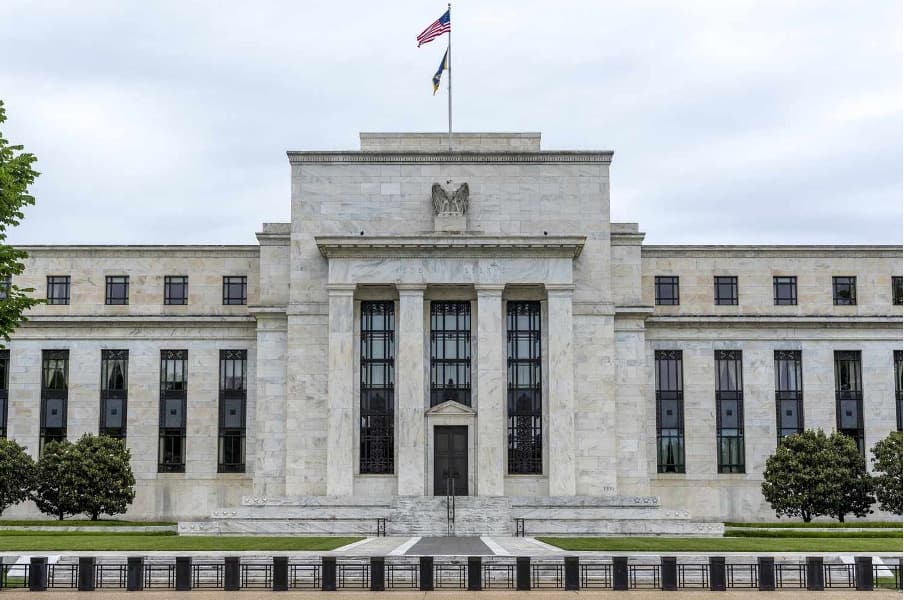
Amidst growing concerns about liquidity and financial stability, banks in the United States are increasingly turning to the Federal Reserve’s Standing Repo Facility, signaling a shift towards greater preparedness in the face of potential crises. This facility, established in July 2021 to bolster money markets, allows banks to access emergency overnight cash through repurchase agreements, using Treasury and agency mortgage securities as collateral.
Initially met with hesitancy due to fears of stigma associated with borrowing from the Fed, the repo facility is gaining traction as banks prioritize resilience in a volatile financial landscape. While concerns about appearing financially weak persist, recent interviews and a Fed survey indicate a growing acceptance of the facility among banks.
The urgency to bolster liquidity readiness has been underscored by recent bank collapses and regulatory pressures following the bank runs of last March. Regulators are urging banks to fortify their defenses against potential deposit outflows, emphasizing the need for proactive measures to mitigate risks.
As the Fed begins to withdraw excess cash from the financial system, concerns about liquidity scarcity are mounting. Against this backdrop, banks are increasingly recognizing the value of having access to emergency funding through the repo facility. With over two dozen banks, including regional players, signing up as counterparties, the facility is gaining traction as a critical tool for safeguarding financial stability.
The recent addition of banks like First Citizens Bank underscores the growing recognition of the repo facility’s importance. John Moran, a spokesperson for the bank, highlighted the strategic decision to expand monetization channels, including repo facilities, as part of their risk management strategy.
Experts emphasize the significance of broader participation in the repo facility, emphasizing its role in bolstering financial resilience and stability. In times of stress, access to emergency funding can be a decisive factor in a bank’s survival. Silicon Valley Bank’s failure, attributed in part to its inability to access emergency funding, serves as a cautionary tale, underscoring the importance of proactive measures.
Compared to the Fed’s discount window, which carries a significant stigma, the repo facility offers a potentially less stigmatized alternative. The facility’s design, inspired by efforts to destigmatize emergency funding, aims to provide banks with a discreet yet accessible source of liquidity during crises.
While interest in the repo facility is growing, challenges remain, including concerns about the Fed’s disclosure of counterparties. Despite these challenges, the facility represents a crucial tool for bolstering financial resilience and ensuring the stability of the banking sector.
Reflecting on the facility’s origins and evolution, experts note its potential significance in times of crisis. However, concerns about perceived government dependency and stigma persist, underscoring the complex dynamics surrounding emergency funding mechanisms.
In conclusion, the repo facility stands as a pivotal tool in banks’ arsenal for navigating uncertain financial terrain. As banks continue to grapple with evolving risks and regulatory pressures, the repo facility offers a vital lifeline, reinforcing the resilience of the financial system against future shocks.