Banking
New World Development Secures Massive Refinancing Lifeline Amid Market Turmoil
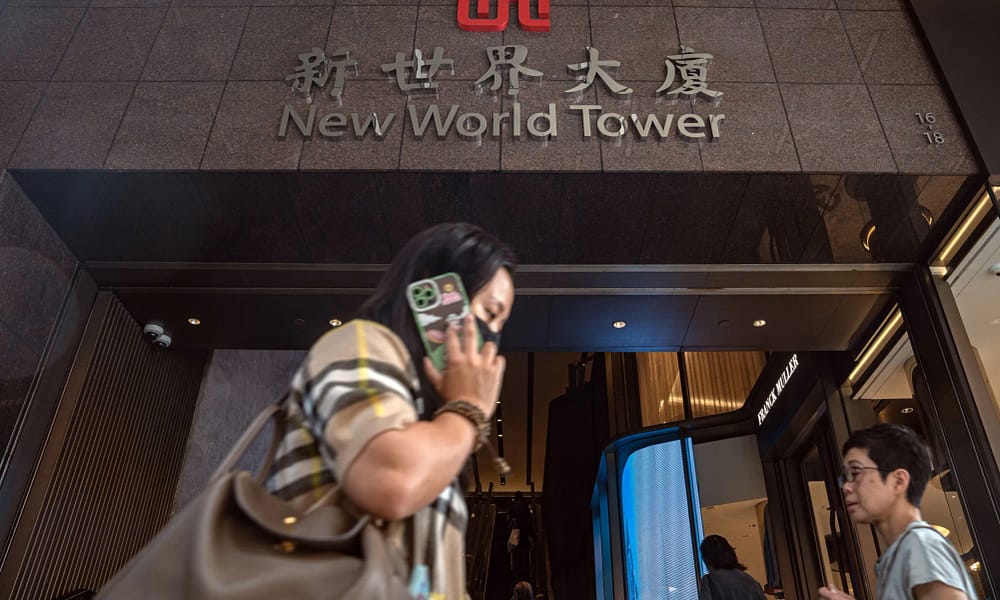
A significant development in Hong Kong’s embattled property sector was announced when New World Development confirmed that commitments had been received for a HK$88.2 billion ($11.24 billion) loan refinancing package. This arrangement, which is poised to rank among the largest refinancing deals ever undertaken in the city, was reportedly finalised following extended negotiations aimed at preventing the company from slipping into financial default. It was noted that this refinancing would act as a critical financial lifeline for the debt-laden developer, which has struggled to maintain liquidity amid a prolonged downturn in the real estate market.
According to sources familiar with the matter, the restructuring of debt obligations was believed to have come after months of strategic consultations with creditors, banks, and stakeholders. The resulting deal was understood to have included a multi-tranche facility with staggered maturities, providing the company with both short-term stability and long-term breathing room. The earliest repayment under the revised structure is expected by June 30, 2028, though additional tranches are believed to follow further down the timeline.
It was revealed that existing offshore unsecured debt, including various bank loans, had been refinanced under the terms of the new agreement. This was reportedly done to harmonise loan covenants and standardise obligations across different credit lines. The updated terms were said to offer more flexibility in managing cash flows and maintaining operations, particularly through new covenants and asset-backed security arrangements.
The announcement came at a crucial moment for New World Development, which has been carrying one of the highest debt burdens in its peer group. Analysts have noted that the company had become a focal point of investor concern, especially after its recent financial and leadership turbulence. In September of the previous year, Adrian Cheng—who had served as CEO—stepped down after the firm posted its first annual loss in more than two decades. His resignation as a non-executive director and non-executive vice-chairman was confirmed through a separate exchange filing issued by the company on the same day as the refinancing announcement.
Cheng’s tenure, which began in 2020 after he succeeded his father as CEO, had been marked by an ambitious expansion into mainland China and broader investments in Hong Kong. At the time of his appointment, the company’s market capitalisation had stood at approximately $12 billion. However, mounting financial pressures and a challenging property environment reportedly hampered many of those expansion efforts, resulting in increased scrutiny over corporate governance and financial management.
Echo Huang, who assumed the role of CEO following Cheng’s departure, issued a statement in which gratitude was expressed to the banking community for its ongoing support. The refinancing, she noted, had been interpreted as a sign of continued confidence in the company’s operations and long-term viability. Huang emphasized that the group’s financial strategy would now focus on debt reduction and improving cash flow, suggesting a shift away from rapid growth toward consolidation and fiscal discipline.
Earlier in the month, temporary relief had been offered to investors when New World successfully made an interest payment on a dollar-denominated bond due June 16. That payment had alleviated immediate fears of default and signaled to markets that a broader refinancing package might be forthcoming. Monday’s confirmation of the refinancing followed media speculation that had hinted at an imminent agreement.
Industry observers interpreted the refinancing deal not only as a lifeline for New World Development, but also as a barometer of investor confidence in Hong Kong’s volatile property market. The willingness of lenders to extend such a large credit facility was taken as evidence that there remained faith in the company’s ability to navigate the current downturn, provided that a more disciplined financial path was pursued.
Despite the relief offered by the refinancing, challenges are expected to remain for New World and other developers operating in the region. The property sector continues to be weighed down by slow sales, falling asset values, and cautious investor sentiment. Nonetheless, the successful renegotiation of debt obligations has been seen as an important first step toward stabilising operations and regaining credibility in financial circles.
Going forward, New World Development’s leadership team is likely to face heightened pressure to deliver on promises of fiscal prudence and operational efficiency. The effectiveness of the company’s turnaround will be closely watched, particularly by creditors who have now staked a renewed vote of confidence in its survival and recovery.