



Banking
Hong Kong retains status as financial hub 25 years after Chinese rule
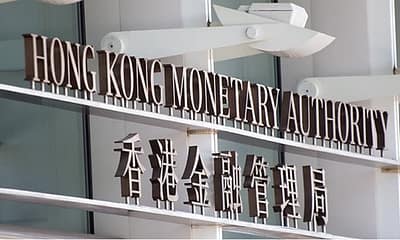
Hong Kong has retained its status as a financial hub and remains a crucial gateway for investment into mainland China, according to some of the city’s top executives. Charles Li, founder of microfinance platform Micro Connect and former CEO of Hong Kong Exchanges and Clearing, is optimistic about the future, saying that he is “convinced that the overall prosperity of Hong Kong will remain as strong as before because Hong Kong retains its value to both sides,” referring to China and the West. Despite political and civil liberties being curtailed, particularly since the introduction of a national security law in 2020, the finance sector has thrived since the handover. Hong Kong’s stock market value has surged to $3.52tn as of end-June, up from $411bn in 1997, and global investors have become increasingly reliant on Hong Kong to trade mainland stocks.
Fred Hu, the founder and chairman of private equity group Primavera, has expressed his belief that Hong Kong will continue to be the most competitive gateway between China and the rest of the world. Despite some concerns from business lobby groups and diplomats over the rule of law and judicial independence in Hong Kong, Hu does not believe that any mainland city will surpass Hong Kong in terms of its importance and competitiveness as a gateway to China.
Over the past few years, Hong Kong has seen a surge in initial public offerings, including Alibaba’s $13 billion secondary listing on the New York Stock Exchange in November 2019. According to Dealogic data, Hong Kong has been the world’s top stock exchange by IPO value seven times since the handover, with 146 companies raising a total of $40 billion on the main board in 2019.
Despite concerns over the outlook for Hong Kong due to an exodus of talent, David Chin, UBS’ head of investment banking for Asia-Pacific, is optimistic about Hong Kong’s future and China’s role on the global stage. Chin emphasizes that Hong Kong is the international gateway for China and its foreign relationships are critical for the city’s success.
Hong Kong is quickly approaching the halfway mark of a 50-year experiment designed to showcase a high degree of autonomy under Chinese rule. On Friday, President Xi Jinping will attend the swearing-in of the city’s new leader, John Lee, and celebrations to mark the handover. Lee, a former security chief who is sanctioned by the United States, will be closely watched by the financial industry, which is eager to bounce back from the COVID-19 restrictions that have led to an exodus of people and a mostly closed border with mainland China for the past two years.
In conclusion, despite some concerns over the outlook for Hong Kong, many industry experts remain optimistic about the city’s future as a competitive gateway between China and the rest of the world. The financial industry is particularly eager to get back on track after the COVID-19 restrictions, and the swearing-in of the city’s new leader will be closely watched to see how Hong Kong’s autonomy under Chinese rule will be maintained.




Banking
The Potential Rebalancing of National Pension Assets and Macroeconomic Policy Coordination in Japan
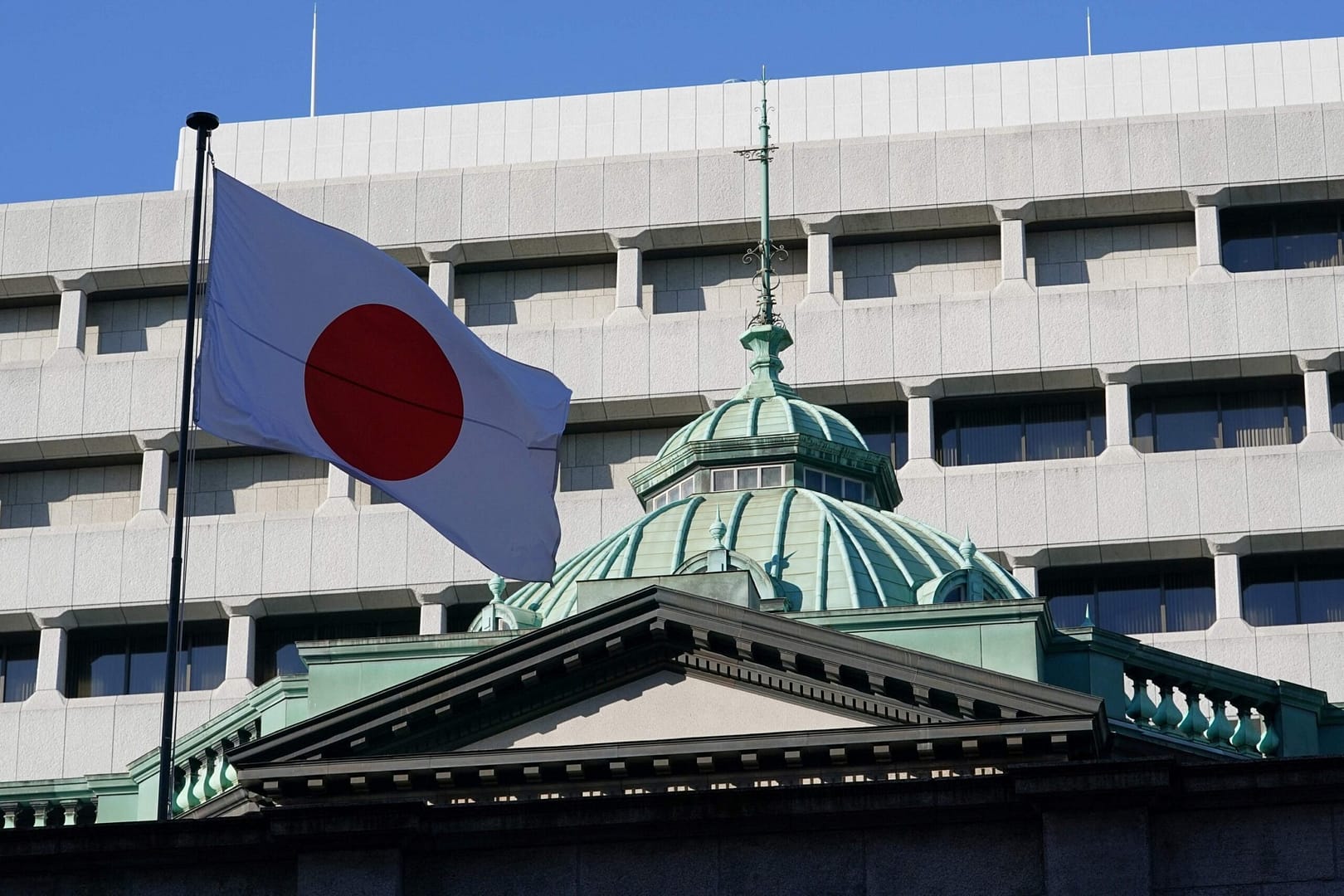
The possibility of strategic modifications to the asset allocation models of Japan’s massive state pension funds was formally flagged by Japanese policymakers on Tuesday. However, no definitive timelines or specific operational metrics regarding any prospective portfolio shifts were disclosed during the official briefings. It was articulated by Finance Minister Satsuki Katayama that adjustments to the fund’s portfolio targets could be evaluated if significant structural shifts are experienced within the global investment environment. It was further noted by the minister that such environmental changes could encompass an enhanced domestic appeal for Japanese financial assets, particularly as growth-oriented economic strategies are aggressively implemented by the federal government.
It was explicitly clarified that any formal policy adjustments must be collaboratively formulated alongside the Ministry of Health, Labour and Welfare, which maintains primary regulatory oversight over the nation’s public pension reserves. In a separate press conference, Health, Labour and Welfare Minister Kenichiro Ueno acknowledged that potential reviews of the Government Pension Investment Fund’s asset framework would be examined if deemed necessary, though the probability of an immediate, near-term structural shift was minimized. It was stated that current market conditions have not deviated significantly from the underlying baseline assumptions established in the fundamental portfolio framework. However, it was emphasized that domestic economic expansion would be actively supported by the fund through a steady increase in capital deployments toward domestic projects, including targeted investments in Japanese private equity markets.
These deliberate ministerial communications served to cool mounting market speculation regarding an imminent operational overhaul at the Government Pension Investment Fund, which stands as the world’s largest institutional pension manager, with an asset base valued at 293.6 trillion yen—equivalent to $1.81 trillion—at the conclusion of March. Because of its immense scale, any significant strategic redirection executed by the institution is recognized as having the potential to send major financial ripples across global capital markets. Initial market volatility had been catalyzed on Friday following prior comments by Minister Katayama, during which it was stated that governmental measures would be sought to encourage public pension entities to allocate substantially greater capital into domestic financial assets. This initial statement triggered an immediate spike in both the valuation of the Japanese yen and the trading yields of Japanese government bonds.
Under its prevailing management architecture, a balanced target strategy is maintained by the fund, wherein equal 25 percent allocations are directed across four primary asset classes: domestic bonds, foreign bonds, domestic equities, and foreign equities. For domestic bond holdings, a permissible deviation range of six percentage points around the central target allocation is structurally authorized. It was reported by informed sources that immediate alterations to these core allocation targets are not currently planned; however, operational flexibility within the existing allowable deviation bands could be utilized to direct expanded capital flows toward domestic holdings without requiring a formal policy revision.
Fiduciary regulations mandate that investment decisions by the fund must be executed solely in the financial interest of pension beneficiaries, thereby prohibiting the direct deployment of institutional assets to advance political or fiscal policy objectives. Nevertheless, it was posited by market analysts that recent ministerial commentary has created an avenue for the fund to expand its holdings of Japanese government bonds within authorized operational ranges. Such a movement could effectively serve to cap escalating bond yields, thereby mitigating sovereign borrowing costs for the government. Furthermore, a substantial repatriation of capital from overseas holdings could provide structural support for the Japanese yen, which has remained depressed near multi-decade lows due to persistent interest rate differentials between Japan and other major global economies.
The broader international implications of these pension management strategies remain subject to strict bilateral agreements. Under a joint diplomatic statement executed in September, an explicit agreement was finalized between United States and Japanese finance ministers stipulating that overseas capital deployments by sovereign investment entities must be guided exclusively by risk-adjusted return parameters and portfolio diversification, rather than currency management targeting competitive exchange rates. When questioned regarding whether her recent public statements regarding the pension fund aligned with these international commitments, it was affirmed by Minister Katayama that no divergence from the joint agreement has occurred, and that continuous, close dialogue remains actively maintained between financial authorities in Japan and the United States.
Banking
The Resolution of Operational Disruptions and Service Restoration at Abu Dhabi Commercial Bank
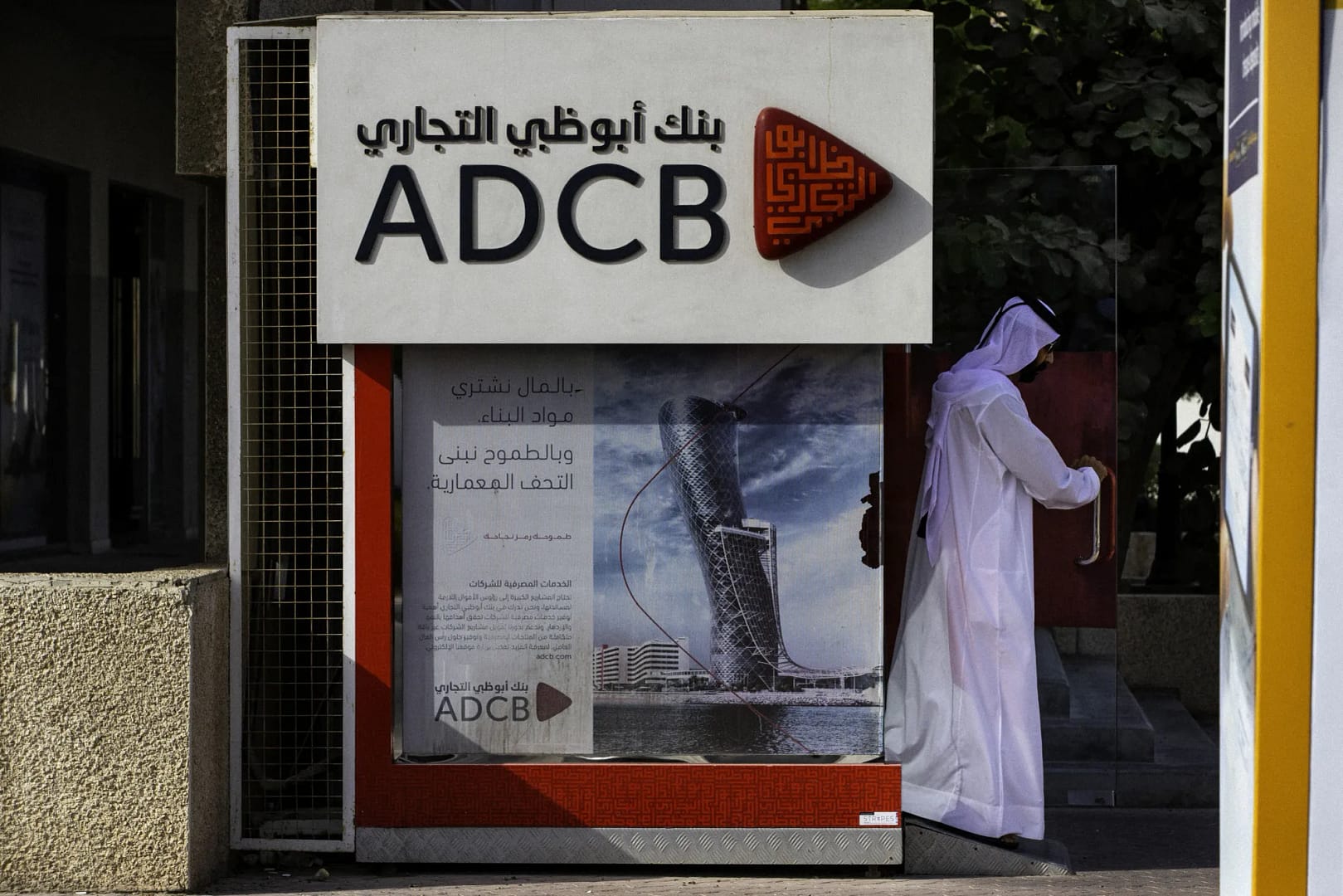
A formal announcement was issued on Monday by Abu Dhabi Commercial Bank, which operates as the third-largest financial lending institution in the United Arab Emirates when measured by aggregate assets, confirming that a complex technology-related operational disruption had been successfully resolved. The technical glitch had caused intermittent interference with specific banking services over the course of the preceding week. While the precise technical cause underlying the systemic failure was not specified by the financial institution, it was acknowledged that the issue had directly impeded the capability of a specific segment of its consumer base to access essential services through the corporate mobile banking application. It was noted that the operational friction was most severely felt within the processing modules dedicated to electronic payments and outbound fund transfers.
The nature of the disruption was characterized by the lender as highly intermittent, with the operational blocks persisting for a duration of only a few hours on the specific days when the system was affected. Crucially, reassurance was extended to the public that at no point during these periods of technical instability were confidential customer data archives or financial account balances exposed to security risks or external vulnerabilities. It was further clarified by the management of Abu Dhabi Commercial Bank that the operational impact of the software glitch had been strictly confined to a particular tier of its consumer banking sector, specifically affecting individuals enrolled in its retail “Aspire” program. Conversely, reassurance was provided that all alternative internal networks, including the critical banking infrastructure and liquidity management portals dedicated to corporate and institutional clients, had remained entirely unaffected, stable, and fully operational throughout the final four days of the service window.
The institutional stability of the financial entity is heavily backed by national governance, as a majority equity stake in the organization is held by the government of Abu Dhabi through its prominent sovereign wealth fund, the Mubadala Investment Company. Because of this deep state integration, the swift restoration of the mobile framework was viewed by regional market analysts as vital for maintaining broader consumer confidence within the digital banking ecosystem of the United Arab Emirates. The incident highlights a growing challenge faced by major banking entities globally, where the rapid transition toward mobile-first retail banking frequently exposes underlying core systems to unexpected software integration conflicts and capacity constraints.
In response to the technical challenges, specialized engineering teams were deployed by the bank to isolate the affected code sequences and fortify the digital architecture against future processing bottlenecks. It was understood that comprehensive diagnostic evaluations were carried out across the network to guarantee that the synchronization between the user interface of the mobile application and the backend transaction ledgers was completely restored. Furthermore, internal protocols were initiated to monitor transaction queues closely, ensuring that any payments or transfers that had been delayed during the periods of intermittent downtime were processed and reconciled without incurring financial penalties for the affected users.
The event also underscores the critical importance of transparent corporate communication during periods of operational vulnerability. By specifying that corporate banking platforms remained uncompromised, the bank effectively insulated commercial trade flows and high-value institutional transactions from market panic. Although the temporary suspension of retail payment features generated minor inconveniences for the Aspire tier consumers, the structural integrity of the wider financial network was preserved. As digital transformation continues to accelerate across the Gulf financial sector, investments in redundant backup systems and real-time network monitoring tools are expected to be significantly escalated by regional institutions to mitigate the financial and reputational hazards associated with unexpected digital downtime. Ultimately, the successful stabilization of the mobile application reflects the operational resilience of the lender and its capability to manage high-pressure technical contingencies under the oversight of its primary state stakeholders.
Banking
The De-escalation of Legal Confrontations Between UniCredit and the Italian Government Over Strategic Banking Regulation and Sovereign Safeguards

The termination of a high-profile legal dispute within the southern European financial sector was confirmed on Monday, as it was revealed through an administrative document seen by Reuters that a formal appeal against the Italian government has been dropped by UniCredit. The litigation had been initiated by the country’s second-largest banking institution in response to the stringent regulatory conditions imposed by Rome during a subsequent failed acquisition attempt for its smaller domestic rival, Banco BPM. According to the court records, the appeal was officially declared as extinguished by Italy’s premier administrative tribunal at the conclusion of May, following a formal withdrawal executed by UniCredit’s legal representatives on April 22.
The judicial determination, which had previously remained undisclosed to the public, marks the conclusion of a complex legal conflict that had significantly strained diplomatic relations between the executive board of the financial conglomerate and the administration of Prime Minister Giorgia Meloni. The initial corporate clash erupted during the preceding calendar year when the voluntary offer for Banco BPM was abruptly rescinded by UniCredit. At that juncture, the collapse of the proposed 15-billion-euro transaction was blamed by corporate planners on excessive state intervention, a disruption that subsequently derailed corresponding government strategies engineered to broker an alternative structural merger between Banco BPM and the state-rescued lender Monte dei Paschi di Siena.
The regulatory hurdles that triggered the litigation had been enacted by state authorities under specialized sovereign protection frameworks, commonly referred to as golden power rules, which are legally designed to shield strategic national assets from adverse external influence. Under these specific national security protocols, it was mandated by the Italian administration that a total cessation of corporate activities within the Russian Federation must be executed by UniCredit. This intervention was justified by state planners as a necessary measure to prevent retail savings collected by Banco BPM from indirectly benefiting the Moscow economy while geopolitical hostilities continue within Ukraine.
An initial judicial challenge resulted in a court ruling that successfully nullified several of the government-mandated conditions, though the core administrative requirement for a comprehensive Russian divestment was legally upheld. This partial resolution subsequently prompted the filing of a second appeal by UniCredit, through which formal judicial recognition was sought to clarify that the banking group’s corporate structure did not constitute a threat to Italy’s sovereign national security. According to an institutional source familiar with the proceedings, the necessary legal clarifications regarding this security status were ultimately secured by the bank through a direct administrative arrangement with the Italian State Attorney’s Office, thereby rendering the continuation of the public lawsuit unnecessary.
The systemic deployment of golden power interventions has frequently been criticized by Italian corporate entities, by whom it is argued that such sovereign protocols result in unwarranted bureaucratic interference in private corporate affairs and create excessive administrative red tape. Under existing statutory frameworks, domestic enterprises are strictly obliged to notify government ministries regarding their long-term strategic plans to avoid severe regulatory infractions and fiscal penalties.
The broader context of the failed consolidation was further illuminated last week by Economy Minister Giancarlo Giorgetti, by whom it was contended that the ultimate abandonment of the Banco BPM buyout offer by UniCredit was driven primarily by intense resistance originating from France’s Crédit Agricole. The French banking institution maintains a dominant position as the primary institutional investor in Banco BPM, commanding an equity stake exceeding twenty percent. Ultimately, the resolution of this legal conflict allows both the state apparatus and the nation’s banking leadership to re-stabilize their cooperative relationship, an equilibrium that will continue to be monitored with close precision by European financial regulators and international market participants over the upcoming fiscal cycle.

The Capitalization of Special Non-Resident Foreign Exchange Deposit Frameworks and Sovereign Reserves Optimization in India

The Potential Rebalancing of National Pension Assets and Macroeconomic Policy Coordination in Japan

The Integration of Advanced Flight Control Systems and Regulatory Alignment in the Hybrid-Electric Aviation Sector

Argentina Explores Debt Management Strategies: Potential Debt Swap and IMF Discussions on the Horizon

Apple Introduces “Tap to Pay” Feature for iPhone, Allowing Contactless Payments

Hedge Funds Capitalize on U.S. Regional Banking Stocks Plunge: Insights and Implications
-
 Banking2 years ago
Argentina Explores Debt Management Strategies: Potential Debt Swap and IMF Discussions on the Horizon
-
 Technology3 years ago
Apple Introduces “Tap to Pay” Feature for iPhone, Allowing Contactless Payments
-
 Banking2 years ago
Hedge Funds Capitalize on U.S. Regional Banking Stocks Plunge: Insights and Implications
-

 Technology2 years ago
Aviation Industry Urges Swift Action Against GPS Spoofing Amid Growing Threats
-

 Technology3 years ago
Bitcoin Weakens as Regulatory Concerns and Market Sentiment Impact Cryptocurrency Market
-

 Business2 years ago
Overcoming Financial Hurdles: TotalEnergies’ Quest for Renewable Energy in Africa
-

 Technology3 years ago
FTX denies talks of acquiring Robinhood
-

 Forex2 years ago
Navigating Risks in Bank-Fintech Partnerships: Insights from U.S. Bank Regulator