

Business
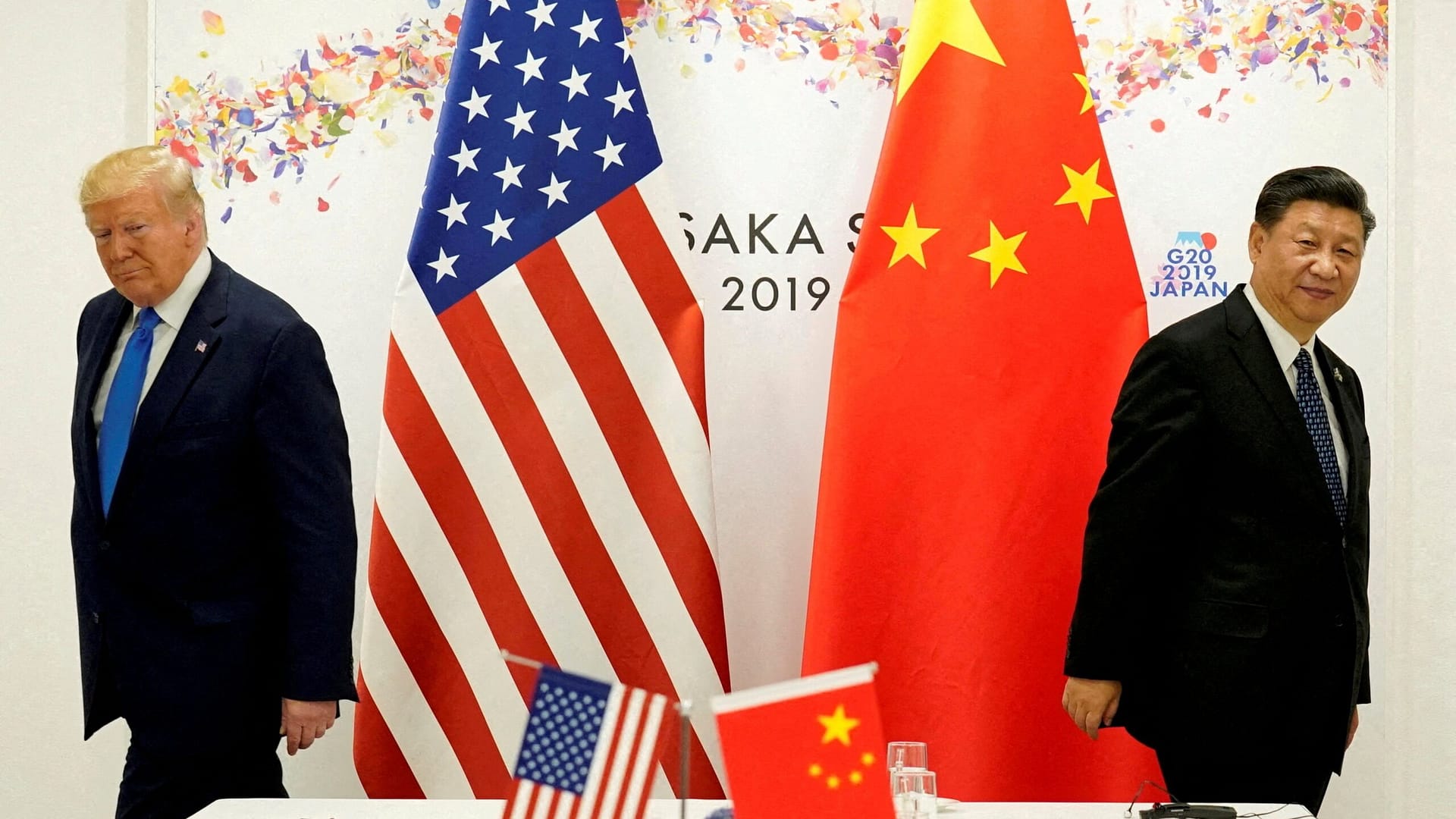
China-U.S. Trade Truce Offers Hope but Lacks Clarity, Leaving Markets on Edge
A tentative truce in the ongoing trade conflict between China and the United States has provided a glimmer of hope to investors who have long awaited signs of resolution between the two global economic powerhouses. While the recent announcement of an agreement between the two nations has been viewed as a potential step forward, the absence of detailed terms has led many to regard the deal as fragile and incomplete, with the possibility of future disputes remaining firmly on the horizon.
The announcement of the agreement was made by U.S. President Donald Trump, who declared that a deal had been reached under which China would supply critical materials such as magnets and rare earth minerals. In return, the United States would continue allowing Chinese students to study at American colleges and universities. While the exchange was presented as a significant development, the exact scope and enforcement mechanisms of the arrangement were not disclosed, leaving observers uncertain about its durability.
On the Chinese side, confirmation of the progress came from Vice Commerce Minister Li Chenggang, who reported that after two days of negotiations, both sides had settled on a framework for trade talks. This framework, it was noted, would now be reviewed by national leadership on both ends before further steps could be taken. However, no formal document or binding agreement was made public, raising questions about how much consensus had truly been reached.
A U.S. official familiar with the matter added that the agreement still allowed Washington to impose a 55% tariff on imported goods from China, suggesting that pressure on Beijing had not been fully lifted and that elements of the trade conflict remained unresolved. This detail, though buried in the broader announcement, has been interpreted by many as a sign that tensions could flare up again if further progress is not achieved.
In financial markets, reactions to the truce were notably mixed. Wall Street stocks experienced a slight dip, while the dollar weakened modestly. Meanwhile, Chinese equities saw a modest rise, with benchmark indexes approaching three-week highs. Despite this, market analysts described investor sentiment as cautious rather than celebratory. The cautious response indicated that while the announcement had temporarily soothed concerns, the broader investment community remained skeptical in the absence of clear outcomes and measurable policy shifts.
Financial strategist Chris Grisanti of MAI Capital Management remarked that the lack of concrete details made it difficult to view the situation as resolved. He noted that although both nations appeared to be presenting the outcome as a success, the underlying tensions had not been fully addressed. Similarly, Oliver Pursche of Wealthspire Advisors observed that the simultaneous declaration of a done deal and a framework for future discussions pointed to contradictions, further contributing to investor hesitation.
Another layer of uncertainty stems from the looming expiration of a temporary 90-day pause on tariffs affecting other U.S. trading partners. This moratorium, set to conclude in early July, has kept global investors on edge, as a failure to extend it or replace it with longer-term agreements could reignite market volatility. In past months, fears of an economic downturn had been triggered by President Trump’s imposition of sweeping tariffs, which caused a sharp market decline in early April, referred to by some analysts as “Liberation Day.” Those fears had only subsided after a significant rollback of the harsher trade measures.
Since then, the S&P 500 index has rebounded by more than 20%, approaching historic highs once again. Although Chinese markets have not fared as well—due in part to domestic economic challenges—they have also recovered much of the ground lost earlier in the year, returning to levels last seen in early April. However, continued investor anxiety over the strength of China’s economy and the fragility of global trade relationships has tempered overall enthusiasm.
Analysts generally agree that the one bright spot in the recent developments has been the apparent willingness on both sides to adopt a more pragmatic tone. This, they say, could create room for further negotiations and eventual resolution. Yet, as has often been the case in the prolonged trade saga between Washington and Beijing, optimism has been quickly followed by renewed friction.
In the end, while the latest agreement may have bought some temporary calm for global markets, its true impact will depend on whether it leads to meaningful, enforceable commitments—or merely postpones the next chapter in a trade war that has already reshaped global economic expectations.












Business
An Examination of Capital Realignment and Asset Divestment in the Middle Eastern Energy Services Sector

A definitive agreement has been reached by the Italian energy contractor Saipem regarding the divestment of its entire shallow-water offshore drilling business located within Saudi Arabia, as was officially announced by the corporation on Wednesday. The transaction, which has been valued at $285 million, is intended to serve as a strategic milestone in the broader corporate initiative to rebalance the organizational portfolio. Through this divestment, the offshore drilling operations of the firm are to be repositioned primarily toward deepwater and harsh-environment activities. It is anticipated by market observers that higher-value-added segments will be strengthened significantly through this capital allocation strategy, thereby enhancing the long-term competitive position of the corporation within the global energy infrastructure landscape.
The binding transaction was executed with ADES Saudi Limited Company, which operates as a direct subsidiary of ADES Holding Company, for the transfer of the total corporate equity stake held in Saudi Arabian Saipem Limited. The regional entity targeted by the sale specializes in shallow-water maritime exploration and maintains operational control over a distinct maritime fleet. This fleet comprises three wholly owned jack-up drilling rigs, which are designated as the Perro Negro 7, the Perro Negro 8, and the Perro Negro 10. Additionally, two leased jack-up assets, identified as the Perro Negro 11 and the Perro Negro 13, are managed under the umbrella of the divested subsidiary.
Operational continuity is also addressed within the framework of the new agreement. A bareboat charter arrangement will be entered into by the participating entities, by which the ongoing exploration activities currently managed by Saipem in Mexico will be permitted to proceed without interruption utilizing the Perro Negro 10 rig. Financial data provided by the parent organization indicated that revenues of $170 million had been generated by Saudi Arabian Saipem Limited over the course of the 2025 fiscal period. Completion of the transaction is projected to occur by the third quarter of 2026, though the final closure remains subject to customary closing conditions, including the receipt of requisite regulatory approvals from the relevant international and domestic governing authorities.
This restructuring reflect a broader macroeconomic trend where legacy oilfield service providers are increasingly pressured to optimize capital efficiency. By shedding low-margin or highly commoditized shallow-water operations in hyper-competitive markets like the Persian Gulf, engineering firms are enabled to redirect technical personnel and capital expenditures toward technologically demanding frontiers. The deepwater sectors, often characterized by complex subsea engineering requirements, command significantly higher day-rates and offer more resilient multi-year contract structures. Consequently, this divestiture is viewed by financial analysts as a calculated move to reduce localized operational overhead while simultaneously de-leveraging the corporate balance sheet through an immediate influx of cash liquidity.
Furthermore, the acquisition of these assets by ADES Holding Company highlights the ongoing consolidation of regional oilfield services by domestic Middle Eastern players. As regional energy giants seek to internalize supply chains and maximize local content, well-capitalized domestic drilling contractors are positioned to absorb international fleets. The integration of the Perro Negro assets into the expanding portfolio of ADES is expected to bolster local capacity in shallow-water extraction, where mature fields continue to demand incremental drilling to sustain output baselines. For Saipem, the retention of the Perro Negro 10 via a charter agreement ensures that existing contractual obligations in North America can be fulfilled without incurring the capital constraints of asset ownership, illustrating a shift toward asset-light operational models in specific geographical zones. Ultimately, the success of this transition will be evaluated by the market based on how efficiently the proceeds are deployed into the high-yield deepwater segments during the post-2026 fiscal periods.
Business
Strategic Acquisition Bids and Institutional Sovereignty within the European Defense Manufacturing Sector

A formal proposal has been extended by the prominent Czech defense industrial conglomerate, CSG, to acquire an equity stake in the Franco-German armored vehicle and tank manufacturing enterprise, KNDS. According to information disclosed on Wednesday by an individual familiar with the corporate negotiations, the acquisition offer was specifically directed toward the German founding families who currently retain ownership of a significant portion of the defense manufacturer. However, it was further indicated by the same source that the proposed transaction is not being actively favored by the proprietary families, by whom a distinct corporate trajectory is currently being prioritized. Instead, the strategic focus of the ownership group is being directed toward the execution of an upcoming initial public offering, alongside the potential sale of an equity tranche directly to the federal government of Germany.
The preliminary corporate approach by the Czech defense entity, which was reported to have transpired over the preceding weeks, was initially brought to public attention by the Financial Times. In response to inquiries regarding the ongoing negotiations, a formal statement was declined by representatives of KNDS, while no immediate commentary was made available by the executive management of CSG. The acquisition bid has materialised at a critical juncture, precisely as the German families, who collectively command a 50% proprietary stake in KNDS, are aggressively pursuing the structural arrangements necessary for a public market debut.
Simultaneously, alternative avenues of state-backed capitalization are being explored, with indications emerging on Tuesday that the German sovereign apparatus is moving closer to securing a direct stake in KNDS prior to the launch of the initial public offering. This state-level intervention is being driven by a political imperative to safeguard vital national security interests and protect domestic defense industrial capabilities. It was revealed that a formal letter of intent had been dispatched by government officials to the owning families, within which an explicit interest in acquiring a substantial equity holding, ranging between 30% and 40% of the company, was outlined. The remaining 50% of the defense manufacturer continues to be held under the sovereign ownership of the French state, reflecting the bilateral, cross-border foundational nature of the enterprise.
According to preliminary valuation models formulated by financial analysts, the successful execution of an initial public offering could potentially value the consolidated KNDS entity at approximately 20 billion euros, which is equivalent to roughly $23 billion. This benchmark stands in notable contrast to the recent public market experiences of the bidding entity, CSG, whose own initial public offering executed earlier in the current calendar year had initially valued the corporation at 25 billion euros. Since that period, however, a significant contraction in market capitalization has been sustained by the Czech group, with its total market value receding to less than 16 billion euros. This downward valuation adjustment has been largely attributed to a broader, sector-wide retreat in defense and aerospace equities, which have faced systemic corrections across international exchanges.
In addition to broader macroeconomic pressures, the financial standing of the Czech conglomerate has been further complicated by localized controversies. Serious allegations had been leveled against the firm by the short-selling research entity Hunterbrook Media, by which the fundamental business model and actual manufacturing output capacities of the defense group were publicly brought into question. Although these analytical claims were forcefully rejected and denied by the executive board of CSG, the negative publicity nevertheless exerted considerable downward pressure on the company’s equity value during the month.
The compounding impact of these market factors was evidenced on Wednesday, when a further depreciation of 3.1% was sustained by the company’s shares, culminating in a trading price of 15.40 euros. This valuation represents a substantial decline from the original public offering benchmark of 25 euros, highlighting the volatile financial landscape within which these multi-billion-euro consolidation efforts are currently being negotiated. The outcome of these competing interests between private conglomerates, sovereign states, and founding families will ultimately dictate the future governance structure of continental Europe’s heavy military manufacturing pipeline.
Business
The Strategic Ascendance of Specialized Dermatology and the Mitigation of Global Fiscal Volatility

A significant surge in the financial performance of the Swiss skincare organization Galderma was documented on Thursday, as it was revealed that first-quarter sales had experienced a substantial increase of 25.5% in constant-currency terms. The total revenue for the period was reported at $1.47 billion, a milestone that has served to bolster investor confidence in the Zug-based group. This growth was primarily fueled by an exceptional demand within the United States market, where sales were observed to have surged by 41.5% year-on-year during the January–March interval. Following the dissemination of these results, a notable appreciation in the company’s market valuation was recorded, with shares rising by more than 6% during morning trading on the Swiss stock exchange.
The institutional response to these figures has been characterized by a reinforced sense of confidence regarding the 2026 fiscal outlook. It was articulated by the organization that the strong commencement of the year has effectively de-risked its previous financial guidance, providing the necessary latitude to navigate an increasingly volatile global environment. A particular focus has been placed on the potential impact of United States trade policies, specifically the imposition of tariffs. It was maintained by the firm’s leadership that its exposure to these fiscal measures is expected to remain manageable throughout the current year. This assessment is supported by the group’s robust operational momentum and its ability to absorb external economic pressures without compromising its strategic objectives.
The primary driver of the sales expansion in the United States has been identified as the high demand for specialized dermatological products, particularly across prominent e-commerce platforms such as Amazon. Significant success was noted in the performance of the injectable dermatitis treatment Nemluvio, which is reported to have seen very strong sales figures. It was suggested by the executive leadership that Galderma is successfully capturing a larger portion of the U.S. market share, a development that underscores the efficacy of its targeted skincare and injectable aesthetics portfolio. This growth in digital commerce reflects a broader transition in consumer behavior, where specialized medical-grade skincare is increasingly accessed through direct-to-consumer digital channels.
In addition to trade-related considerations, the organization is currently monitoring the legal landscape surrounding historical tariff structures. Following rulings by the U.S. Supreme Court that struck down certain tariff mandates, the process of managing potential refunds is being closely observed. It was confirmed by the Chief Executive, Flemming Ornskov, that while the group is investigating how these refunds are being handled across the industry, any financial adjustments related to these amounts are not expected to materially alter the group’s 2026 financial projections. This stability is viewed as a testament to the conservative and resilient financial planning that has characterized the group since its public listing just over two years ago.
The geopolitical climate, specifically the ongoing conflict in the Middle East, has also been identified as a potential source of economic disruption. However, it was reported that the group has successfully mitigated any adverse effects on its supply chain. It was maintained that no significant impact on supply costs has been observed at this stage, a stability that is credited to the maintenance of a highly diverse and geographically distributed supply chain. This structural diversity is perceived as a mechanical necessity in the modern “Muskonomy,” where the ability to source materials from multiple independent jurisdictions is critical for maintaining consistent production levels amidst regional instability.
From a broader sectoral perspective, the performance of Galderma serves as a definitive indicator of the resilience of the premium dermatology market. Unlike broader consumer goods, which may experience fluctuations based on discretionary spending shifts, specialized dermatological treatments are often characterized by a higher degree of consumer loyalty and medical necessity. The transition of the firm from a privately held entity to a prominent public company has been marked by a consistent ability to exceed market expectations, even as the global trade environment becomes increasingly fragmented.
Ultimately, the first-quarter results provide a robust foundation for the remainder of the 2026 fiscal year. The ability of the Swiss firm to synchronize aggressive growth in the North American market with a disciplined approach to global supply chain management highlights its competitive advantage. As the year progresses, the focus of the organization is expected to remain on the continued expansion of its injectable and therapeutic portfolios while maintaining a vigilant posture regarding international trade regulations and energy-related cost fluctuations. The significant jump in share value documented on Thursday reflects a market consensus that the group is well-positioned to sustain its trajectory of growth, regardless of the complexities inherent in the current global economic order. Through a combination of technological innovation in skincare and strategic fiscal resilience, the organization continues to solidify its role as a leader in the global dermatology landscape.

RBI Actions, Global Cues Set to Shape Rupee and Bond Markets This Week

Reform UK Gets 75% of Quarterly Donations From Trump-Pardoned Crypto Entrepreneur

Amazon Drone Delivery Expansion Is Planned Across About 500 US Locales

Argentina Explores Debt Management Strategies: Potential Debt Swap and IMF Discussions on the Horizon

Apple Introduces “Tap to Pay” Feature for iPhone, Allowing Contactless Payments

Hedge Funds Capitalize on U.S. Regional Banking Stocks Plunge: Insights and Implications
-
 Banking3 years ago
Argentina Explores Debt Management Strategies: Potential Debt Swap and IMF Discussions on the Horizon
-
 Technology3 years ago
Apple Introduces “Tap to Pay” Feature for iPhone, Allowing Contactless Payments
-
 Banking2 years ago
Hedge Funds Capitalize on U.S. Regional Banking Stocks Plunge: Insights and Implications
-

 Technology2 years ago
Aviation Industry Urges Swift Action Against GPS Spoofing Amid Growing Threats
-

 Technology3 years ago
FTX denies talks of acquiring Robinhood
-

 Technology3 years ago
Bitcoin Weakens as Regulatory Concerns and Market Sentiment Impact Cryptocurrency Market
-

 Business2 years ago
Overcoming Financial Hurdles: TotalEnergies’ Quest for Renewable Energy in Africa
-

 Forex2 years ago
Navigating Risks in Bank-Fintech Partnerships: Insights from U.S. Bank Regulator