



Forex
Crypto Surge: Chinese Investors Navigate Regulatory Grey Areas, Flocking to Bitcoin Amid Economic Challenges
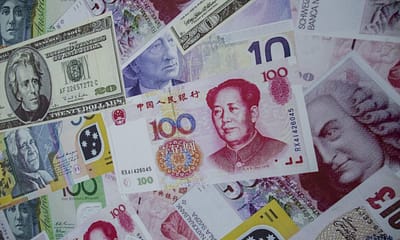
In the face of China’s economic challenges and a declining stock market, many Chinese investors are turning to cryptocurrencies as an alternative investment strategy. Dylan Run, a finance executive in Shanghai, began diversifying his portfolio into cryptocurrencies in early 2023, viewing Bitcoin as a safe haven akin to gold. Despite the ban on crypto trading and mining in China since 2021, investors like Run have found creative ways to navigate the restrictions.
To circumvent the ban, Chinese investors like Run utilize bank cards issued by small rural commercial banks to purchase cryptocurrencies through grey-market dealers, keeping transactions limited to 50,000 yuan to avoid scrutiny. Run’s crypto investments now constitute half of his portfolio, outperforming the sinking Chinese equities market, which has experienced a downward trend for three years.
This trend is not unique to Run; an increasing number of Chinese investors are exploring unconventional avenues to access cryptocurrencies they believe are more secure than traditional investments in domestic stocks and properties. Although cryptocurrency trading is prohibited in mainland China, individuals can still trade tokens like Bitcoin on global exchanges such as OKX and Binance, or through over-the-counter channels. Additionally, mainland investors can open overseas bank accounts to engage in crypto transactions.
The economic downturn in China has heightened the perceived risk of investments within the country, prompting individuals to seek offshore asset allocation. The cryptocurrency market, operating in a regulatory grey area, has become an attractive option for those looking to diversify their portfolios. After Hong Kong’s explicit support for digital assets, Chinese citizens are leveraging their $50,000 annual forex purchase quotas to invest in cryptocurrencies in the territory, despite regulatory restrictions limiting the use of funds for purposes such as overseas travel or education.
Financial institutions in Hong Kong are also witnessing increased interest from their Chinese counterparts, exploring crypto-related businesses as a means of growth in the face of limited opportunities at home. The Hong Kong subsidiaries of major Chinese entities like Bank of China, China Asset Management (ChinaAMC), and Harvest Fund Management Co are actively exploring digital asset businesses in the territory.
Despite the ban on crypto trading, access to Bitcoin remains relatively accessible in mainland China. Leading exchanges such as OKX and Binance still offer services for Chinese investors, guiding them to use fintech platforms like Alipay and WeChat Pay to convert yuan into stablecoins for crypto trading. Chainalysis reports a rebound in crypto-related activities in China, with the country’s global ranking in peer-to-peer trade volume jumping significantly.
Offline crypto exchange stores have emerged on the streets of Hong Kong, providing lightly regulated platforms for cryptocurrency transactions. Chainalysis estimates that China’s crypto market recorded substantial transaction volumes, primarily through over-the-counter and grey-market peer-to-peer channels.
Chinese investors, disillusioned with traditional investment avenues like stocks and real estate due to poor performances, are finding refuge in Bitcoin. China’s crackdown on the property sector, coupled with the stock market’s decline, has led many to explore the potential of cryptocurrencies. Bitcoin, known for its price volatility, has surged by 50% since mid-October, providing an attractive alternative for investors seeking opportunities outside traditional markets.
Some investors, like Charlie Wong, see China’s regulatory moves, particularly the endorsement of crypto trading in Hong Kong, as a strategic response to the disruptive potential of Bitcoin. Despite concerns, Chinese officials appear cognizant of the cryptocurrency’s enormous potential, endorsing crypto trading in financial hubs like Hong Kong to maintain a presence in the booming crypto industry.
As Chinese investors continue to explore alternative investment options in cryptocurrencies, the grey area in which these activities occur raises questions about the potential evolution of China’s stance on digital assets and the role Hong Kong may play as a testing ground for such efforts.








Forex
Unexpected Canadian Inflation Tightens Yield Gap, Complicating Central Bank Policy Outlook
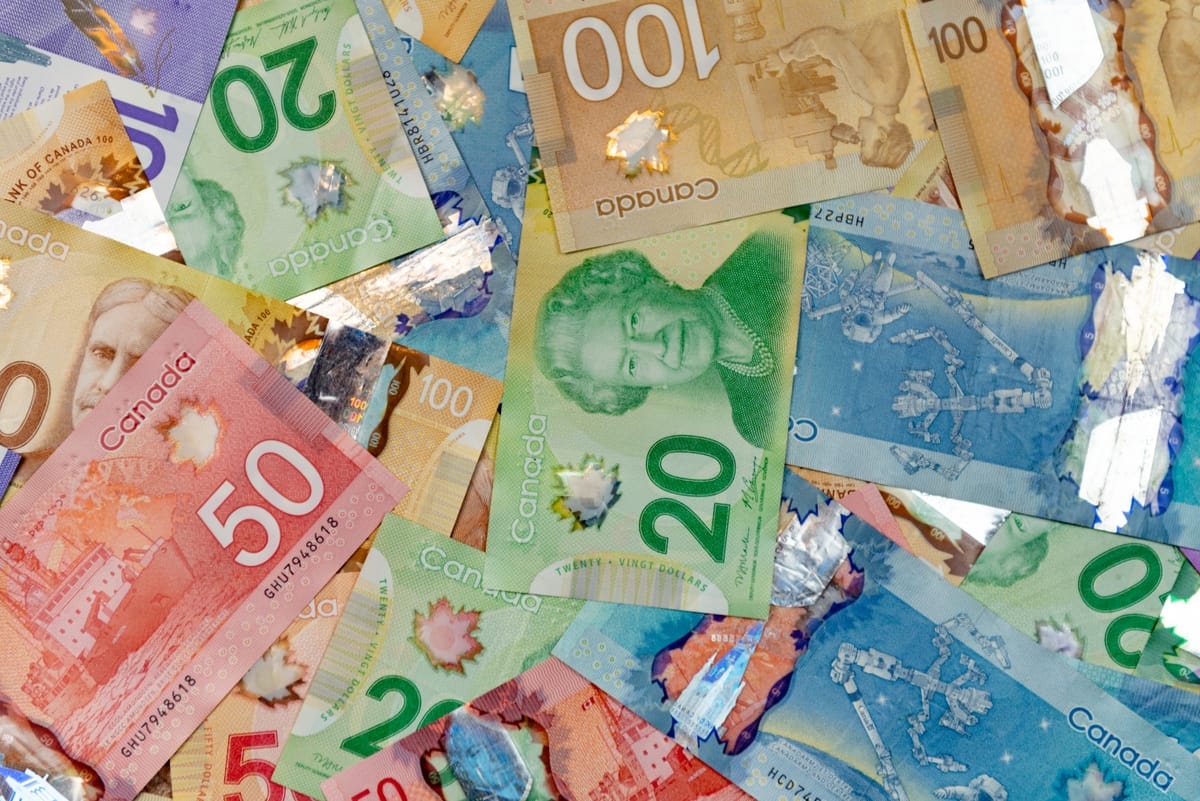
A notable strengthening was registered for the Canadian dollar against its American counterpart on Tuesday, a movement that was perceived to be a direct consequence of the narrowing of the yield differential observed between Canadian and U.S. government bonds. This adjustment in the fixed income markets was primarily precipitated by the public release of domestic economic statistics, which provided evidence that the nation’s inflation rate had accelerated to its highest level in seven months. The national currency, frequently referenced as the loonie, was observed to be trading 0.1% higher at a rate of 1.4020 per U.S. dollar, a valuation equivalent to 71.33 U.S. cents. Trading activity during the day had been confined within a relatively narrow span, with the rate fluctuating between 1.4004 and 1.4065. This performance constituted a mild recovery for the currency after it had earlier fallen to a six-month low of 1.4079 in the trading sessions of the preceding week.
The broader environment of global currency exchange was also taken into consideration. It was noted that the U.S. dollar, widely known as the greenback, had generally appreciated against a weighted basket of other major global currencies. This overall strength in the U.S. currency was largely assigned to external economic and political dynamics, most notably the political shifts taking place in Japan, where the process of electing a new prime minister was reported to be placing considerable downward pressure on the value of the yen. Despite the clear prevailing strength exhibited by the U.S. dollar, it was articulated by a chief market strategist at Bannockburn Global Forex that while the Canadian economy and its currency often display resilience when the U.S. dollar is strong, the more decisive influence on the loonie’s appreciation was the announcement of the higher-than-expected Consumer Price Index data. The surprising acceleration of domestic price pressures was thus judged to have provided a stronger and more immediate impetus for the Canadian dollar’s upward movement than could be explained by external currency dynamics alone.
The official statistics confirmed that Canada’s annual inflation rate had demonstrably increased to 2.4% in the month under review. This figure established the highest level recorded since February and represented a clear and measurable acceleration from the 1.9% rate that had been recorded in August. This inflationary surge was mainly driven by the combined effects of two core components of the price index. Firstly, a smaller year-over-year decline was recorded in gasoline prices when compared with the statistical results of the previous month. Secondly, a sustained and significant rise was noted in the cost of food purchased by consumers. The collective market expectation had generally been for a less pronounced price increase, with the average forecast from economists placing the Consumer Price Index rise at only 2.3%. Consequently, the realized figure of 2.4% introduced a small but impactful element of surprise into the prevailing macroeconomic forecast for the country.
The subsequent market reaction observed in the Canadian dollar was interpreted as robust, yet further analysis suggested that the high likelihood of an imminent monetary policy easing was still being factored into asset valuations. It was specifically observed that a high probability of a rate cut by the Bank of Canada, BoC, was being actively priced in for the central bank’s upcoming policy decision, which was scheduled for October 29th. The estimated probability of the central bank proceeding with a decision to lower its benchmark interest rate was approximated to be 80%. However, it was also noted that this estimated probability had experienced a slight decrease from 86% immediately prior to the release of the inflation data. This persistently high expectation for a rate cut was considered particularly noteworthy, especially since the central bank had already adjusted its policy rate to a three-year low of 2.50% in the preceding month, which marked the first such policy adjustment since March. The market’s continuing anticipation of further easing, despite the release of hotter inflation data, suggested that widespread concerns regarding global economic deceleration or a firm belief in previous central bank guidance were collectively outweighing the immediate signals emanating from domestic price pressures.
The parallel movements observed in the domestic bond market provided clear confirmation of a necessary reevaluation of the monetary policy trajectory. Canadian bond yields were pushed higher across the entire yield curve. The yield on the 2-year note, in particular, was up by 4.8 basis points, reaching a level of 2.402%. This upward adjustment in bond yields, which was directly influenced by the higher-than-expected inflation figures, immediately impacted the critical bond yield differential with the U.S. market. The gap existing between the Canadian 2-year yield and the equivalent U.S. rate was observed to have narrowed by 5.9 basis points. Even with this narrowing, however, the U.S. note was reported to still maintain a significant premium of approximately 105 basis points. The technical effect of this yield spread narrowing, which implies a marginal improvement in the relative attractiveness of Canadian dollar-denominated assets, was identified as the primary financial mechanism that provided critical support for the Canadian currency.
A degree of supplementary support for the currency was afforded by the small recovery witnessed in the price of oil. This commodity remains one of Canada’s most important exports, and its price was recorded as being up by 0.1%, trading at 57.91 dollars a barrel. This modest gain served to recover a small portion of the declines that had been recorded in the price of the commodity in recent trading sessions. Although the immediate impact of the oil price movement was considered marginal, the general positive sentiment in the commodity market contributes tangibly to the overall health of the Canadian economy and, consequently, exerts a positive influence on the strength of its currency. The overall financial picture that was presented was one where the unexpected increase in domestic inflation statistics clashed directly with pervasive market expectations of further monetary policy easing, a conflict which resulted in a temporary strengthening of the currency that was driven predominantly by technical adjustments observed in the bond market. The ultimate trajectory of the Canadian dollar was, therefore, perceived to be in a state of suspense, awaiting the crucial policy decision that was expected to be made by the Bank of Canada later in the week.
Forex
Political Interference and Monetary Policy: A Delicate Balance
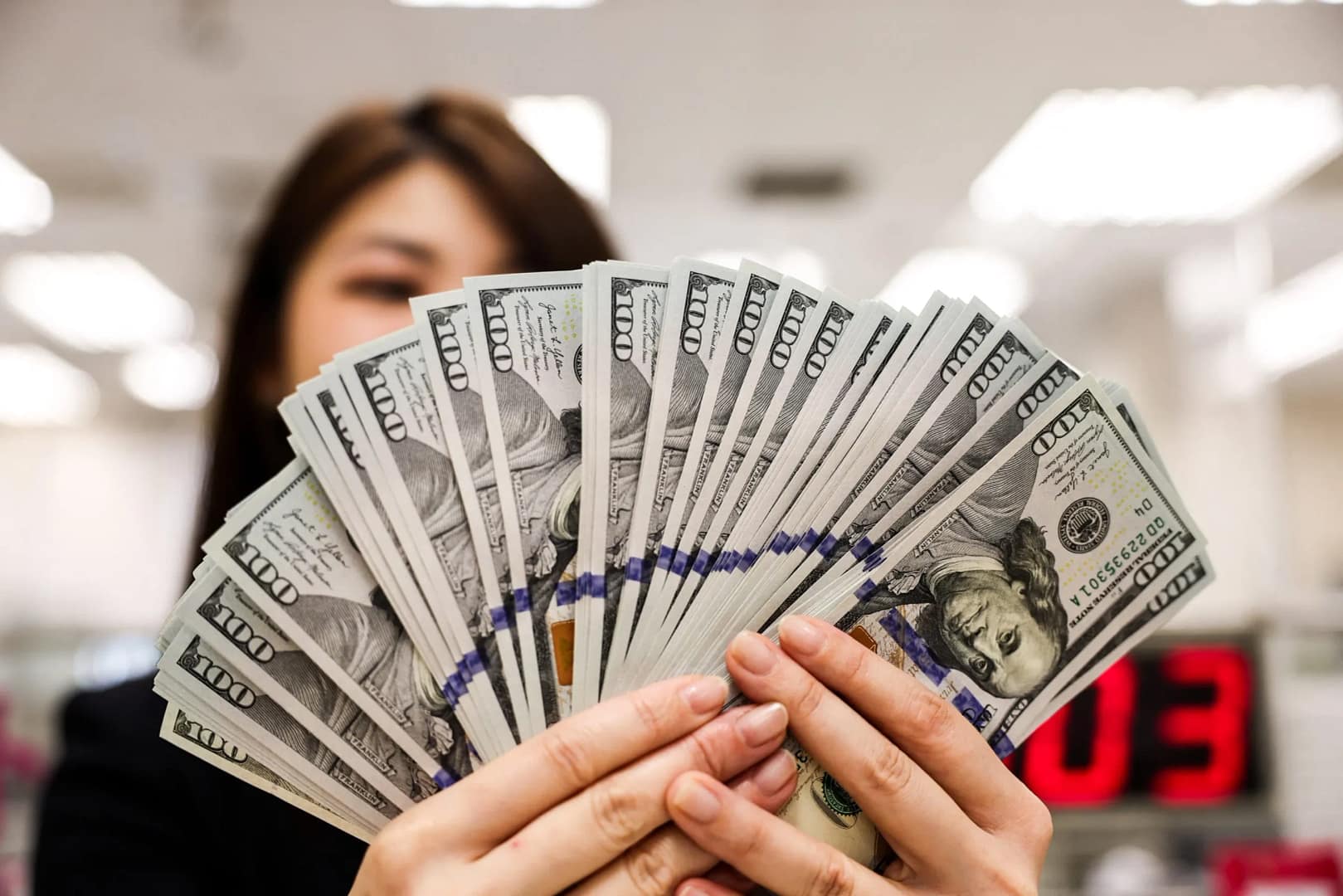
The value of the U.S. dollar experienced a decline on Wednesday following a public call from U.S. President Donald Trump for Federal Reserve Governor Lisa Cook to resign. This action was reportedly based on allegations made by a political ally regarding mortgages held by Cook. The move was seen as an escalation of the president’s attempts to exert influence over the nation’s central bank. However, the dollar later recovered some of its value after the release of minutes from the latest Fed meeting, which indicated that only two policymakers had supported an interest rate reduction the previous month.
It was reported by the Wall Street Journal that the president had also told aides he was considering an attempt to remove Cook from her position. This was viewed by market strategists as a clear instance of political interference in the independence of the Federal Reserve, a development that markets had reacted to negatively. The president has been openly critical of Fed Chair Jerome Powell, accusing him of being too slow to cut interest rates. As a result, traders have been anticipating that a more accommodating, or dovish, appointment would be made to replace Powell when his term concludes in May.
However, the situation is said to be more complex due to the possibility that Powell might choose to remain on the board of governors. This would limit the number of appointments the president could make and could hinder any plans to establish a more dovish composition of policymakers. It has been suggested that the president’s actions are a thinly veiled attempt to gain control of the Federal Reserve. One strategist noted that if Powell does not step down as a governor after his term as chair ends, the president’s only appointment would be to the vacant seat that was temporarily filled by a different individual.
The dollar’s value came off its lows following the release of the Fed meeting minutes from July 29-30. The document showed that the two policymakers who had dissented against the decision to leave interest rates unchanged did not appear to have been joined by others in their support for a rate cut at that meeting. The dollar index, which measures the greenback’s value against a basket of other currencies, was last down by 0.13% at 98.20, while the euro was up by 0.09% at $1.1657. In a related development, U.S. stocks concluded the day lower, with the Dow, S&P 500, and Nasdaq all experiencing declines.
The Japanese yen strengthened by 0.32% against the dollar, reaching 147.2 per dollar. The markets have been closely watching for any signs of a potential interest rate cut at the upcoming Fed meeting in September. Particular attention is being paid to a speech by Fed Chair Powell at the Jackson Hole meeting on Friday, as traders are hoping for clarity following a recent weak jobs report. Powell has previously indicated a reluctance to cut rates, citing concerns that the president’s tariff policies could lead to increased inflation. Although July’s consumer price inflation data showed a limited impact from tariffs, a hotter-than-expected producer price inflation report has tempered expectations for the number of rate cuts that are likely to occur this year.
Currently, traders in the fed funds futures market are pricing in an 83% probability of a rate cut next month and 54 basis points of cuts by the end of the year. Meanwhile, other currencies have also been affected by global economic developments. The New Zealand dollar fell by 1.12% to a four-month low of $0.5826 after the country’s central bank reduced its policy rate to a three-year low of 3.00% and signaled that further reductions could be made in the coming months due to domestic and global economic headwinds. The Swedish crown, however, strengthened slightly by 0.1% to 9.59 after its central bank maintained its key interest rate at 2.00%, as had been widely anticipated. In Britain, the pound weakened by 0.3% to $1.3449 following the release of July’s inflation data, which showed the highest rate in 18 months. However, this was not seen as a factor likely to sway the policy of the Bank of England, as food inflation, a key concern for the central bank, had not changed significantly.
Forex
Ugandan and Zambian Currencies Projected to Strengthen as Nigerian and Ghanaian Units Hold Steady
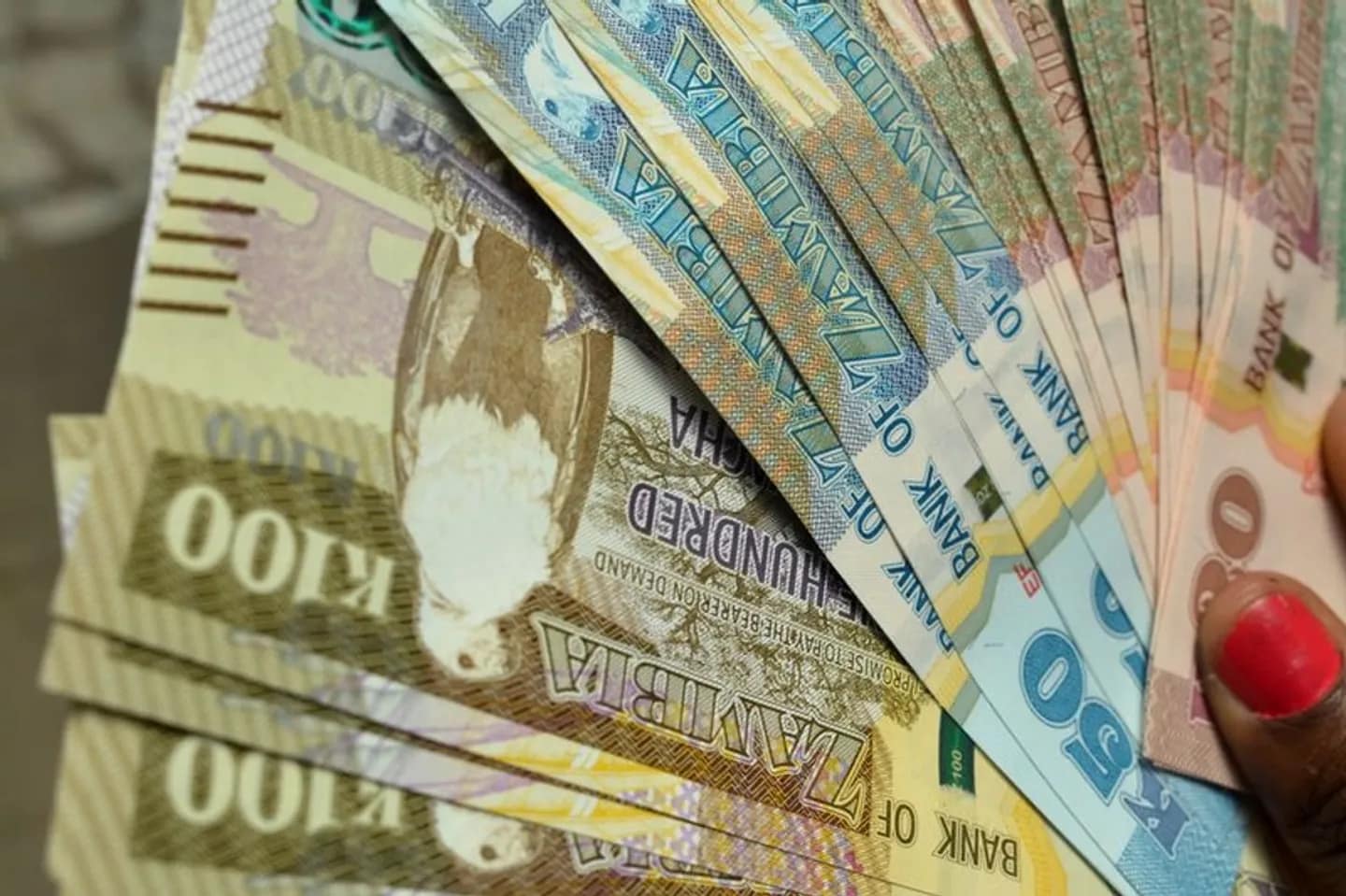
Currency traders have indicated that the Ugandan and Zambian currencies are expected to appreciate modestly over the coming week, while the Nigerian naira and Ghanaian cedi are likely to remain largely unchanged. These forecasts were shared as of Thursday, reflecting regional foreign exchange market dynamics and the influence of central bank actions and sectoral inflows.
In Uganda, the local shilling was quoted at 3,578/3,588 to the U.S. dollar on Thursday, maintaining a stable position compared to its closing level the previous week. Traders attributed this stability, and the potential for slight appreciation, to subdued demand for foreign currency from importers. One dealer explained that demand for hard currency from the importer side had remained flat, with no indications of a rebound in sight. According to market participants, the restrained appetite for U.S. dollars has likely stemmed from reduced consumer spending domestically, which has in turn dampened the need for imports.
Meanwhile, in Zambia, the kwacha was expected to extend its gains from earlier in the week, supported by improved foreign currency supply. Commercial banks reported the kwacha at 23.20 per dollar on Thursday, strengthening from the 24.39 level quoted a week earlier. This appreciation was largely attributed to inflows from the mining sector, which remains a key source of foreign exchange for the Zambian economy. Traders noted that higher dollar receipts from copper and other mineral exports have improved liquidity in the market, bolstering the local currency.
In contrast, Nigeria’s naira was projected to continue trading within a narrow band in the coming days. The naira was seen at approximately 1,533 to the dollar in intraday trading on Thursday, compared to the prior week’s closing level of 1,524.50. On the parallel market, street traders were quoting the naira around 1,535 to the dollar. According to one trader, the currency was not expected to weaken significantly from current levels, due in large part to ongoing interventions by the Central Bank of Nigeria, which has continued to sell dollars to support the exchange rate and contain volatility.
The Ghanaian cedi was also forecast to remain steady in the near term, with traders citing continued central bank support as a stabilizing factor. The cedi was last observed at 10.40 to the dollar, slightly weaker than the 10.35 level recorded a week earlier. Market data suggested that central bank auctions and healthy foreign reserves — reportedly exceeding targets set by the International Monetary Fund — have helped keep the currency from slipping further. One dealer remarked that while demand for U.S. dollars has been building, central bank interventions have thus far succeeded in offsetting the upward pressure on the exchange rate.
These projections came amid broader discussions about the impact of central banks’ policies, commodity-driven inflows, and domestic economic activity on currency performance across Africa. The muted consumer demand in Uganda and the robust mining revenues in Zambia were highlighted as key differentiators shaping each country’s outlook. In Nigeria and Ghana, the role of central banks in stabilizing markets through dollar sales and reserve management continued to be underscored by traders.
These currency developments are being closely monitored by regional businesses, investors, and policymakers, as exchange rate movements influence import costs, inflation, and trade competitiveness. Analysts have noted that the interplay between supply-side factors, such as export earnings and remittances, and demand-side factors, such as import needs and speculative activity, will remain crucial in determining currency trajectories in the weeks ahead.
The cautious optimism expressed by traders regarding the Ugandan and Zambian currencies reflects a broader confidence in the ability of natural resource sectors and prudent monetary policy to support stability. At the same time, the restrained outlook on the Nigerian and Ghanaian units highlights the continued challenges posed by structural issues and external vulnerabilities in these economies.
The findings were compiled from reports by correspondents in Kampala, Lusaka, Lagos, and Accra, with editing assistance provided to ensure clarity and consistency.

Strategic Plan Demanded as Bank of America Seeks to Close Performance Gap with Key Rivals

Major European Media Conglomerate Expands into Gaming with Acquisition of Leading Betting Firm

Unexpected Canadian Inflation Tightens Yield Gap, Complicating Central Bank Policy Outlook

Argentina Explores Debt Management Strategies: Potential Debt Swap and IMF Discussions on the Horizon

Apple Introduces “Tap to Pay” Feature for iPhone, Allowing Contactless Payments

Hedge Funds Capitalize on U.S. Regional Banking Stocks Plunge: Insights and Implications
-
 Banking2 years ago
Argentina Explores Debt Management Strategies: Potential Debt Swap and IMF Discussions on the Horizon
-
 Technology3 years ago
Apple Introduces “Tap to Pay” Feature for iPhone, Allowing Contactless Payments
-
 Banking2 years ago
Hedge Funds Capitalize on U.S. Regional Banking Stocks Plunge: Insights and Implications
-

 Technology2 years ago
Aviation Industry Urges Swift Action Against GPS Spoofing Amid Growing Threats
-

 Technology2 years ago
Bitcoin Weakens as Regulatory Concerns and Market Sentiment Impact Cryptocurrency Market
-

 Business2 years ago
Overcoming Financial Hurdles: TotalEnergies’ Quest for Renewable Energy in Africa
-

 Technology3 years ago
FTX denies talks of acquiring Robinhood
-

 Forex1 year ago
Navigating Risks in Bank-Fintech Partnerships: Insights from U.S. Bank Regulator