


Finance
The Strategic Reconfiguration of Italian Finance: Analyzing the Integration of Monte dei Paschi di Siena and Mediobanca Amidst Institutional Realignment
A significant phase in the consolidation of the Italian banking sector was documented on Tuesday, February 10, 2026, as the leadership of Monte dei Paschi di Siena (MPS) articulated plans to finalize a comprehensive group reorganization by the conclusion of the current fiscal year. Following the strategic acquisition of Mediobanca, the focus of the executive board has shifted toward the maximization of structural savings and the realization of approximately 700 million euros in projected synergies. This development represents a pivotal chapter for MPS, an institution that was rescued by the state in 2017 and subsequently reprivatized through 2024, now finding itself at the center of a transformative wave of mergers and acquisitions.
The integration process is being overseen by Chief Executive Officer Luigi Lovaglio, who is currently seeking a new term with the support of the Italian Treasury and the bank’s primary shareholder, Delfin. However, the governance of the combined entity remains a subject of intense deliberation among its principal investors. While the Treasury and Delfin have signaled their backing for the current leadership, the second-largest investor, Francesco Gaetano Caltagirone, has yet to provide formal support. These internal dynamics are complicated by differing visions for the future of Mediobanca; while some factions advocate for a complete delisting of the remaining 14% of Mediobanca shares to facilitate full integration, others are perceived to favor a greater degree of autonomy for the prestigious investment bank.
Reflecting these ongoing negotiations, it was confirmed on Tuesday that Mediobanca will, for the time being, remain a separate legal entity. Its operational focus will continue to be centered on private, corporate, and investment banking services. A final determination regarding the potential privatization and delisting of the unit is expected to be unveiled during a high-stakes strategy presentation scheduled for February 27. It has been emphasized by the executive leadership that a full integration is the most effective mechanism for capturing the maximum level of value and efficiency from the tie-up, particularly as the group seeks to leverage its new position to influence the broader domestic financial landscape.
The acquisition has also granted MPS a strategic foothold in Generali, the largest insurance provider in Italy and a cornerstone of the nation’s financial infrastructure. This indirect stake is particularly significant given that both Delfin and Caltagirone maintain substantial independent interests in the insurer. Consequently, the redesign of the MPS-Mediobanca group is viewed as a precursor to a potential second round of mergers and acquisitions within the Italian finance sector, as stakeholders move to consolidate their influence over prized national assets.
Amidst this structural realignment, a criminal investigation has been initiated by authorities in Milan regarding allegations of hidden coordinated action among key shareholders during the initial takeover phase. Despite these legal headwinds, the financial performance of the bank has demonstrated considerable resilience. A net profit of 1.35 billion euros was reported for the fourth quarter, a result that was bolstered by the enhanced earnings prospects brought about by the Mediobanca transaction. Furthermore, the bank’s fiscal position was improved by the utilization of tax credits stemming from historic losses, a process regulated by accounting rules for deferred tax assets.
The institutional health of Monte dei Paschi di Siena has undergone a remarkable recovery since its period of state intervention. Once teetering on the verge of total collapse, the bank now reports a Common Equity Tier 1 capital ratio of 16.2%, a figure that ranks among the highest in the European banking sector. This robust capital buffer provides the necessary stability for the group to navigate the complexities of its current reorganization while pursuing further growth opportunities.
Ultimately, the 2026 reorganization of the MPS-Mediobanca group is expected to set the tempo for the next decade of Italian retail and investment banking. The focus of the market remains fixed on the upcoming February strategy day, which is anticipated to provide clarity on the degree of centralization the group will adopt. If the projected 700 million euros in savings can be realized through a unified structure, the entity will likely emerge as a formidable competitor capable of challenging the dominance of traditional European banking giants. The successful management of shareholder tensions and the resolution of the ongoing criminal probe will be essential for maintaining the momentum of this historic consolidation.










Finance
Structural Inertia and Sectoral Shifts: An Analysis of South Africa’s Gradual Labor Market Recovery in the Final Quarter of 2025

A modest contraction in the official unemployment rate of South Africa was documented on Tuesday, February 17, 2026, as data for the fourth quarter of the preceding year revealed a descent to its lowest level in more than five years. It was reported by the national statistics agency that the jobless rate reached 31.4% during the October-to-December period, representing a marginal improvement from the 31.9% recorded in the third quarter. Despite this positive trajectory, the labor market remains characterized by a persistent structural crisis, with unemployment figures continuing to be among the most elevated on a global scale. The threshold of 30% was breached during the COVID-19 pandemic, and notwithstanding various state-led initiatives designed to catalyze job creation, the rate has remained stubbornly above this level for several years.
The marginal gains observed in the final months of the year were primarily attributed to the expansion of employment within three specific sectors: community and social services, construction, and finance. It was noted that approximately 46,000 positions were added in social services, while the construction and finance sectors contributed 35,000 and 32,000 jobs, respectively. Overall, seven of the ten industries monitored by the statistics agency recorded net increases in their workforces. This growth occurred against an uncertain global economic backdrop, which had initially led many analysts to forecast a period of stagnation as private corporations remained hesitant to pursue aggressive expansion strategies.
However, the gains in the formal sectors were partially offset by significant contractions in other areas of the economy. The trade sector was reported to have shed 98,000 positions, while manufacturing and mining recorded losses of 61,000 and 5,000 jobs, respectively. A particularly significant factor contributing to the continued high level of unemployment was the substantial loss of informal employment. It was documented that approximately 293,000 informal jobs were eliminated during the quarter. This decline was elucidated by Statistician-General Risenga Maluleke, who suggested that the removal of numerous informal traders from the streets of Johannesburg, particularly in conjunction with the security and logistical requirements of the Group of 20 leaders’ summit held in November, had a measurable impact on these figures.
The broader macroeconomic environment in South Africa is perceived to be entering a phase of relative stabilization. Improvements in the reliability of the national electricity supply and the gradual easing of logistics bottlenecks have been highlighted as positive indicators for future industrial performance. Nevertheless, it has been observed that these structural improvements have not yet translated into a robust acceleration of economic growth or a significant surge in large-scale hiring. The discrepancy between improved infrastructure and actual job market outcomes remains a central challenge for policymakers, as the economy continues to operate below its potential capacity.
A more comprehensive view of the labor crisis is provided by the expanded definition of unemployment, which incorporates individuals who have ceased active job searches but remain available for work. This figure was observed to have edged down to 42.1% in the final quarter. While the slight downward movement in both the official and expanded rates is viewed as a welcome development, the scale of the challenge remains immense. The transition of the youth population into the workforce continues to be hampered by a lack of entry-level opportunities and a mismatch between available skills and the requirements of a modernizing economy.
In the context of the recent G20 summit and South Africa’s heightened international profile, the persistence of such high unemployment rates is regarded as a significant domestic vulnerability. While the finance and construction sectors have demonstrated resilience, the volatility of the informal economy remains a source of concern for the nation’s social stability. The removal of informal traders for diplomatic events is seen by some observers as a temporary disruption that highlights the precarious nature of work for a significant portion of the population. As the 2026 fiscal year progresses, the focus of both the government and private sector will likely remain on whether the current trend of modest job gains can be sustained and if the stabilization of the energy sector will eventually manifest as a primary driver of sustainable employment.
Ultimately, the 2025 year-end data suggests that while South Africa is moving away from the absolute peaks of its unemployment crisis, the recovery is characterized by incremental progress rather than a fundamental transformation. The resilience of the social services and finance sectors provides a foundation for growth, but the revitalization of the manufacturing and trade sectors is viewed as essential for achieving a more inclusive economic recovery.
Finance
The Strategic Reconfiguration of Wealth Infrastructure: Analyzing BNY’s Leadership Realignment and the Integration of Managed Account Solutions

A comprehensive restructuring of the executive leadership at BNY, the oldest banking institution in the United States, was announced on Tuesday, January 27, 2026. This organizational shift is characterized by the appointment of Adam Vos, a prominent internal executive, to lead an intensified effort to strengthen the firm’s wealth and managed accounts offerings. Mr. Vos, who previously functioned as the global head of markets and remains a member of the bank’s executive committee, has been designated as the new global head of wealth solutions. This move is understood to be a primary component of a broader corporate strategy intended to consolidate specialized financial services under a more unified and efficient management structure.
Under this new mandate, the oversight of BNY Pershing’s clearing and custody services, including the sophisticated wealth management platform known as Wove, will be integrated with the management of BNY Archer’s managed accounts business. The decision to bring these two distinct yet complementary business lines under a single leader is viewed by market analysts as a strategic necessity in an increasingly competitive advisory landscape. The bank’s commitment to this sector was previously signaled in 2024 through the acquisition of Archer, a technology-enabled service provider specializing in managed account offerings. This acquisition was utilized to expand the firm’s reach among asset and wealth managers who require scalable, high-tech infrastructure to manage diverse investment portfolios.
The rationale for this structural evolution was articulated by BNY Chief Executive Officer Robin Vince, who emphasized that as the wealth management landscape continues to expand and diversify, the leadership and organizational frameworks of the institution must evolve in tandem with the requirements of its global clientele. The objective is to create a more seamless experience for advisors and institutional partners, facilitating the movement of assets and the execution of complex investment strategies across a unified technological ecosystem. This integration is expected to yield significant operational efficiencies and provide a more robust value proposition for the bank’s wealth-focused partners.
In addition to the transition of Mr. Vos, several other significant leadership changes were disclosed. Jim Crowley, a veteran with forty years of service at the firm and the former head of BNY Pershing, has been elevated to the position of executive vice chair. Simultaneously, the role of global head of markets, vacated by Mr. Vos, will be assumed by Laide Majiyagbe. Ms. Majiyagbe, who joined the institution in 2021 following a tenure at Goldman Sachs, previously served as the global head of liquidity. In her expanded capacity, she will be responsible for the oversight of the firm’s foreign exchange, fixed income, equities, financing, and execution services businesses. This appointment reflects a continued effort to integrate top-tier industry expertise into the bank’s core market-facing operations.
The financial context of these changes is defined by a period of strong performance for the New York-based firm. Earlier this month, BNY reported fourth-quarter profits that exceeded the consensus estimates of Wall Street analysts. This positive momentum was further bolstered by the decision to lift the institution’s target for return on tangible common equity (RoTCE), a key measure of profitability. The bank’s ability to outperform expectations is attributed to its resilient fee-based revenue model and its successful navigation of the volatile interest rate environment that has characterized the first half of the decade.
The historical significance of the institution, founded in 1784 by Alexander Hamilton, continues to serve as a backdrop for its modern-day transformations. As the bank approaches its 242nd year of operation, the focus remains on maintaining its legacy of stability while aggressively pursuing technological innovation. The current emphasis on “wealth solutions” is viewed as a response to the massive intergenerational transfer of wealth and the increasing demand for outsourced investment infrastructure among smaller financial institutions and family offices.
Ultimately, the consolidation of wealth and managed account services under Adam Vos represents a declaration of intent to dominate the “back-office” of the wealth management industry. By leveraging the clearing power of Pershing and the digital capabilities of Archer, BNY is positioning itself as an indispensable utility for the modern financial advisor. As the 2026 fiscal cycle progresses, the success of this realignment will be measured by the firm’s ability to capture a larger share of the rapidly growing managed accounts market and to deliver the increased returns promised to its shareholders.
Finance
Major European Media Conglomerate Expands into Gaming with Acquisition of Leading Betting Firm
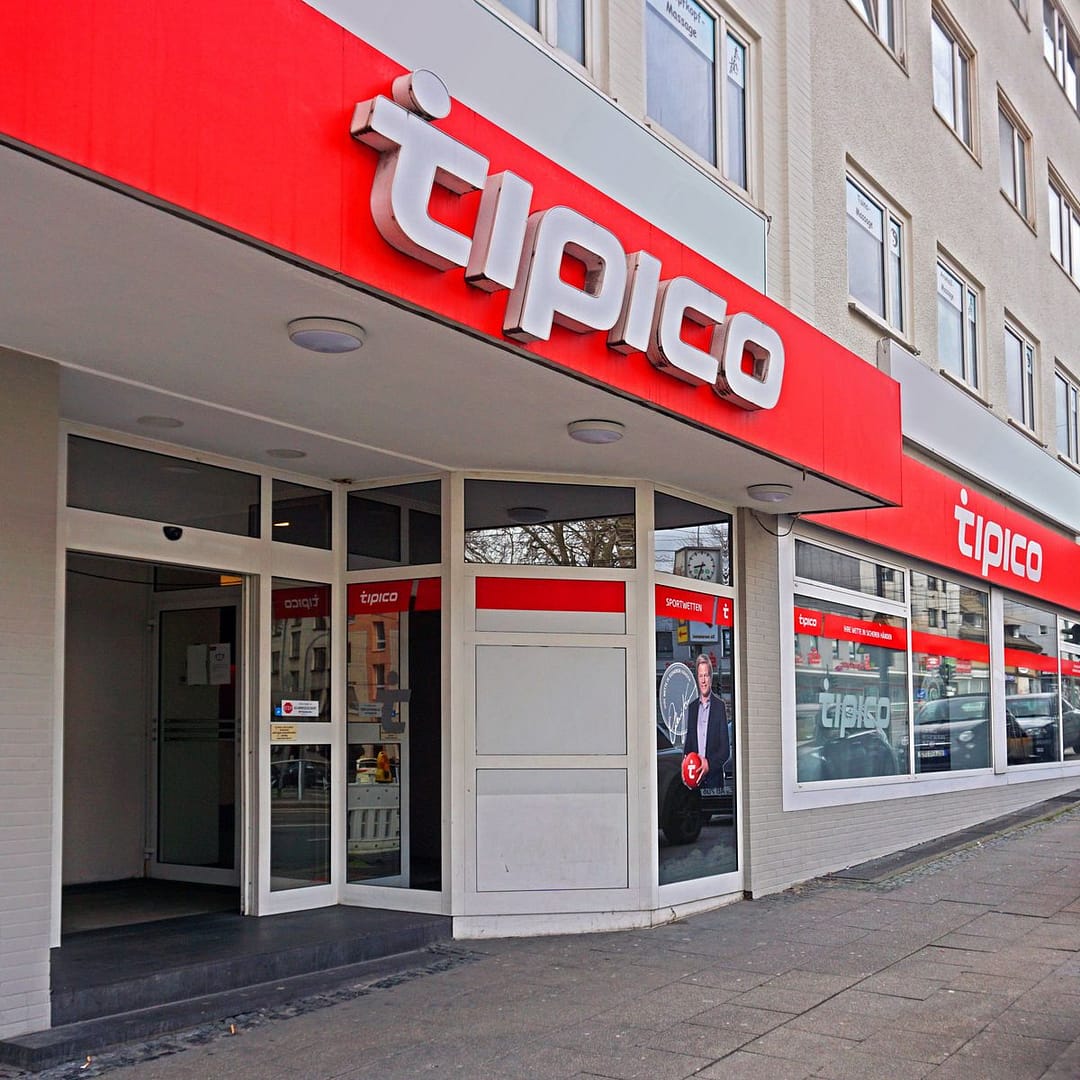
A significant transaction was announced by the French media conglomerate Banijay on a Tuesday, revealing that a majority stake in the betting firm Tipico would be acquired from the private equity group CVC. This strategic move is poised to culminate in the creation of one of Europe’s largest operators in the online gaming sector. The intention to expand the business beyond its established television production roots through targeted acquisitions has been evident in Banijay’s recent corporate strategy. Following the announcement, the company’s shares, whose shareholders include the Arnault family and Vivendi, were observed to have risen by 7.6% by midday trading.
The deal assigned a substantial value of 4.6 billion euros to Tipico, which is equivalent to approximately $5.4 billion. The key structural element of the transaction involves the merger of Tipico with Banijay-owned Betclic, which will then be consolidated under a newly established entity to be named Banijay Gaming. This merged operation is projected to become the largest sports betting company by revenue in continental Europe, surpassing rivals such as Italy’s Lottomatica. The creation of this new entity demonstrates a clear ambition to dominate the European online gaming market.
Banijay, whose business activities extend well beyond betting to include the production of major television shows like “Big Brother” and the sci-fi series “Black Mirror”, plans to initially hold a 65% stake in the newly formed company. Furthermore, the firm aims to increase this ownership stake to 72% through the execution of call options. It was reported that CVC will retain a minority stake in the merged entity. The private equity company, which is listed in Amsterdam, had originally acquired its majority stake in Tipico in 2016. At that time, the business was reported to have been valued at 1.4 billion euros, according to sources close to the matter.
The sale of this long-held asset by the private equity group was viewed as a strong indication that dealmaking activity in Europe is once again gaining momentum after a quiet period. Buyout firms have been facing increasing pressure to divest long-term holdings and return capital to their investors. The managing partner of CVC, Daniel Pindur, conveyed that confidence had existed from the outset that a strategic buyer for Tipico would eventually emerge. It was further stated that the existing Banijay-owned entity, Betclic, was considered by far the preferred partner for the transaction.
The precise financial outlay for the majority stake in Tipico was estimated to be around 3 billion euros. This amount is to be funded through a combination of cash and shares, and the transaction is structured to include the repayment of Tipico’s existing debt obligations. The Chief Executive Officer of Banijay, Francois Riahi, expressed confidence that the company would successfully secure the necessary regulatory approval for the deal. The transaction is currently expected to close in mid-2026.
A key factor supporting this confidence in regulatory clearance was articulated by the CEO. It was noted that no significant overlap exists between the two major operations. To further mitigate any potential anti-trust concerns, it was stated that Banijay will divest its existing stake in Bet-at-home, which operates as a publicly listed German company. Tipico, which maintains its market leadership position in Germany, conducts its operations from Malta, a recognized European center for sports betting and online gaming. It was confirmed that no plans are currently in place to alter this operational setup.
From a financial perspective, Banijay expects the acquisition to yield 100 million euros in annual cost benefits within three years following the close of the deal. While the group had previously been reported to be in early-stage discussions regarding the acquisition of British broadcaster ITV’s studio business, the CEO indicated that the company’s focus would be entirely on the Tipico deal in the immediate months ahead. However, it was simultaneously noted that the group would not lose sight of its overarching strategy in the entertainment industry, stating that consolidation in that sector “makes a lot of sense.” The company is expected to release an updated financial guidance to reflect the major impact of the transaction in the coming weeks or months.

The Dawn of Stargate in South Asia: Analyzing OpenAI’s Landmark Infrastructure Partnership with Tata Consultancy Services

Structural Inertia and Sectoral Shifts: An Analysis of South Africa’s Gradual Labor Market Recovery in the Final Quarter of 2025

The Resurgence of the American Greenback: Analyzing the Interplay of Robust Labor Dynamics and Shifting Monetary Expectations

Argentina Explores Debt Management Strategies: Potential Debt Swap and IMF Discussions on the Horizon

Apple Introduces “Tap to Pay” Feature for iPhone, Allowing Contactless Payments

Hedge Funds Capitalize on U.S. Regional Banking Stocks Plunge: Insights and Implications
-
 Banking2 years ago
Argentina Explores Debt Management Strategies: Potential Debt Swap and IMF Discussions on the Horizon
-
 Technology3 years ago
Apple Introduces “Tap to Pay” Feature for iPhone, Allowing Contactless Payments
-
 Banking2 years ago
Hedge Funds Capitalize on U.S. Regional Banking Stocks Plunge: Insights and Implications
-

 Technology2 years ago
Aviation Industry Urges Swift Action Against GPS Spoofing Amid Growing Threats
-

 Technology2 years ago
Bitcoin Weakens as Regulatory Concerns and Market Sentiment Impact Cryptocurrency Market
-

 Business2 years ago
Overcoming Financial Hurdles: TotalEnergies’ Quest for Renewable Energy in Africa
-

 Technology3 years ago
FTX denies talks of acquiring Robinhood
-

 Forex1 year ago
Navigating Risks in Bank-Fintech Partnerships: Insights from U.S. Bank Regulator