


Banking
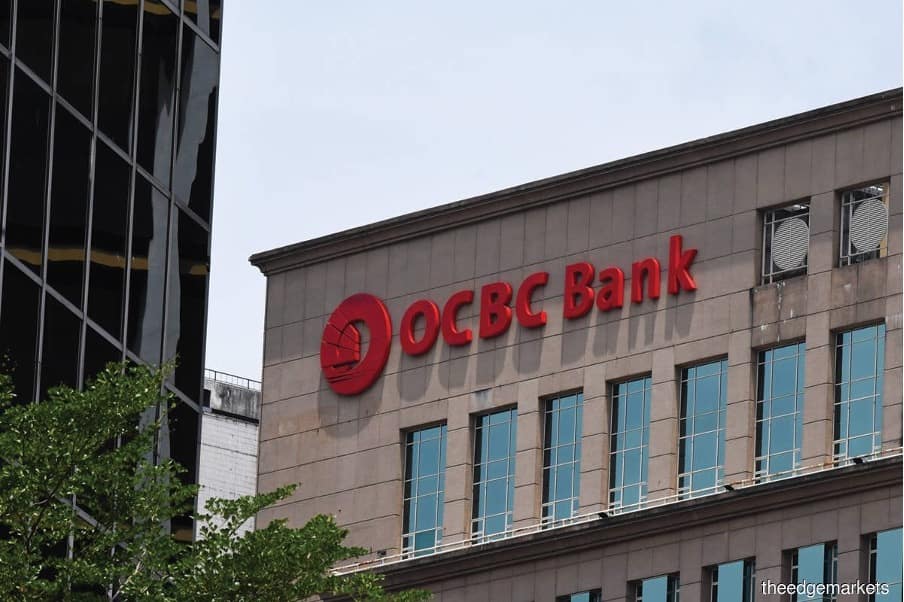
OCBC reports 28% rise in Q2 profit due to rising interest rates and economic recovery
OCBC, Singapore’s second-largest lender, reported a 28% increase in quarterly profit, surpassing market expectations due to a rise in interest rates, which increased its net interest margins. The bank’s net profit was S$1.48 billion ($1.1 billion) for the second quarter of 2021, compared to S$1.16 billion in the same period last year. CEO Helen Wong is positive that the growth in net interest income will compensate for the near-term pressure on non-interest income. The bank’s shares rose by 1.35% in early trading on Wednesday.
Wong added that the bank is expecting positive economic growth in its key markets but at a slower pace, with the operating environment facing heightened headwinds. Despite this, Wong is optimistic about the bank’s future performance, citing an expectation of credit costs being at the low end of its guidance.
OCBC’s net interest margin, increased by 13 basis points to 1.71%, which is a crucial metric for measuring banks’ profitability the highest level in two years, according to Refinitiv data. Meanwhile, JPMorgan analysts predicted that Singapore banks will report a net interest margin expansion of 10 basis points quarter-to-quarter, outperforming their Asian peers.
The bank reported a decline in net fee income by 15%, primarily due to lower wealth management, brokerage, and investment banking fees. However, non-interest income rose due to higher trading income and profits from its life insurance business. OCBC’s robust performance is attributed to the rebound of the Asian financial hub since Singapore relaxed most of its COVID-19 local and travel restrictions earlier this year.
Last week, another Singaporean lender, United Overseas Bank Ltd (UOB), announced an 11% increase in quarterly profit, supported by a strong improvement in net interest income. The bank’s net profit was S$1.05 billion ($785 million) for the second quarter of 2021, up from S$954 million a year earlier.
As Singapore emerges from the pandemic’s impact, banks are expected to continue benefiting from the rebound in economic recovery. Despite the slowing pace of economic growth, Wong remains positive about OCBC’s future performance, citing the bank’s efforts to drive digitalisation and innovation, which she says will enable it to better serve customers and strengthen its competitive edge.
In conclusion, OCBC’s second-quarter performance exceeded market expectations due to the increase in interest rates, leading to an expansion in the bank’s net interest margins. Although non-interest income was under pressure, the bank’s net fee income declined by 15%. Nevertheless, the bank’s CEO, Helen Wong, remains optimistic about its future performance, expecting credit costs to be at the low end of its guidance. With the expected continued growth in economic recovery, Singaporean banks are likely to continue benefiting in the upcoming quarters.









Banking
RBI Actions, Global Cues Set to Shape Rupee and Bond Markets This Week
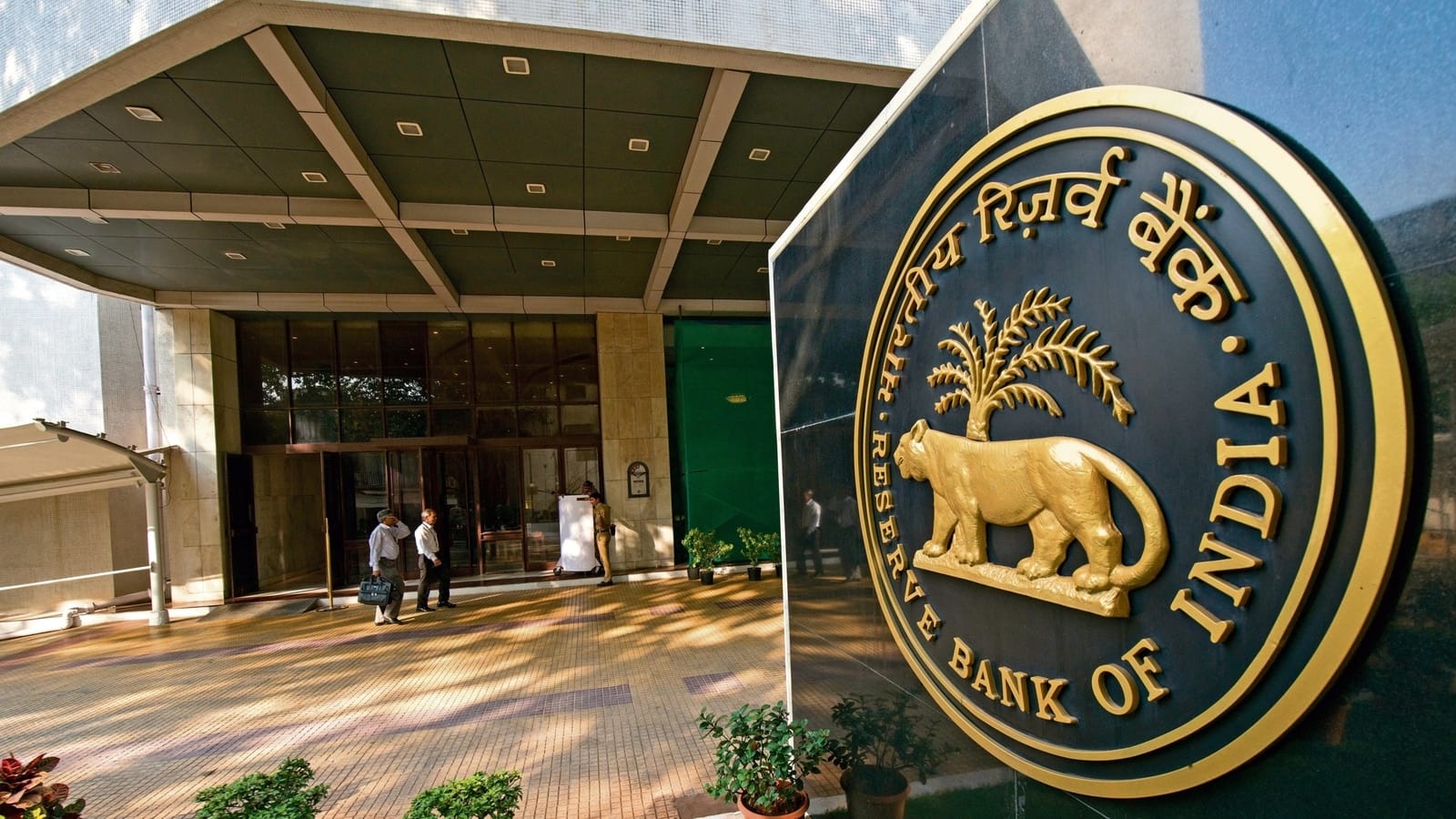
The Indian rupee and government bond markets are expected to remain closely tied to the Reserve Bank of India’s policy actions this week, with the central bank’s foreign exchange intervention and efforts to manage surplus liquidity likely to be key domestic drivers. Global developments, particularly oil prices and expectations for U.S. interest rates, are also expected to influence market sentiment.
The rupee gained 0.9% last week, reaching its strongest level in two months before ending at 94.4850 per dollar. The rise came as the RBI continued selling dollars in the market and traders anticipated that the central bank could use its larger foreign exchange reserves to provide further support to the currency.
Anil Bhansali, head of treasury at Finrex Treasury Advisors, said the RBI has become the most important factor for the rupee. He noted that the central bank had shielded the currency from unfavorable external signals during the previous week, leaving investors focused on whether that support would continue.
The rupee enters the week against a more challenging global backdrop. Expectations of a Federal Reserve rate hike at its September meeting have increased following stronger-than-expected U.S. employment figures. U.S. nonfarm payrolls increased by 162,000 last month, substantially above the 56,000 rise economists surveyed by Reuters had forecast.
Markets will now turn their attention to U.S. inflation figures. The August consumer price report is scheduled for Friday evening, only a few days before the Federal Reserve’s policy meeting. The inflation data could have an important influence on expectations for the Fed’s next policy move, with market bets currently closely balanced.
Oil prices are another major factor for both currencies and bonds. Brent crude jumped 7.8% last week to reach a six-week high. Investors are monitoring developments in tensions between the United States and Iran, particularly any escalation that could affect global oil supplies.
Bond Market Faces Pressure
Indian government bonds are expected to trade with a negative bias this week after benchmark yields increased for a third consecutive week. The 10-year government bond yield finished Friday at 6.9625%, representing a 5-basis-point increase over the week. This followed a rise of approximately 15 basis points during the preceding two weeks.
Market participants expect the benchmark yield to remain within a range of 6.90% to 7.00%. Traders are likely to watch movements in crude oil prices as well as the RBI’s measures to regulate liquidity in the financial system.
Shorter-maturity government bonds have continued to receive support as liquidity in India’s banking system climbed above 10 trillion rupees ($105.84 billion) for the first time. The unusually large surplus has strengthened expectations that the RBI will need to adopt longer-lasting measures to absorb excess cash.
As part of those efforts, the RBI is scheduled to conduct a 30-day variable-rate reverse repo auction worth 7 trillion rupees on Monday. The operation includes an early redemption option, designed to encourage banks to place surplus funds with the central bank while allowing them flexibility to withdraw those funds earlier.
The combination of higher oil prices and rising U.S. Treasury yields has weakened sentiment toward Indian government bonds. However, some international investors continue to view the country’s debt market favorably.
Matthew Kok, fixed-income portfolio manager at Eastspring Investments, said Indian government bonds remain comparatively attractive on both fundamental and valuation considerations. He pointed to stronger growth prospects, an improved currency and greater stability in bond prices, along with the removal of withholding tax, as factors that have increased the attractiveness of Indian debt relative to local-currency bonds in other regional markets.
Several U.S. economic indicators are also scheduled for release during the week. Initial weekly jobless claims for the week ending September 5 are due on Thursday, September 10, along with August producer price and manufacturing-related data. August existing home sales are also scheduled for September 10.
The main focus will come on Friday, September 11, when the August consumer price and core inflation figures are due. A Reuters poll puts inflation at 3.4%. The preliminary September University of Michigan consumer sentiment reading is also expected that day.
Together, these domestic and international developments are likely to determine the direction of the rupee and Indian bond markets as investors assess RBI intervention, liquidity conditions, oil prices and the outlook for U.S. monetary policy.
Banking
Top Banks in Brazil Cut Risk as Household Debt Pressures Rise

Brazil’s largest banks are becoming increasingly cautious about lending as rising household debt raises concerns about the ability of consumers to manage additional borrowing. Despite a resilient labor market and economic growth that has exceeded expectations, major lenders are shifting away from riskier customers and unsecured loans.
The latest earnings reports from Banco do Brasil, Itau, Bradesco and Santander Brasil showed a broadly similar approach. Bank executives said they are placing greater emphasis on borrowers with higher incomes and loans supported by collateral, while reducing exposure to customers considered more vulnerable.
Katherine Hennings, an analyst at BRCG, said the shift reflects the need for banks to apply stricter standards when assessing borrowers. She noted that Brazil could be entering a slower stage of its credit cycle after several years in which increased household borrowing helped sustain economic activity.
Historically, periods of rapid credit expansion followed by rising household indebtedness have contributed to weaker consumer spending. Hennings pointed to Brazil’s experience between 2011 and 2015, when a sharp increase in household debt was followed by a significant slowdown in consumption.
The current situation presents a particular concern because household finances have weakened even while unemployment remains low and incomes have improved. Family debt obligations are close to record levels, standing at about 50% of disposable income.
Several factors have contributed to the increase. Regulatory changes, the expansion of fintech companies and the widespread use of digital payments have made borrowing more accessible to consumers who previously had limited access to financial services. Government measures designed to encourage consumption and credit have also contributed to higher household borrowing.
Some of that additional borrowing has come through expensive unsecured products, including credit cards and personal loans. These are precisely the types of lending that major banks are now becoming more reluctant to offer to lower-income customers.
Banco do Brasil expects the economy to grow by about 1% in 2027, below the median forecast of 1.5% from more than 100 economists surveyed weekly by Brazil’s central bank. The economists expect growth of around 2% this year.
Geovanne Tobias, Banco do Brasil’s vice president for finance, said the bank expects consumer delinquency to improve next year as it continues concentrating growth on payroll loans for public- and private-sector employees.
Itau CEO Milton Maluhy Filho offered a particularly cautious assessment, saying the amount of credit distributed in Brazil has surpassed what household incomes can comfortably absorb. He said the bank’s outlook had weakened at the margin and that Itau was responding by increasing its focus on secured loans while reducing unsecured consumer lending.
Bradesco has adopted a similar strategy. CEO Marcelo Noronha said the bank has become significantly more selective, particularly when dealing with lower-income customers. He added that a larger share of the bank’s lending portfolio is now supported by collateral.
Santander Brasil has also reduced its exposure to borrowers it considers higher risk. The bank is paying particular attention to customers earning less than 4,000 reais ($771.40) per month, equivalent to roughly 2.5 times Brazil’s minimum wage.
Carlos Muniz, Santander Brasil’s chief financial officer, said the bank would not currently compete for customers below that income threshold. For borrowers earning more than 4,000 reais, he said Santander would seek lending opportunities backed by some form of collateral. The strategy affects a substantial portion of Brazilian workers, with about 70% of employed people earning no more than twice the minimum wage.
Banco do Brasil CEO Tarciana Medeiros said the bank aims to increase its number of “high-value clients” by 25% by 2030, making the expansion of that customer base a central strategic objective.
Meanwhile, Nubank, Brazil’s largest digital lender and a company heavily exposed to credit cards and other unsecured loans, reported a rise in loans more than 90 days overdue. The figure reached 6.9% in the second quarter, compared with 6.5% in both the previous quarter and the same period a year earlier.
Nubank nevertheless reported stronger-than-expected profit growth, supported by increased revenue and an improved risk-adjusted net interest margin. Its management maintained that there was no broad deterioration among consumers, although it acknowledged a more cautious economic environment.
The banks’ changing lending strategies indicate that Brazil’s financial sector is preparing for greater pressure on household borrowers as economic growth is expected to slow.
Banking
Westpac Sees 20% Mortgage Application Drop as Australia’s Property Market Feels Tax Changes

Australia’s second-largest lender, Westpac Banking Corp, has reported a sharp weakening in housing demand following changes to federal tax concessions for property investors. Mortgage applications at the bank fell 20%, while Westpac expects investor housing credit growth to slow significantly in the coming years.
The update added to concerns about the outlook for Australia’s major banks, which have benefited from strong property prices and a large mortgage market but are now facing pressure from weaker housing demand, higher interest rates and changing government policies.
Westpac’s shares fell as much as 5.9% after the bank released its third-quarter update on August 10, putting the stock on course for its largest one-day decline since April last year. Shares of rival lenders Commonwealth Bank of Australia, National Australia Bank and ANZ also dropped more than 2%.
Westpac forecast that investor housing credit growth would decline to 4.5% in 2027 from 9.1% in 2026, before edging down further to 4.4% in 2028. The bank also expects total housing credit growth to slow to 4.7% in 2027, compared with 6.8% this year.
A modest recovery in demand from owner-occupied borrowers is expected to lift total credit growth to 5.2% in 2028, according to the bank.
The weaker outlook reflects the combined impact of higher borrowing costs and recent policy changes. Australia’s Labor government has scrapped generous tax concessions for property investors, reducing incentives that had supported investment in the housing market.
The effect is already becoming visible in housing activity. Auction clearance rates have fallen to their lowest level in six years, while average property prices nationwide have declined by about 2% over a four-month period, according to property consultant Cotality.
Westpac said its 20% decline in mortgage applications was twice the drop recorded in the weeks immediately following the government’s announcement of the tax changes. National Australia Bank reported last month that its mortgage applications had fallen 15% over the preceding three months.
Australia’s four largest banks control more than 70% of the country’s mortgage market, making developments in residential property particularly important for their earnings. Home lending remains a central source of profit for the banking sector.
Westpac Chief Executive Officer Anthony Miller said several factors could help cushion the housing market from the effects of tighter financial conditions and government policy changes. He pointed to Australia’s shortage of housing and continued population growth as forces that could partly offset weaker demand.
At the same time, households remain under pressure from elevated living costs. Westpac said business investment and the resilience of its customers continued to support economic activity despite those challenges.
The latest housing figures also come against a broader backdrop of uncertainty for Australian banks. Investors have increasingly questioned whether the sector can maintain its strong performance as property activity slows and the prospect of further interest-rate increases diminishes.
Jarden analyst Matthew Wilson said major Australian banks appeared expensive and were confronting a difficult earnings environment, with potential declines in both lending volumes and margins as well as longer-term concerns over credit quality.
Westpac has also underperformed its major banking peers this year. Citi analyst Thomas Strong said investors were anticipating a slight decline in the bank’s net interest margin, an important measure of banking profitability, next year.
Despite the weaker housing outlook, Westpac’s financial results showed some resilience. Cash earnings for the quarter ended June 30 stood at A$1.8 billion, down from A$1.9 billion in the same quarter a year earlier.
The bank said its core net interest margin remained broadly stable during the quarter. Both its lending and deposit books expanded by 2%, reflecting growth across its Australian operations.
Westpac’s common equity tier 1 capital ratio was 12.1%, leaving the bank comfortably above regulatory requirements and giving it flexibility on its balance sheet.
The latest figures underline the growing pressure on Australia’s housing market and the banking sector’s dependence on property lending. While housing shortages and population growth may provide some support, Westpac’s weaker mortgage applications and lower forecasts for investor credit growth point to a more challenging period ahead.

RBI Actions, Global Cues Set to Shape Rupee and Bond Markets This Week

Reform UK Gets 75% of Quarterly Donations From Trump-Pardoned Crypto Entrepreneur

Amazon Drone Delivery Expansion Is Planned Across About 500 US Locales

Argentina Explores Debt Management Strategies: Potential Debt Swap and IMF Discussions on the Horizon

Apple Introduces “Tap to Pay” Feature for iPhone, Allowing Contactless Payments

Hedge Funds Capitalize on U.S. Regional Banking Stocks Plunge: Insights and Implications
-
 Banking3 years ago
Argentina Explores Debt Management Strategies: Potential Debt Swap and IMF Discussions on the Horizon
-
 Technology3 years ago
Apple Introduces “Tap to Pay” Feature for iPhone, Allowing Contactless Payments
-
 Banking2 years ago
Hedge Funds Capitalize on U.S. Regional Banking Stocks Plunge: Insights and Implications
-

 Technology2 years ago
Aviation Industry Urges Swift Action Against GPS Spoofing Amid Growing Threats
-

 Technology3 years ago
FTX denies talks of acquiring Robinhood
-

 Technology3 years ago
Bitcoin Weakens as Regulatory Concerns and Market Sentiment Impact Cryptocurrency Market
-

 Business2 years ago
Overcoming Financial Hurdles: TotalEnergies’ Quest for Renewable Energy in Africa
-

 Forex2 years ago
Navigating Risks in Bank-Fintech Partnerships: Insights from U.S. Bank Regulator